


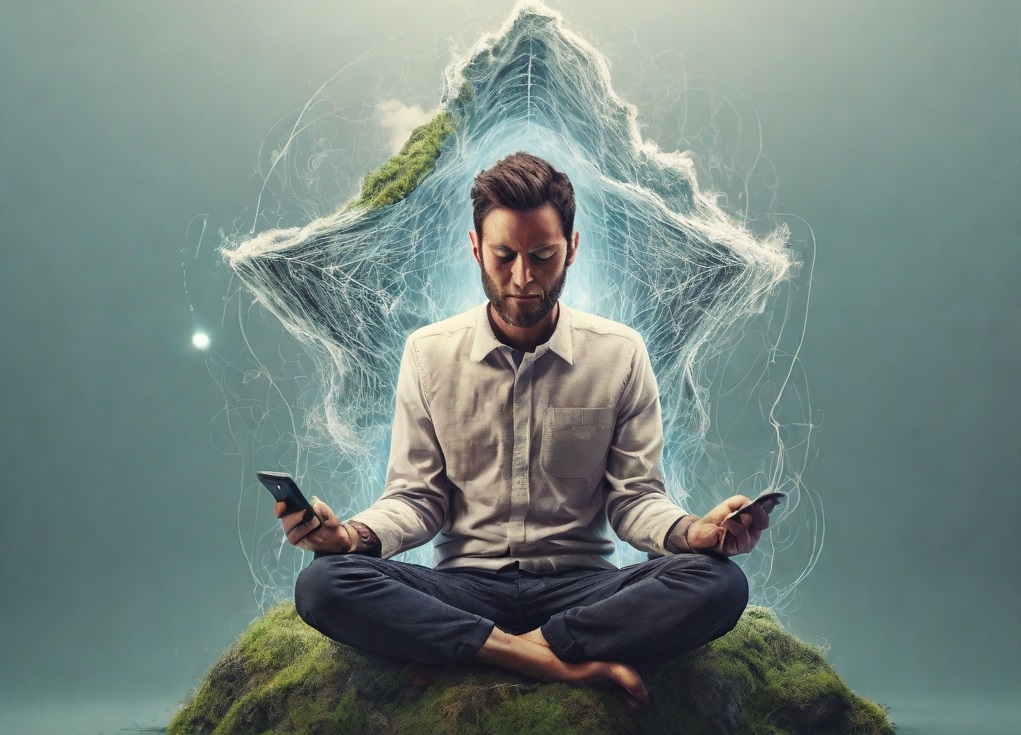
In our fast-paced, digitally driven world, the need for a mental reset has never been more critical. The constant influx of information, notifications, and screen time can take a toll on our mental well-being. Enter the transformative power of meditation – a proven tool for mental wellbeing.
The Impact of Digital Overload & need for Digital Detox
The relentless exposure to screens has been linked to various mental health issues. Research suggests that excessive screen time can disrupt sleep patterns, contribute to anxiety, and even lead to symptoms akin to addiction. Acknowledging these issues is the first step toward understanding the importance of a digital detox. In the age of smartphones and perpetual connectivity, the concept of digital detox has emerged as a beacon of respite.
But what exactly is digital detox? It’s a conscious decision to disconnect from digital devices and the online world periodically. This deliberate break allows individuals to recalibrate their minds, reduce stress, and regain control over their lives. Taking a break from the digital realm brings a myriad of benefits. Improved sleep, reduced anxiety, and enhanced focus are among the positive outcomes. The time reclaimed from digital distractions can be redirected towards meaningful activities, fostering a healthier work-life balance.
Meditation – A Time-Tested Practice for Emotional Well-Being
At the intersection of digital detox and mental well-being stands meditation. This ancient practice has transcended centuries, proving to be a timeless tool for achieving mental clarity and tranquillity. Meditation is not just about sitting cross-legged and chanting “om”. It encompasses various techniques, each offering unique benefits.
There are several types of meditation techniques one can explore. Mindfulness meditation encourages being present in the moment, observing thoughts without judgment. Transcendental meditation involves silently repeating a mantra, promoting a state of restful awareness. Guided meditation uses visualization and verbal cues to lead individuals into a state of relaxation. These diverse techniques cater to different preferences, making meditation accessible to all.
One of the remarkable benefits of meditation is its profound impact on stress levels. Scientific studies have shown that regular meditation can lower cortisol levels, the hormone associated with stress. By fostering a calm and centered state of mind, meditation serves as a powerful antidote to the pressures of modern life. Meditation isn’t just about calming the mind; it’s also about sharpening focus and enhancing emotional well-being. Studies suggest that meditation can positively affect cognitive function, leading to improved concentration and mental clarity. Emotionally, it cultivates a sense of inner peace and resilience, enabling individuals to navigate life’s challenges with equanimity.
Integrating Digital Detox and Meditation into Daily Life
The synergy between digital detox and meditation becomes apparent when these practices are seamlessly integrated into daily routines. Start by designating specific times for meditation, gradually extending the periods as the practice becomes ingrained. Simultaneously, establish tech-free zones or periods during the day to facilitate a more conscious and intentional use of digital devices. Committing to a routine of digital detox and meditation yields enduring benefits. Over time, individuals often report sustained improvements in sleep quality, reduced stress levels, and a heightened sense of well-being. It’s a journey toward a more balanced and harmonious relationship with technology and one’s own mind.
Embarking on the path of digital detox and meditation is more rewarding when done in the company of others. Encourage friends, family, or colleagues to join in. Share experiences, insights, and tips. The collective support of a community can reinforce the commitment to these practices and amplify their positive effects.
Conclusion
Meditation serves as a guiding light on the journey toward digital detox and mental well-being. By embracing the ancient wisdom of meditation, individuals can reclaim their mental space, foster resilience in the face of digital demands, and ultimately cultivate a harmonious and balanced life in the digital age.

Santosh believes in finding joy of life in the little things. A curious learner, attempting to write interesting stories, anecdotes and wisdom bytes. Hope you love some of his stories. As a profession, he works in the nonprofits and CSRs sector, planning and executing socio-economic development programs for clients like foundations and governments. he is based in Mumbai.


