Day 10: Tso Moriri / Karzok – Read More
Day 11 (Part 1): Tso Kar – Leh Sector
Karzok – Pologongka La – Tso Kar – Taglang La – Gya – Karu – Thiksey – Shey – Leh: 150 km. / 4 hr.
Changpas
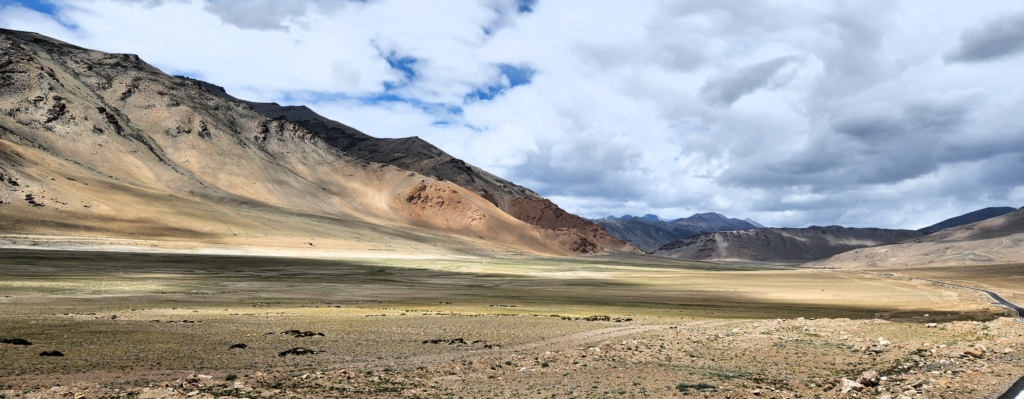
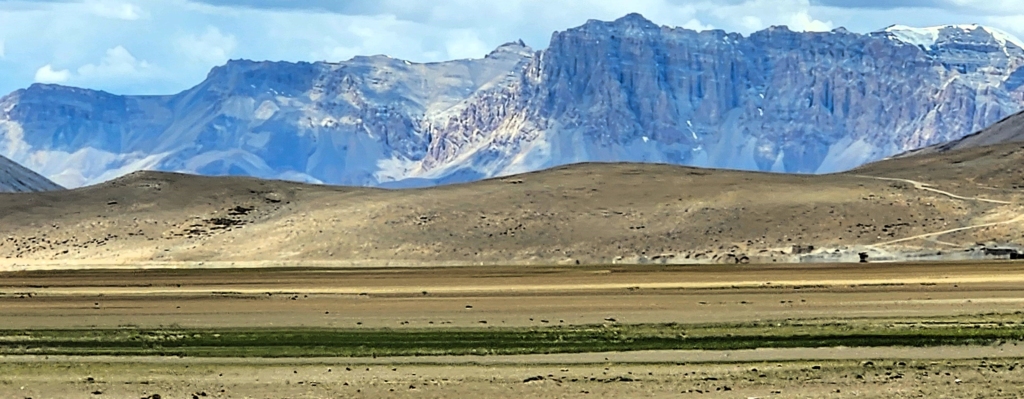
For four days, we’d been weaving through the rugged expanses of the Changthang Plateau, spanning far and wide from Pangong’s sapphire blues to the quiet shores of Tso Moriri / Tso Kar. Changthang itself is just a small piece of the vast Tibetan Plateau, yet it feels endless and untouched. I had begun to appreciate why this isolated land holds such allure.
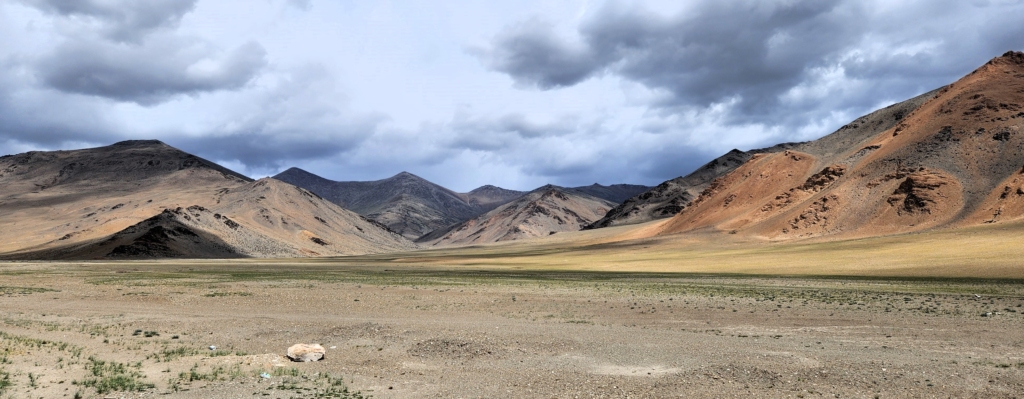
The Changthang Plateau is home to the semi-nomadic Changpa tribe. In their local language, “Changthang” translates to “a place where very few people live” – a fitting name for this remote land. These resilient tribal people are the guardians of the lakes – Tso Kar and Startsapuk Tso, and the land surrounding them. I reminded myself of Yul Tsa, Gapto!!!
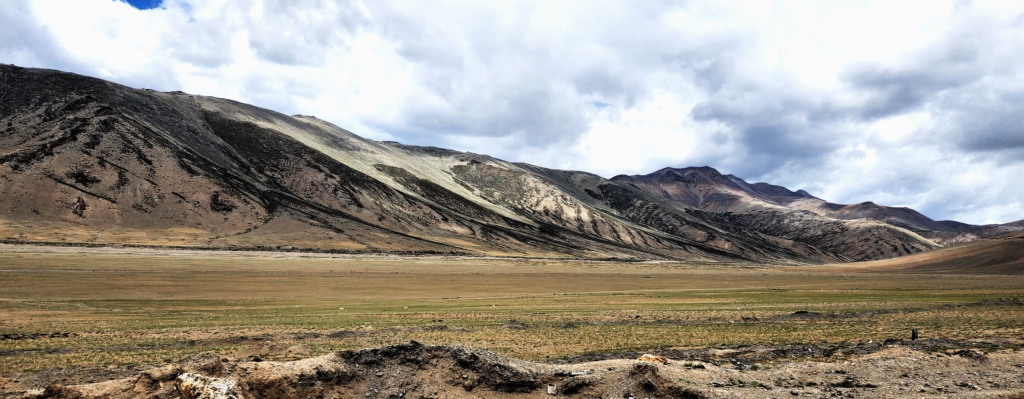
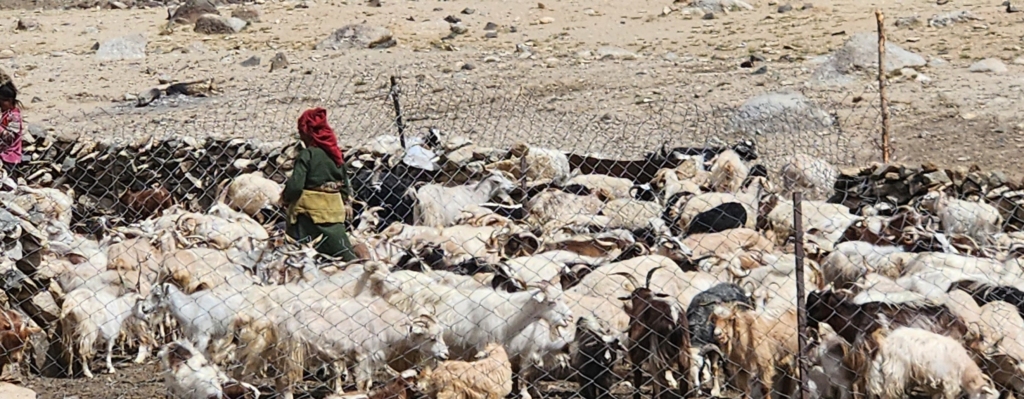
As we climbed the twisting roads over Pologongka La (elevated at 16,400 ft.), we passed several clusters of Changpa settlements. Watching the herders gather their flocks of sheep and goats, I felt a deep respect for their migratory way of life – a harmony with the harsh rhythms of nature that could only come from centuries of understanding.
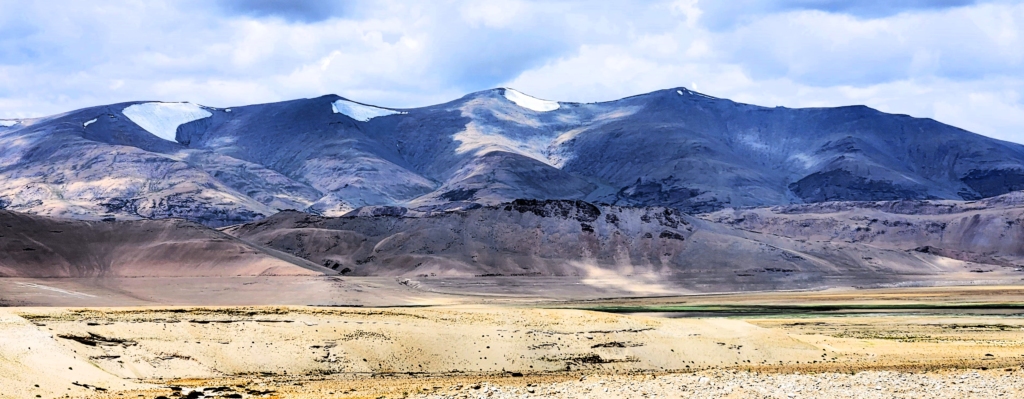
Intrigued, we stopped at one settlement near the pass. Although our language barrier allowed little more than shared smiles and an exchange of a few goodies, the simple encounter left a warmth that needed no words. Later I learnt that the Changpas speak a dialect quite distinct from Ladakhi not that I could understand Ladakhi either. Their lives remain as geographically isolated as the high plateaus they roam.
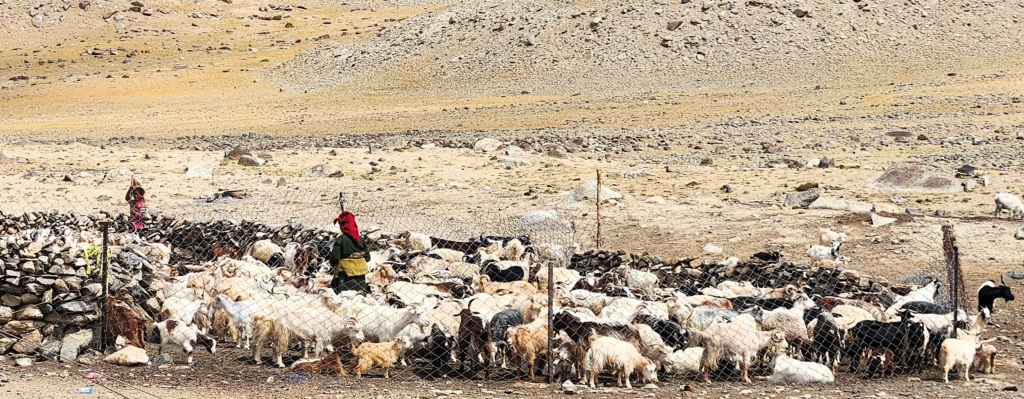
Later, after descending the pass, we met Kia – a herder who had embraced a modern Ladakhi life and could share his people’s story in Hindi. Kia, himself has re-settled himself in Leh where he trades in Pashmina shawls, told us about the Changpas’ heritage. Originally hailing from Hor near Lake Manasarovar in Western Tibet, the tribe trace their lineage to none other than Genghis Khan. Over time, driven by political turmoil and a search for peace, they settled in the remoteness of Ladakh. Kia shared that, while Buddhism has gently woven its way into Changpa life, traditional beliefs still guide much of their daily rituals and identity.
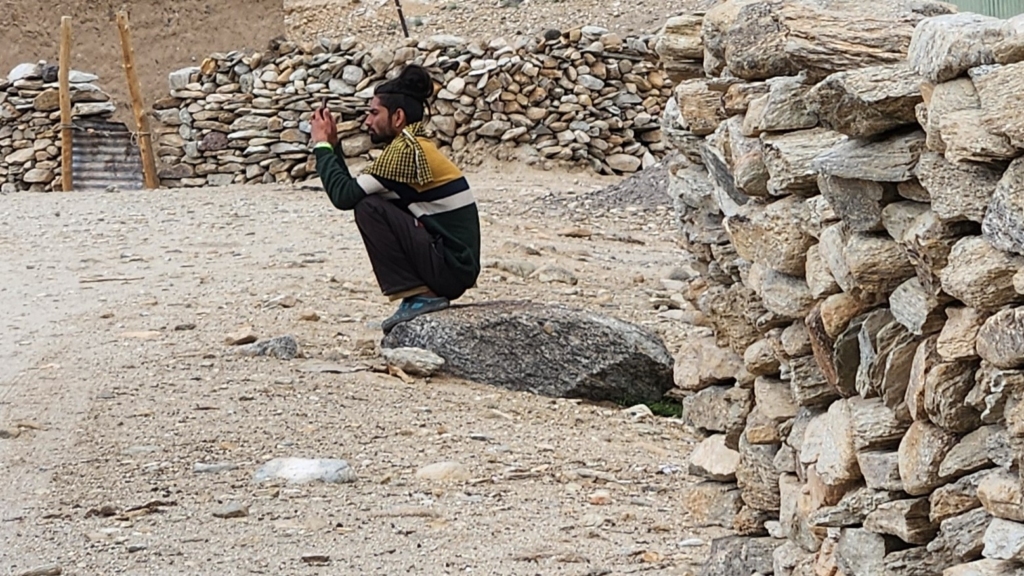
He explained that the Changpa tribe we’d seen earlier near Pologongka La were known as Phalpa. They live nomadic lives in cone-shaped tents called Rebo, woven from yak hair. A stove with a chimney sits at the center of each Rebo.
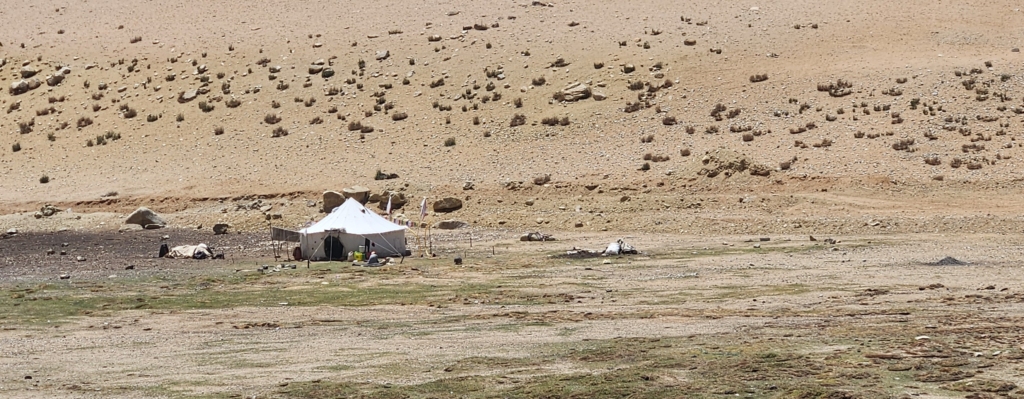
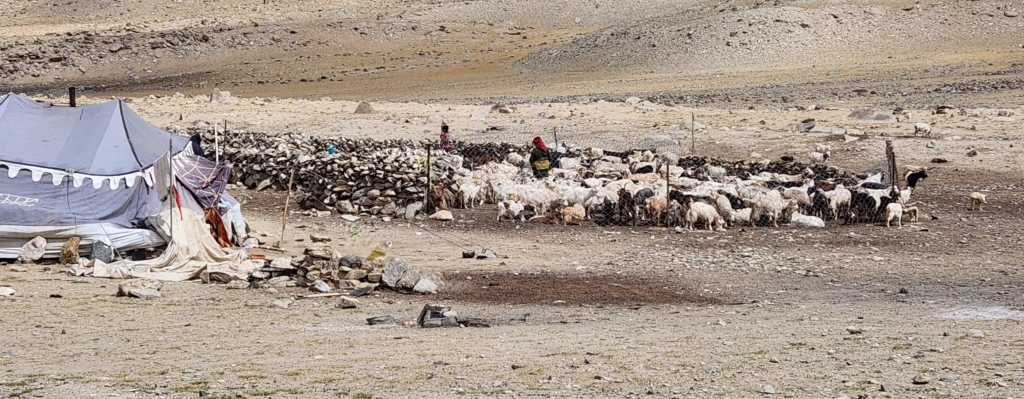
Over the years, he added, some Changpas have chosen to settle in villages, and these settled families are called Fangpa. I jokingly asked Kia if he was Phalpa or Fangpa. Laughing, he replied, “Neither – my family just calls me firangi” – a playfull label for his modern adaptation.
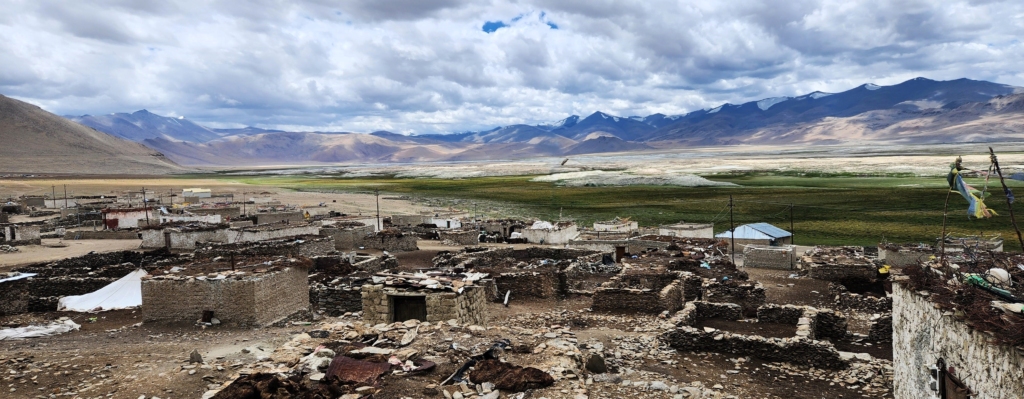
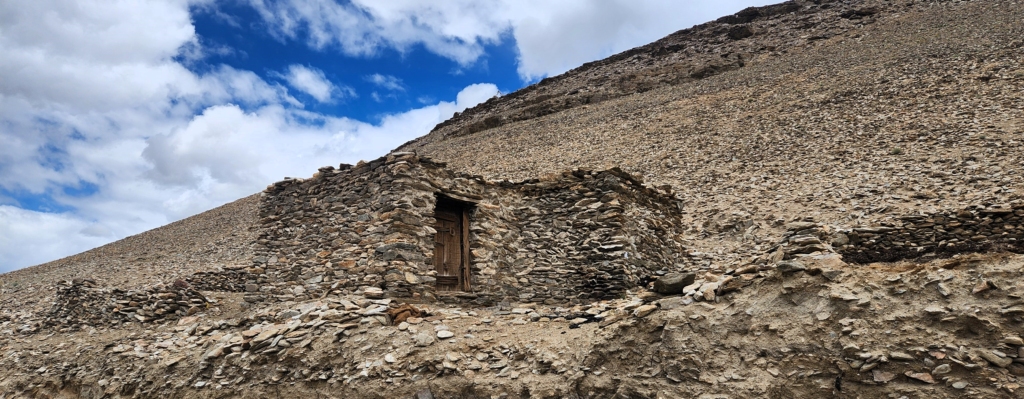
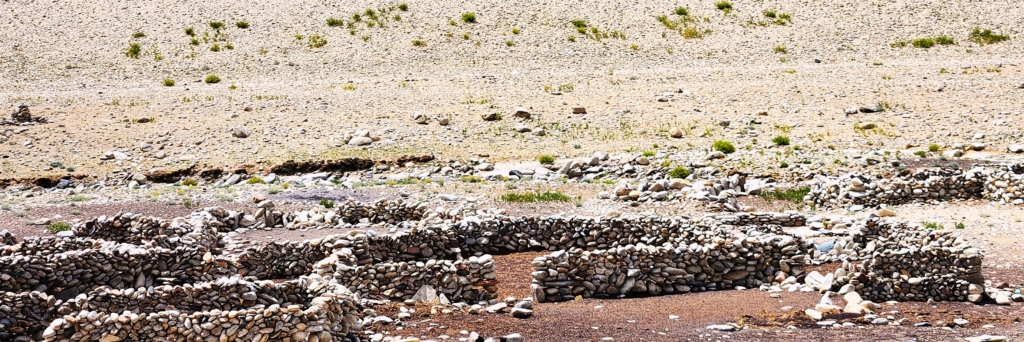
As Kia told us about the traditional practices, he pointed to the abandoned stone-walled structures, or Lekha, scattered across Rushpo Valley. These were once shelters for livestock, a testament to the Changpas’ enduring connection to their land. Kia shared that the Changpas are the primary producers of Pashmina wool. They spin and weave the fiber locally to create Pashmina shawls. The Kashmiris purchase the unprocessed fibers and refine it into the fine cashmere fabrics.
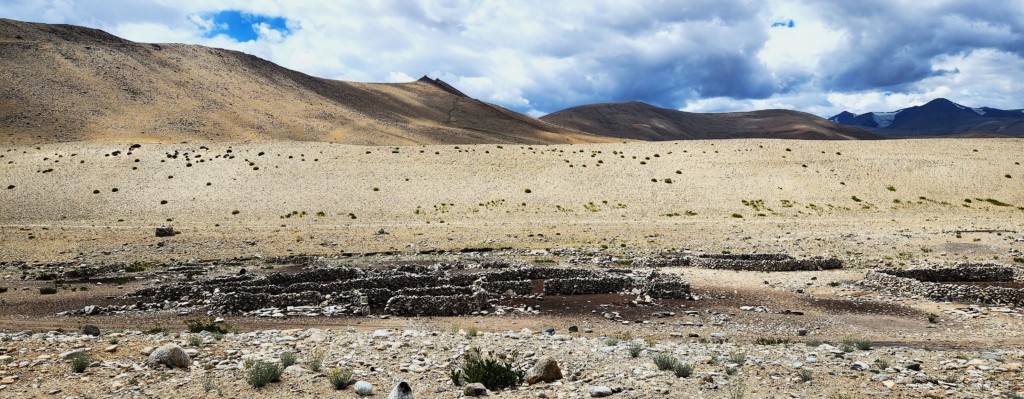
I thanked Kia as we shared a warm farewell, trading his stories for a beautiful handwoven Pashmina shawl. As we set off toward Tso Kar, I took a final glance back at the raw beauty of Rushpo Valley, Changthang Plateau, and all the vibrant life within it. My journey across Ladakh had offered a rare glimpse into a world where natural beauty, cultural richness, and a deep-seated history converged – a journey I’d remember long after the dust of these roads had settled.
Tso Kar
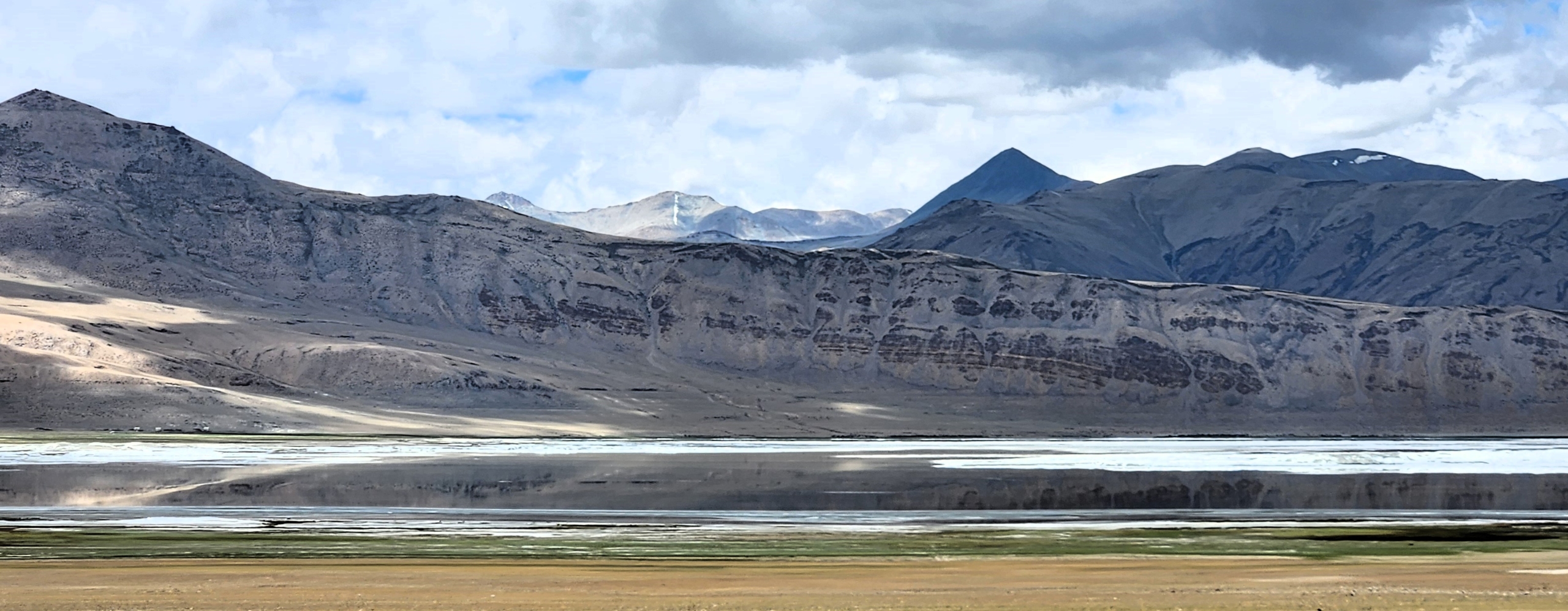
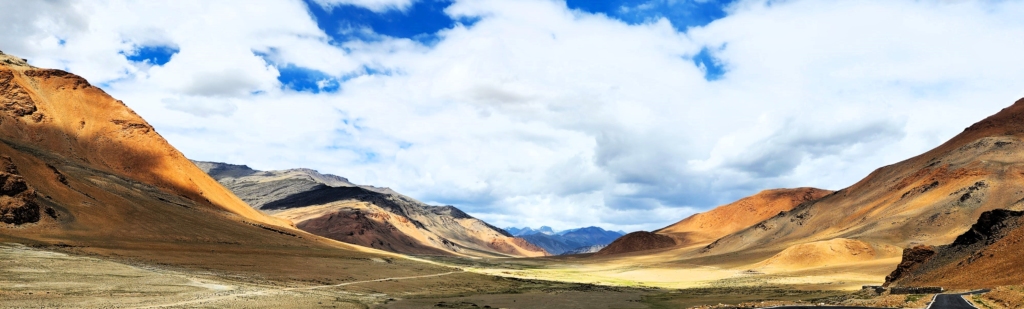
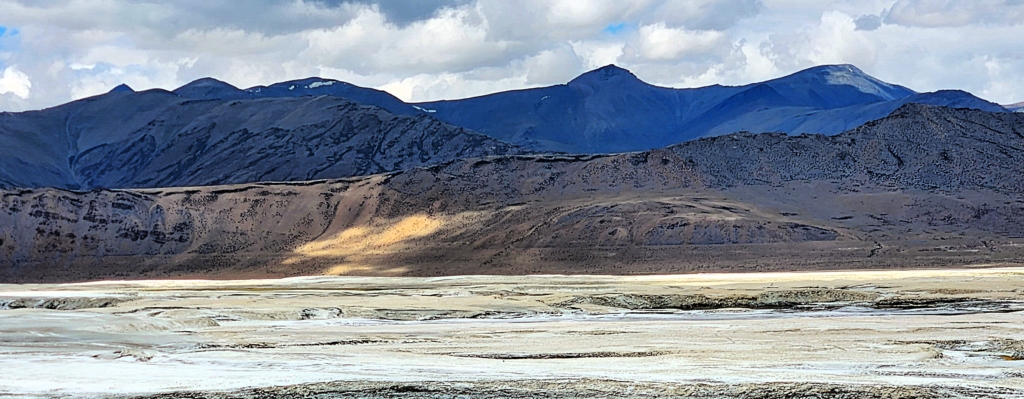
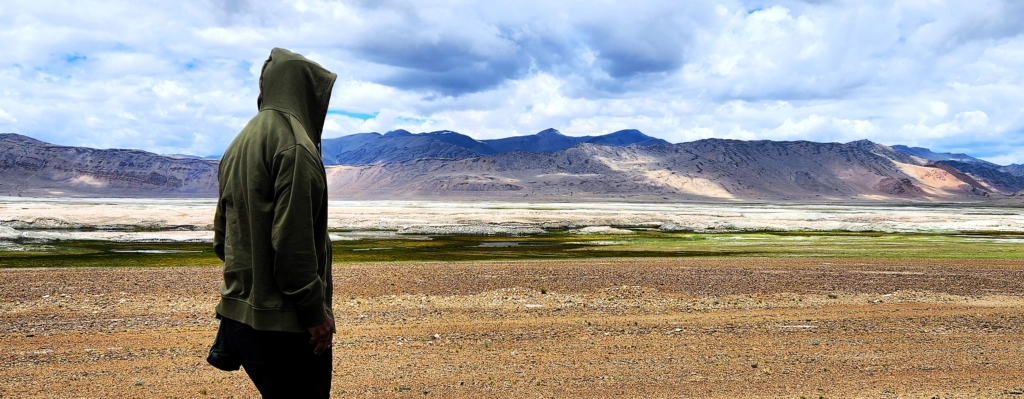
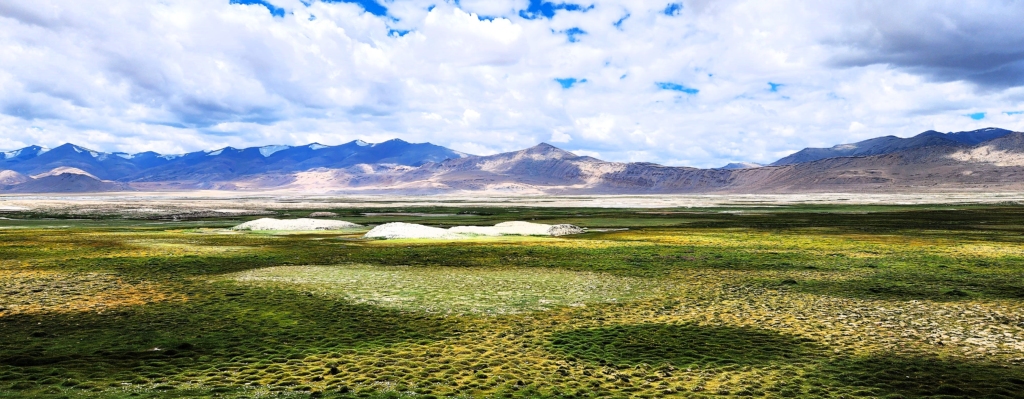
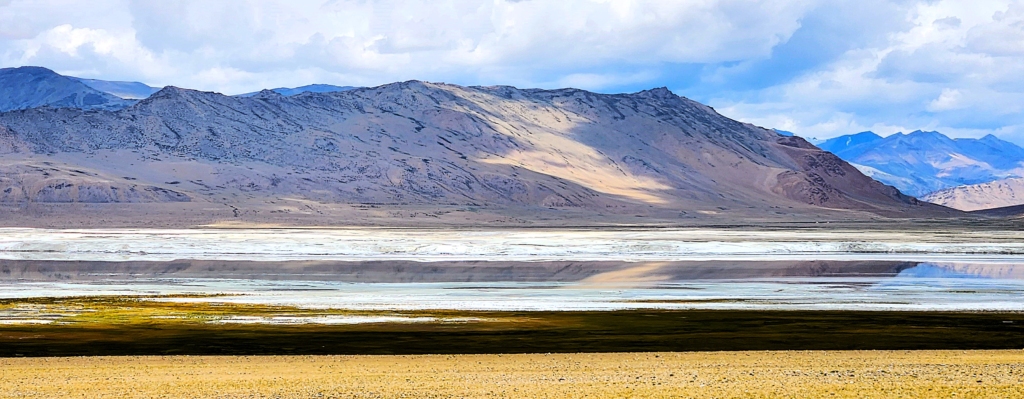
As we descended from Pologongka La, we reached the serene lake region at an elevation of about 14,850 ft., home to the twin water bodies of Tso Kar and Startsapuk Tso. Startsapuk Tso, the smaller of the two, seems almost a fragment of Tso Kar, perhaps split by the gradual drop in water levels.
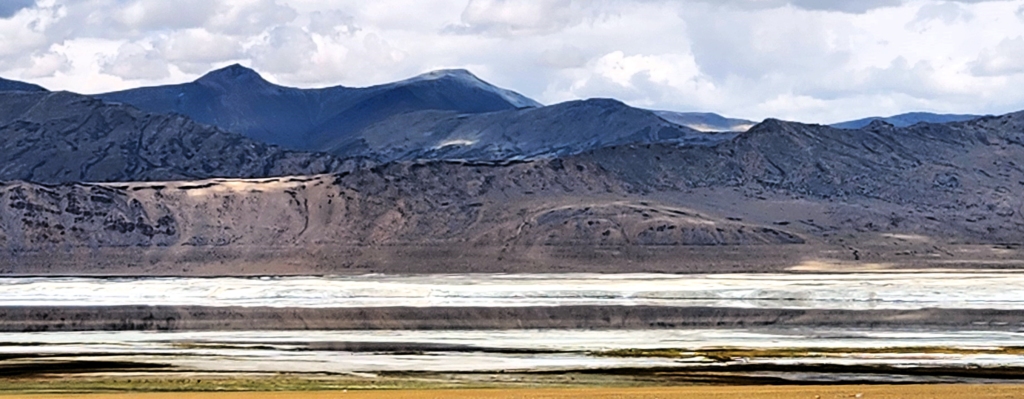
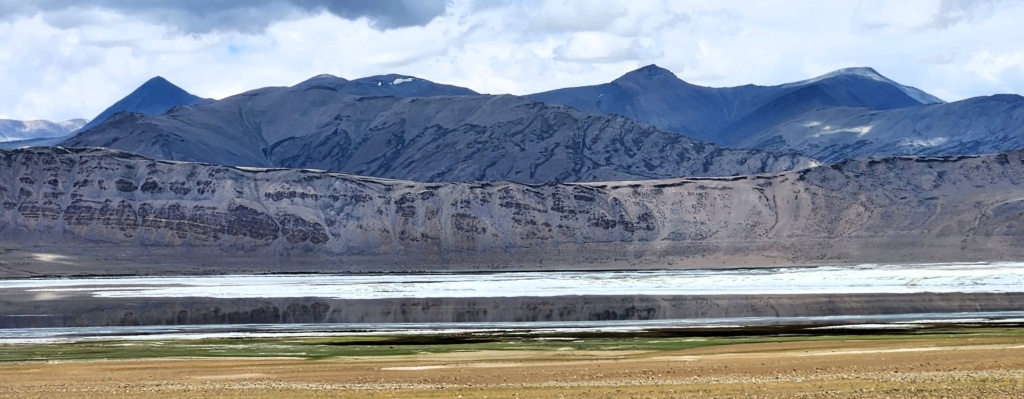
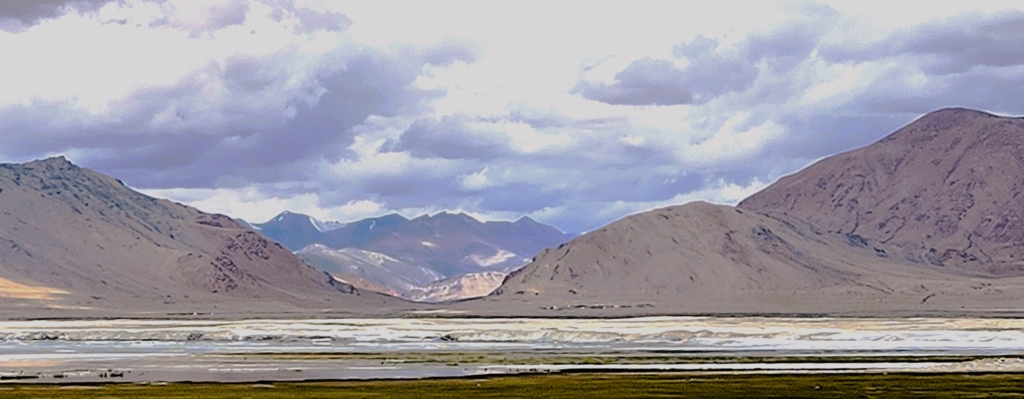
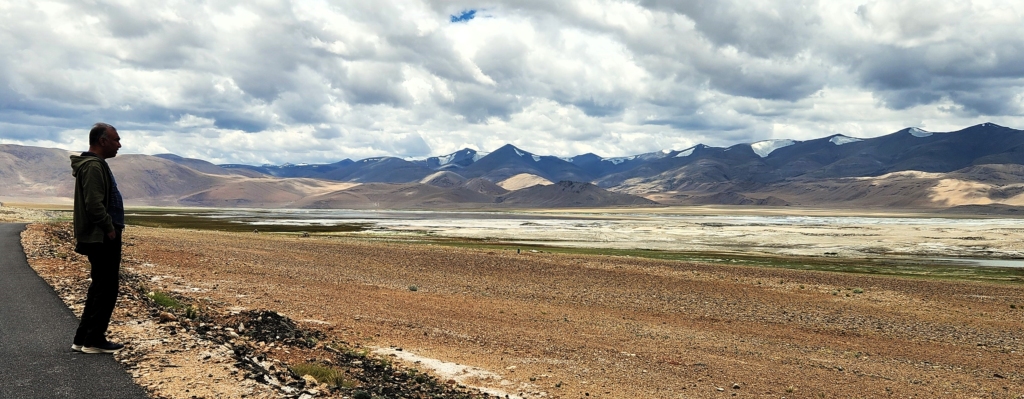
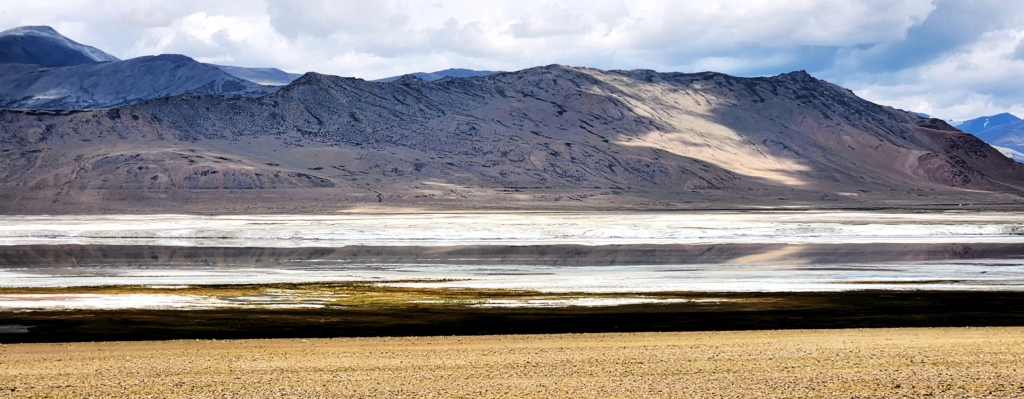
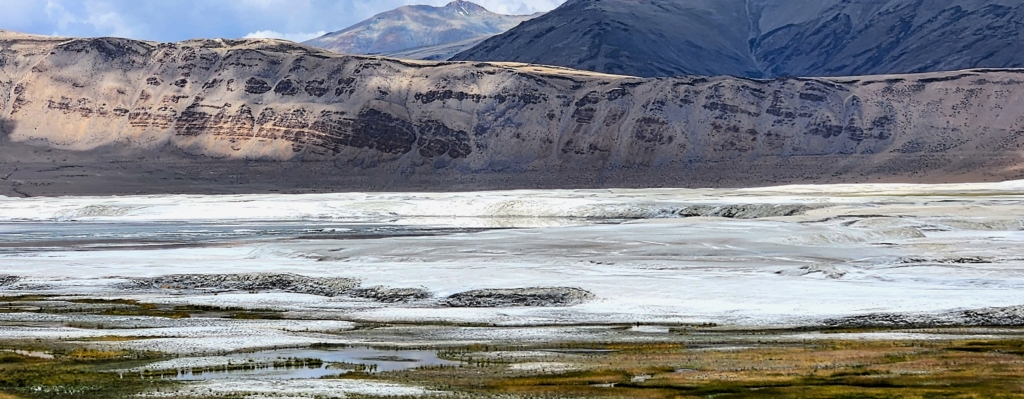
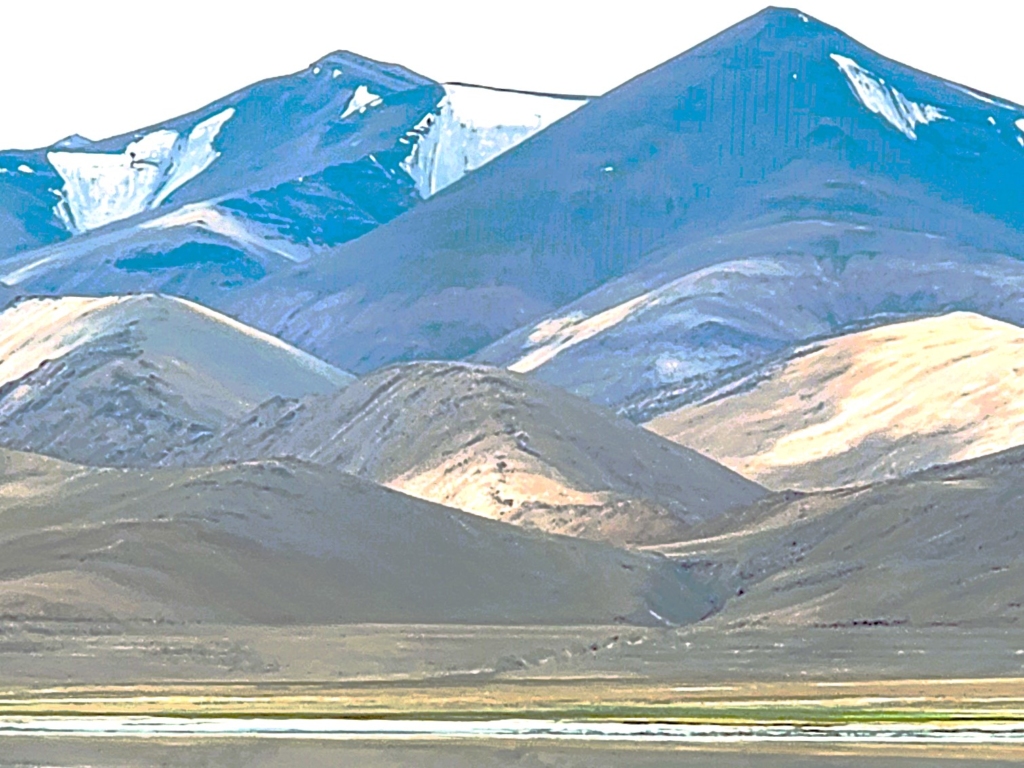
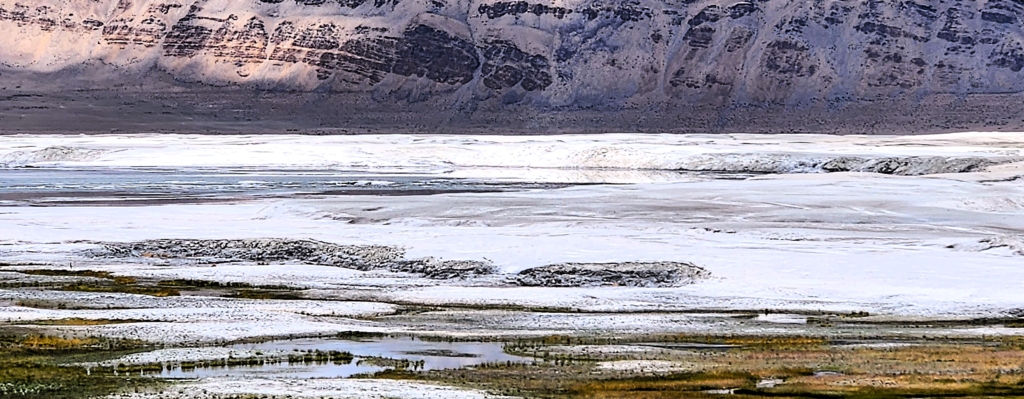
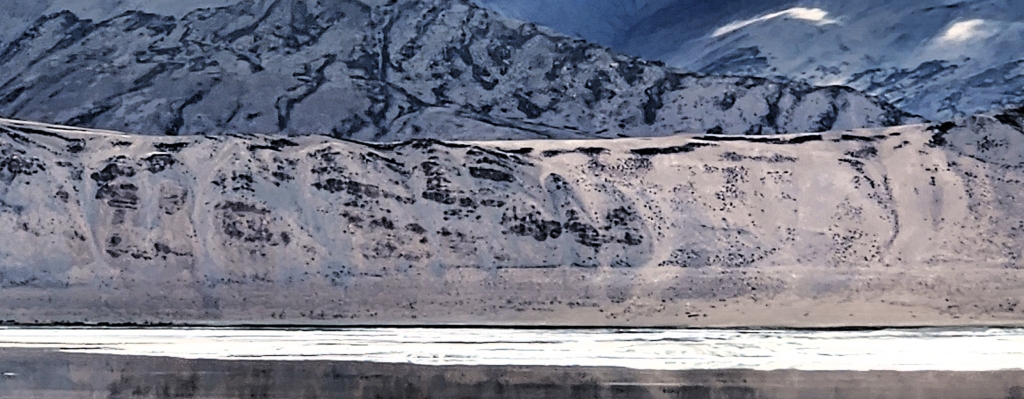
In Ladakhi, Tso Kar means “white lake” – a name that springs from the striking white salt crust surrounding its shores. In days past, before borders divided the land, Changpa nomads would harvest salt here, carrying it to Tibet in trade. Today, both lakes are slowly receding, their shores pulling away from the road as green meadows emerge around them. From afar, we took in the quiet beauty of the two lakes.
Taglang La
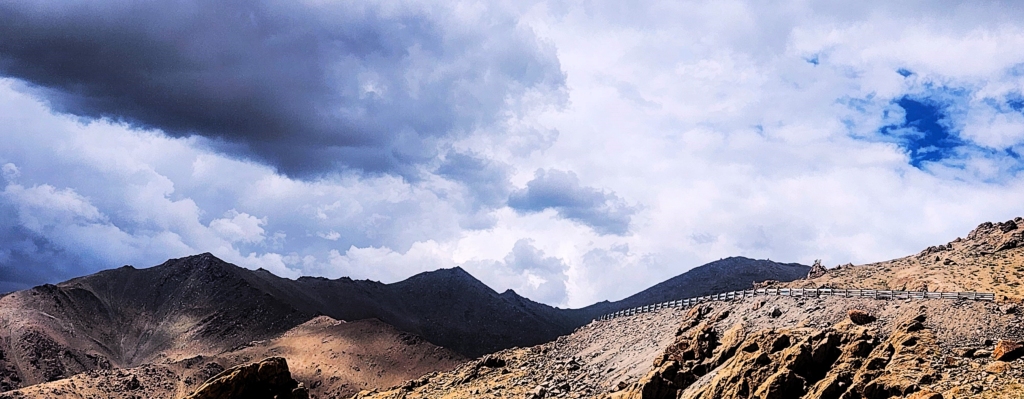
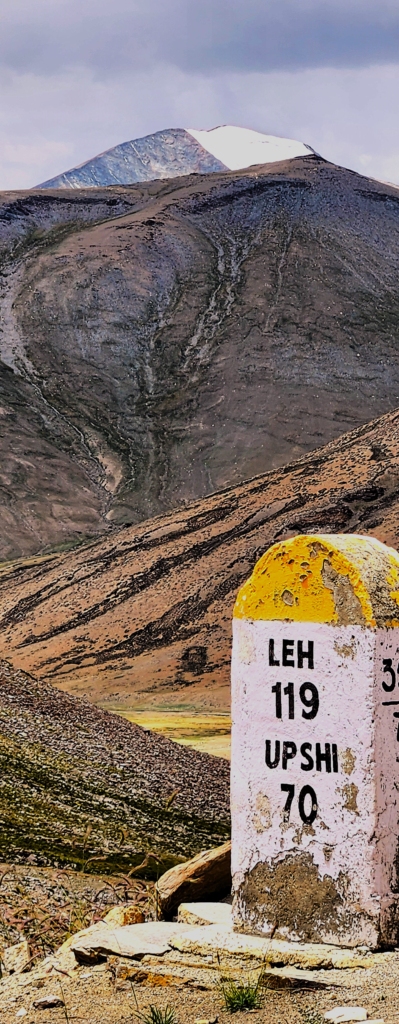
A short drive onward brought us to the Leh-Manali Highway at the Pang-Debring intersection, the trunk route connecting Ladakh and Himachal Pradesh. Heavy traffic has worn the road down, making the route through mountainous terrain a rugged one.
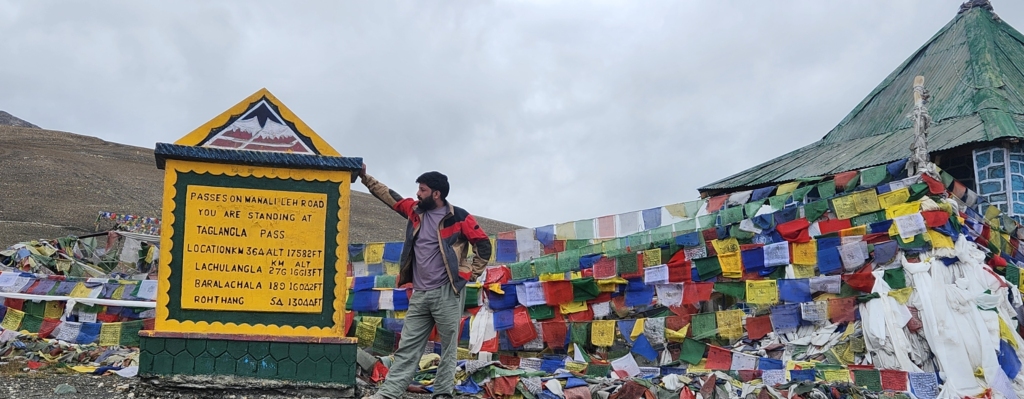
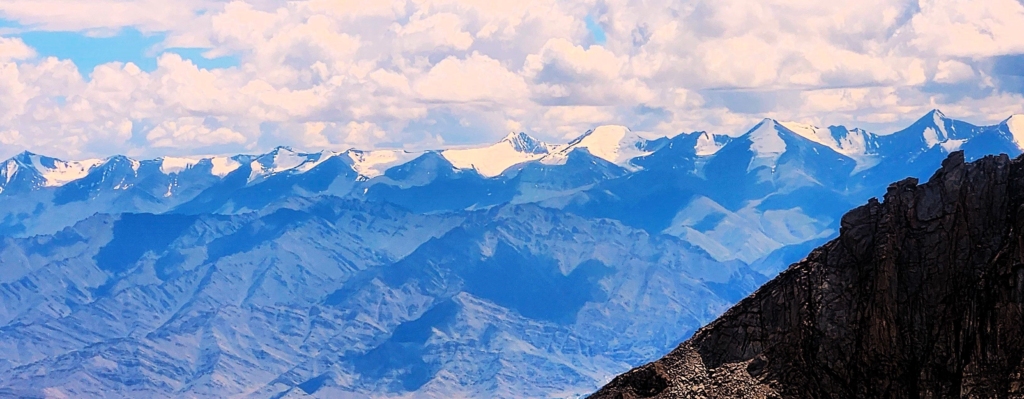
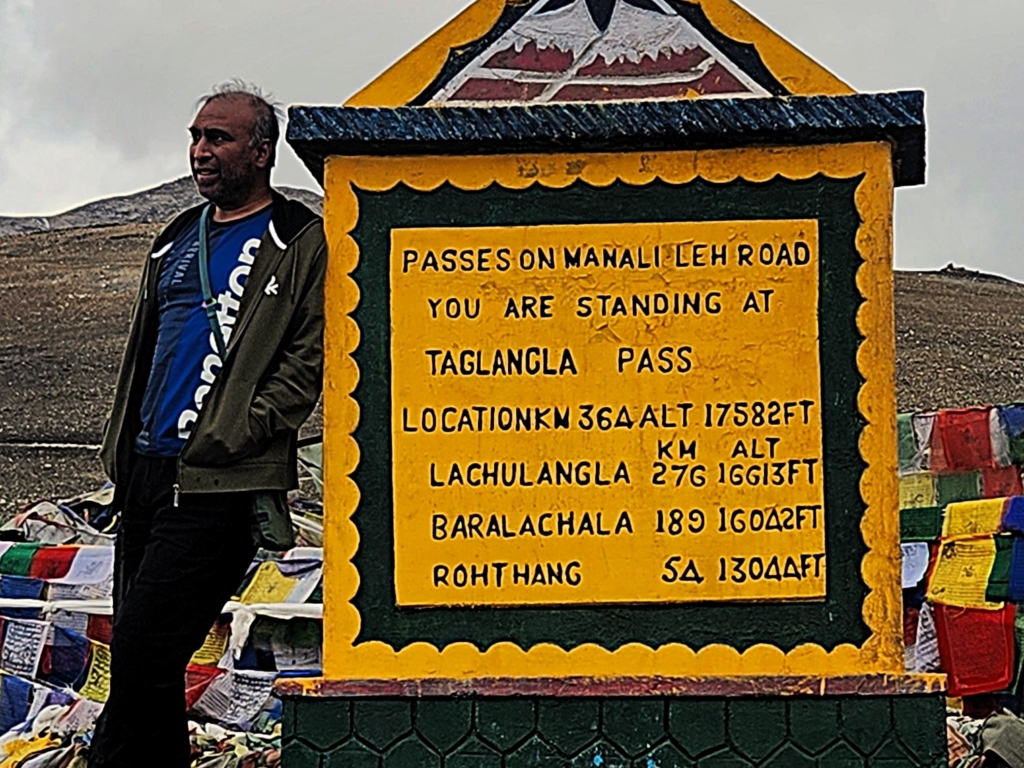
We stopped at Taglang La – towering at around 17,582 ft. – for a quick tea break and to take in the vast beauty around us. By now, I’d lost track of the many Las and Tsos we’d crossed, yet each had offered a unique charm, each leaving a lasting mark, regardless of its height or size.
Gya – Miru – Upshi
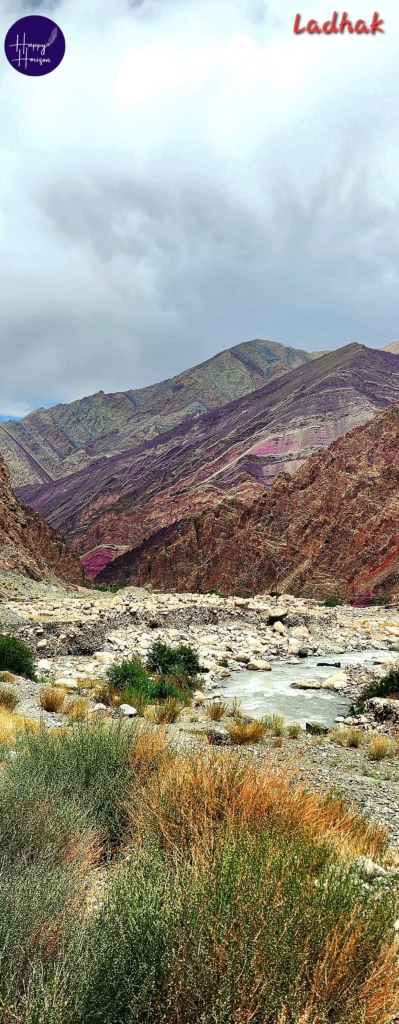
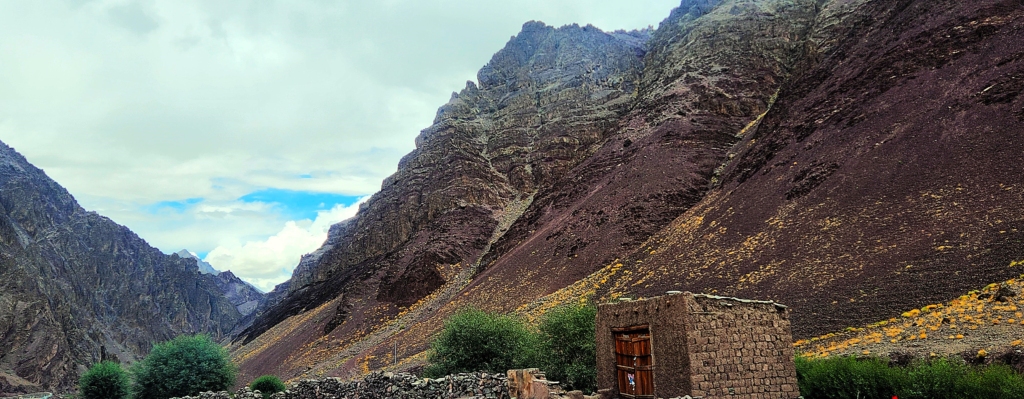
As we descended from the heights of Taglang La, the landscape unfolded into the boutique villages of Gya and Miru, nestled in one of the most stunning environments I’ve seen.
The Gya River traced a silver line alongside the rugged mountain range, whose jagged peaks had replaced the softer curves of the Changthang Plateau.
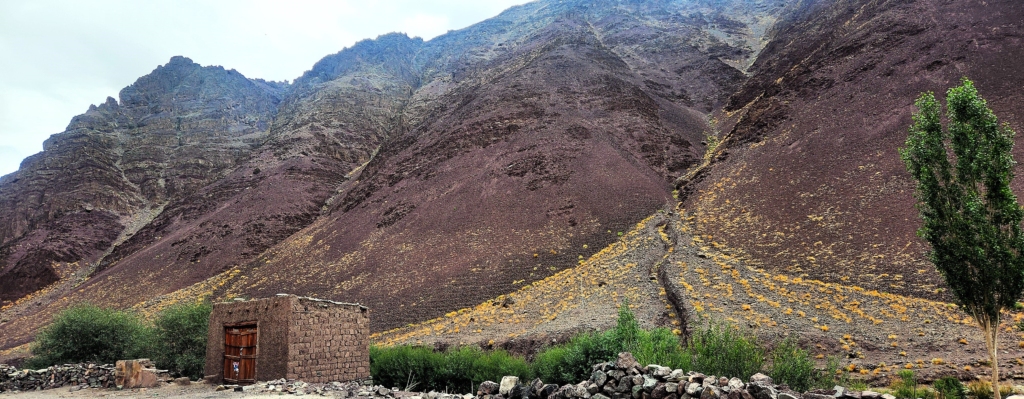
Here, the rocks held a reddish hue, a reminder that Ladakh was once called Maryul, or the “Land of Red Soil” – the same reason, I mused, that the planet Mars bears its name.
These old names evoke a connection across ancient worlds, hinting at a time when civilizations, even if distant, found common ground. It’s a thought that has stayed with me, sparking a curiosity to someday explore the links between Egyptian, Greek, and Indian civilizations.
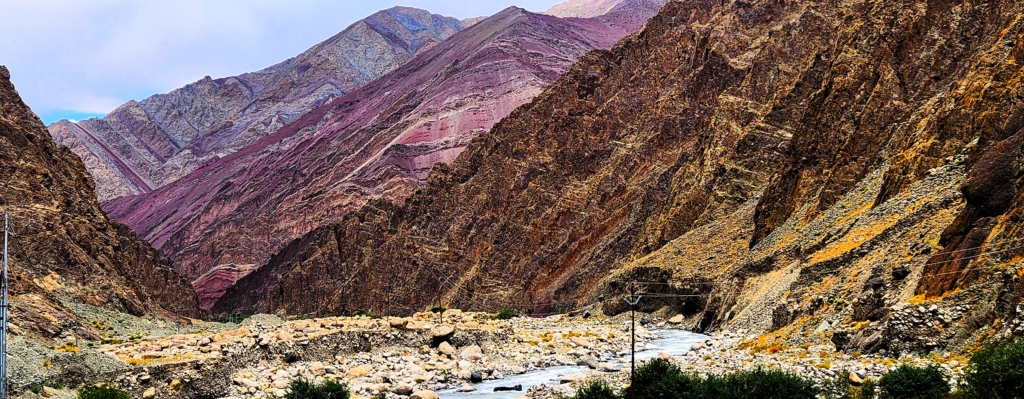
At Upshi, the Leh-Manali Highway joins an alternate road from Nyoma via Mahe and Chamthang. Here, we also met the mighty Indus, which flows beside the road all the way to Leh. The Gya River merges with the Indus at Upshi.
Lunch @ Karu
By the time we rolled into Karu, our stomachs were rumbling, so we pulled up to a small Vaishnav dhaba. These humble roadside joints have their charm – giving me a chance to meet the locals and catch a pulse of daily life. I was struck by the number of pure vegetarian Vaishnav dhabas in and around Leh, each marked with a bold banner as if the name itself was a brand.
As we waited for our food, I found myself reflecting on the past few days spent journeying through Ladakh’s breathtaking landscapes and meeting remarkable people along the way. I felt deeply grateful to fate for granting me this unforgettable experience. These people came from all corners of the world and represented a wide range of backgrounds, each one touching me with their simplicity, warmth, and humility. I felt as though these unique qualities had become a part of me, perhaps without even realizing it.
us ko dekho libaas mat dekho, vo pahaadee gulaab hai pyaare
These poetic lines of Ateek Anjar – “look at her, don’t look at the dress” suggests focusing on the person’s inner beauty or essence rather than just their appearance or what they’re wearing. The following line, “that’s a mountain rose, my dear”, likens her to a mountain rose – a rare, natural beauty that stands out, resilient and authentic, like a wildflower flourishing in rugged terrain. Together, these lines emphasize appreciating someone’s true character and unique charm, beyond outward appearances.
The food was fresh and delicious, bringing a comforting, home-cooked warmth I hadn’t tasted in days. The dhaba was run by a father-son duo, with a couple of helpers bustling about. As we waited, an elderly man arrived, impatiently ordering his food and, after a few minutes, loudly complaining about the “long wait” before storming out. His eccentric exit had the entire dhaba laughing, a shared moment that broke the ice among us all.
Nearby, the owner and a young transport driver were deep in conversation about sourcing fresh vegetables from Himachal, particularly peas. With recent transportation delays on the Leh-Manali Highway, they discussed one reliable truck driver who always delivered on time. Their talk soon turned to alternative sources, like contracting with local farmers. The owner was intent on quality over price, giving me a glimpse into the care and effort behind each simple, tasty meal. It was clear that serving quality food at a reasonable price was more than just business – it was a point of pride.
Thiksey & Shey
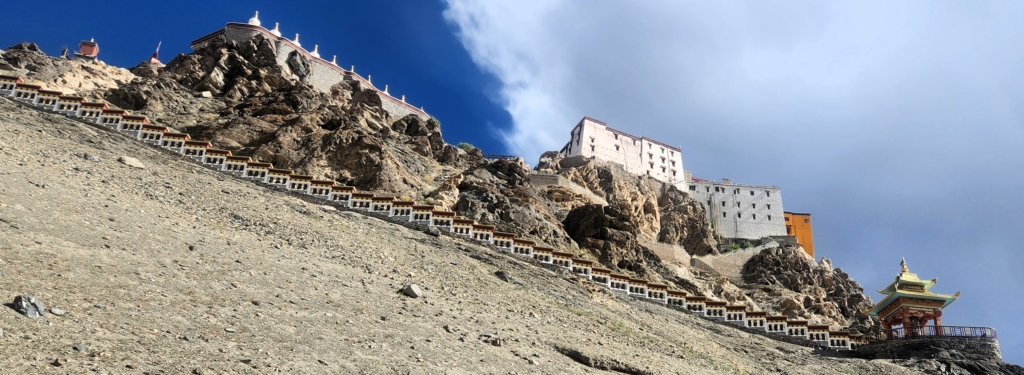
Our original plan was to stop for the night at either Thiksey or Shey, though I’d kept it flexible, intending to choose a place based on the setting and natural beauty as we arrived. We passed through the charming village of Thiksey, home to the famous Thiksey Monastery perched atop a hill. This 12-storied marvel is said to echo the architecture of the Potala Palace in Lhasa, Tibet. As we cruised through, Thiksey felt a bit on the upscale side, just beyond our budget. Without finding the right homestay, we decided to continue on to Shey.
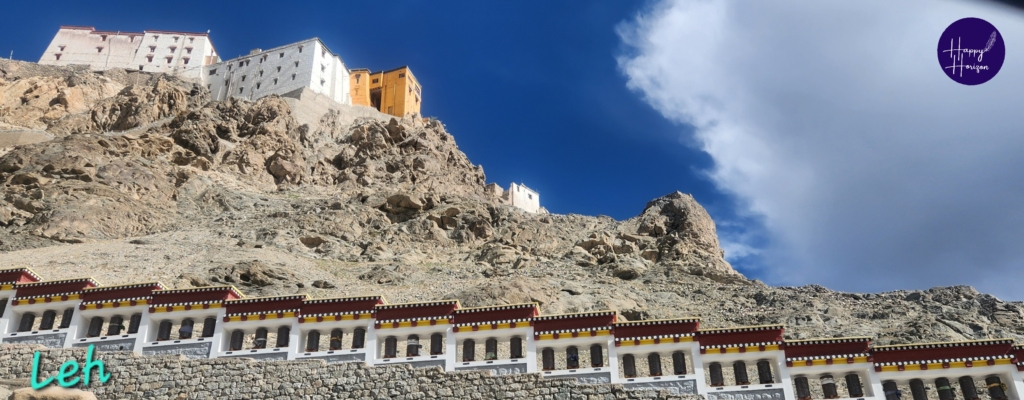
In Shey, we veered off the main road into the quieter parts of the village, hoping to find a cozy homestay. Tucked away from the hum of traffic, the area offered peace, with the sound of the Indus River faintly flowing nearby. Despite our efforts, every homestay was booked. I couldn’t help but wonder if the high demand was due to Shey’s serene beauty or its proximity to Thiksey Monastery. In hindsight, I wish I’d taken a night halt in Gya or Miru to savour its rich heritage and culture.
Leh City
As we searched place for overnight, Danish suggested that after ten days of rustic, remote stays, perhaps it was time for a dose of city life. I liked the idea, so we agreed to head straight to Leh.
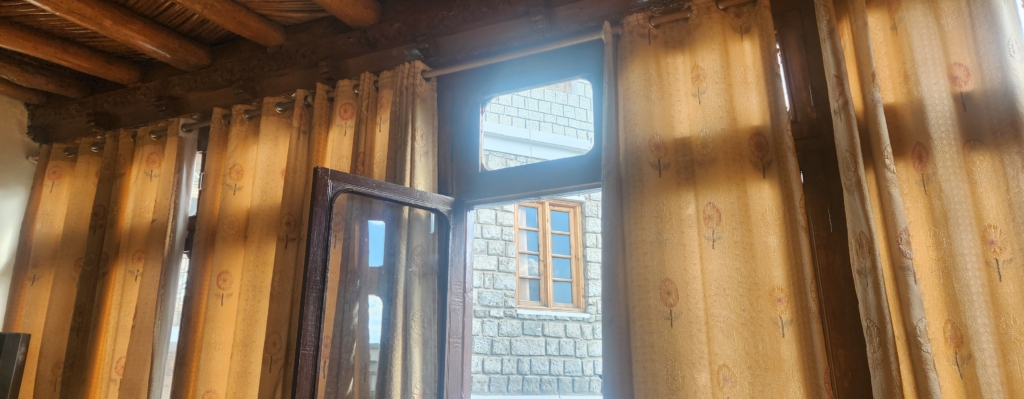
In Leh, Danish knew of a simple homestay near the bustling market. I took to his choice immediately. We checked in, and before long, we were stretched out in bed, drifting off into a deep afternoon snooze.
August 2024
If you’re planning a trip to Tso Kar or explore Ladakh, we at HappyHorizon would be thrilled to curate your holiday plans to enhance your travel experiences. Feel free to reach out to us: connect@happyhorizon.in
Day 11 – 13: Leh City Life – Read More
Gallery
Sukumar Jain, a Mumbai-based finance professional with global experience, is also a passionate traveler, wildlife enthusiast, and an aficionado of Indian culture. Alongside his career, which includes diverse roles in international banking and finance, he's working on a wildlife coffee table book and enjoys sculpture and pottery. His interests span reading non-fiction to engaging in social and global networking.