Julley! Ladakh: Land of La, Tso & Gompa – Read More
Day 1: Drass
Mumbai – Srinagar – Zoji La – War Memorial – Kharboo – Kargil: 200 km. / 5 hr. / Altitude (Kargil): 8,780 ft.
Danish and myself greeted each other with a warm hug, we were meeting after a gap of one year. Danish had lost some weight but he bore the same trimmed beard and moustache accompanied by mesmerizing smile. We exchanged pleasantries and enquired about the well-being about our families. I had met Danish immediate and extended family during my visit to Kashmir previous year. Landing at Srinagar and being received by Danish felt like I was visiting my home city and not a tourist place.
Srinagar – Sonmarg
We decided to quickly escape the notorious Srinagar traffic and take breakfast stop further away from the city limits. Danish suggested that we could stop somewhere close to Sonmarg (also referred as Sonamarg). Danish complained about my indifference towards Srinagar and requested that next time I need to plan a vacation to Kashmir, which included Srinagar and tourist spots around the city. All I could say to him – Insha Allaha!
We were lucky to dodge the morning city traffic and stopped at a river-side dhaaba for a quick breakfast break. River Sindh gentle flowing sound through picturesque landscape served as a perfect backdrop for a delicious aloo-paratha breakfast along with hot ginger spiced tea.


At Danish’s recommendation, we stocked some dry fruits from the local store for our 13-day long road journey. A wise decision on hindsight.
As we walked out of the store, I noticed a young lad, selling some unique local fruits in a cart nearby. Since I had not tried these fruits, I bought some and gave Rs. 100 currency note. The lad said that the total cost for the purchase was about Rs. 75 and he did not have change amount to return.
I asked him to keep the change. My response had shocked him as he could not comprehend, how he can keep the extra amount without earning it rightfully. As he handed over the bag, he added couple of more fruit pieces.

Soon we were passing through Sonmarg at an altitude of 8,960 ft. The name ‘Sonmarg’ means ‘meadow of gold’ – as sun rays hit the snowy meadows, the whole valley is transformed as if glowing in gold. I could see why Sonmarg attract tourists from all over the world. The place is truly a nature lover’s paradise with its beautiful landscapes and snow-capped mountains. Since we had a tight travel schedule, we decided admire the beauty as we drove along. We could see the base camp of the Amarnath Yatra. I was captivated by the natural beauty of Sonmarg. Probably, I will spend few days here to enjoy the nature, hopefully soon.


Zoji La & Operation Bison
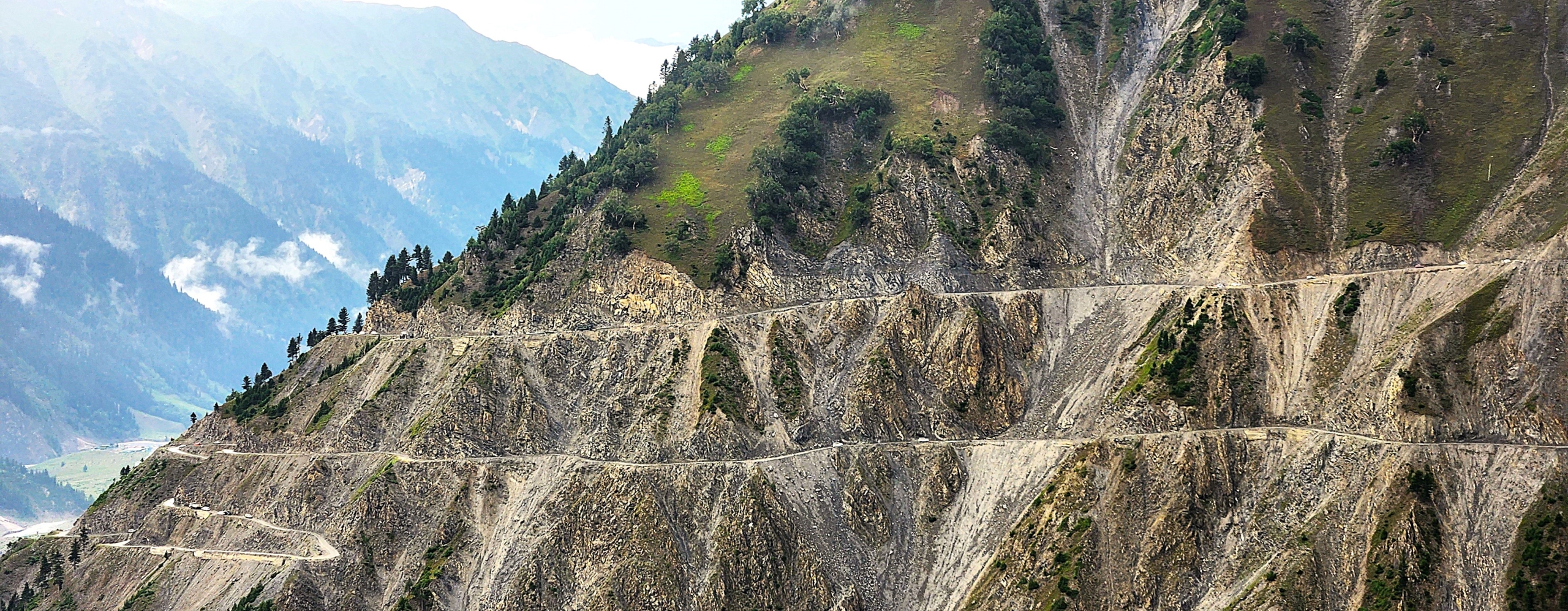
As we scaled the Great Himalayan mountain range, we reached the famous Zoji La at an altitude of 11,575 ft. Based on local folklore it is said that the name “Zoji” refers to the Tibetan goddess of seasons. Probably, it’s more of a subtle disguised respect to the treacherous landscape than to the seasons, as Zoji La becomes inaccessible atleast for few days during extreme winter season.
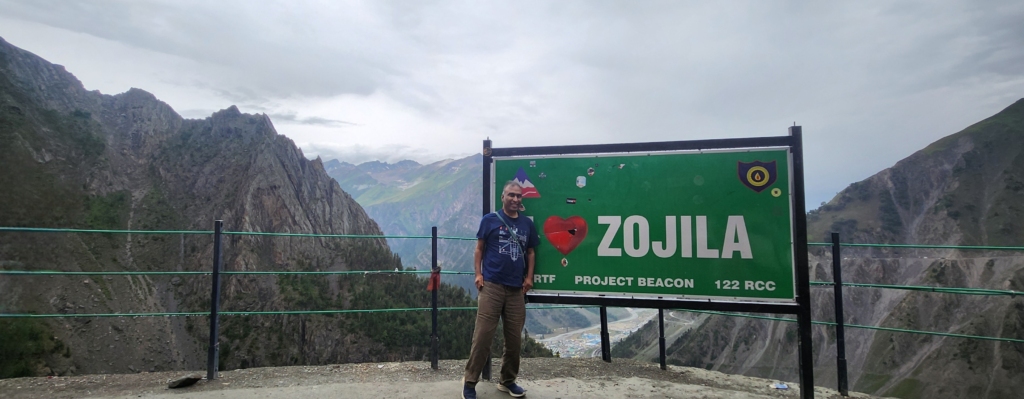
Zoji La served as an important link for the trade route between Kashmir and Tibet in ancient times. Now it provides a vital link between Ladakh and the Kashmir Valley. The cobbled road reminded me of Razdan Pass. Currently, a tunnel is being constructed through the mountain range to by-pass Zoji La for an all weather access between Srinagar and Leh. It will another marvellous engineering feat when completed, although it would pity for all the tourists who would miss the nature taking the tunnel route.
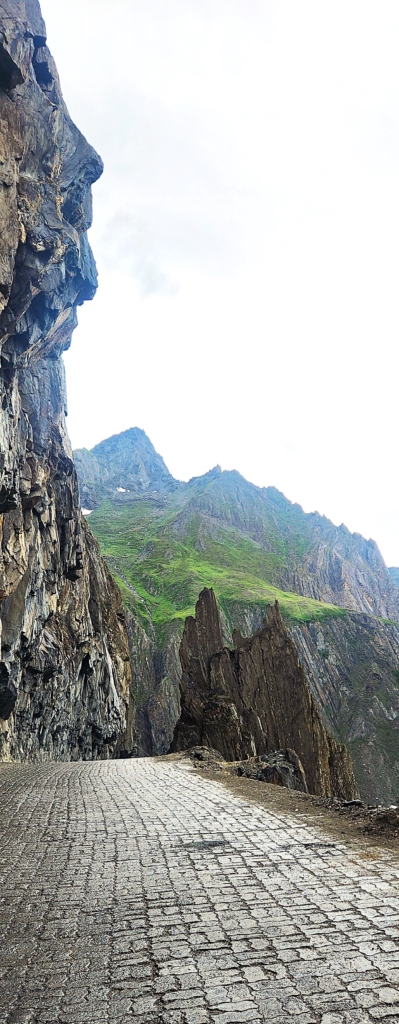
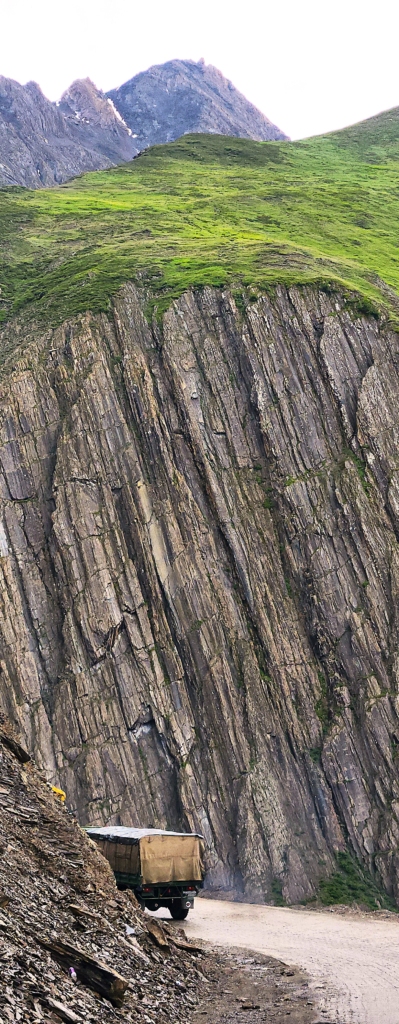
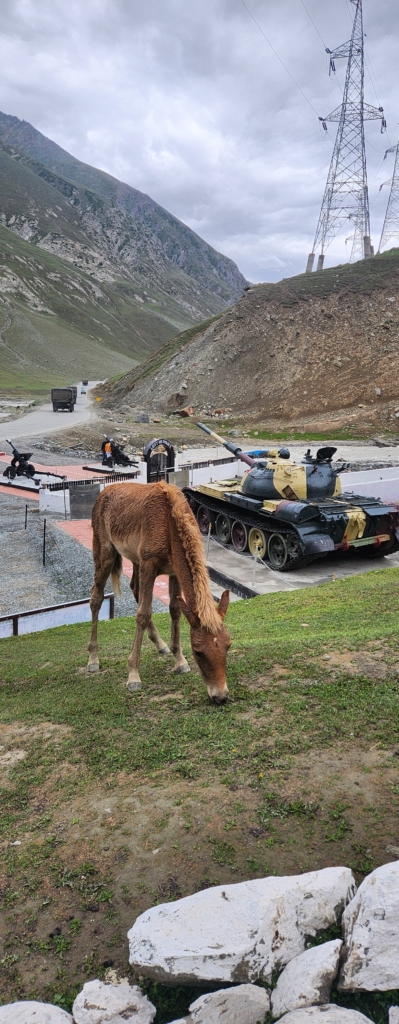
Soon after India’s independence, the Pakistan army had captured Zoji La in 1948 as part of their campaign to capture Ladakh. Zoji La was recaptured by Indian forces in an assault codenamed “Operation Bison”. The Indian army in a covert operation converted the mule track into a jeep track up the Zoji La and moved tanks in dismantled condition from Srinagar. At the time, this was the highest altitude at which tanks had operated in combat in the world.

One really needs to travel through these areas to comprehend the challenges the army would have surmounted during 1948. For a nation like India, it’s was not about loosing a small La or a mountain peak – a loss of a locational advantage could mean losing an entire state / region forever. My idea here is a small reminder to all of us the amount of sacrifice Indian soldiers are putting in so that we can continue to safely live in our comforts of home in a city far away from the war-prone boundaries and conflict zones. Travelling through Ladakh, I realized that over period, our soldiers have successfully protected our land through sheer valour conquering terrains and climates.
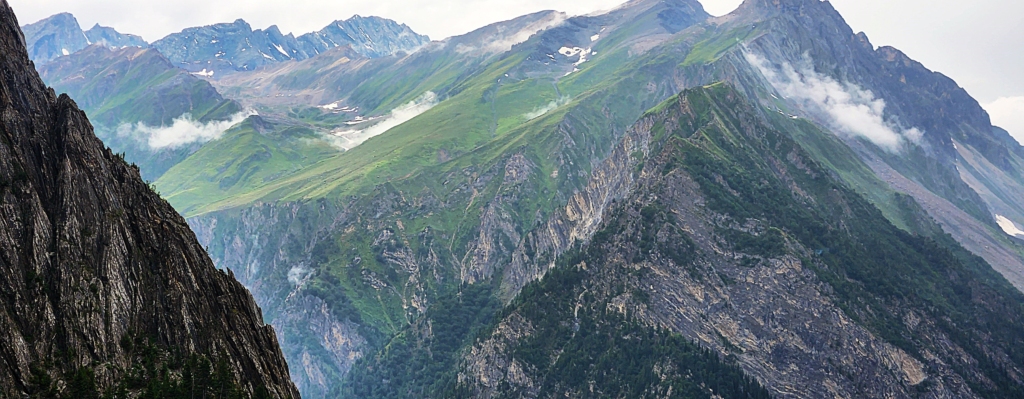
We had a small tea-break stop over near Zoji La. Am not sure what triggered me, but bought some lovely hand woven Pashmina shawls from the tribal herdsmen camping near the roadside. Danish was very sceptical about my sudden purchase. I am not sure if I bought them because of their beautiful weave or just wanted to help the local herdsmen family. But my niece loved them all, so I am happy.
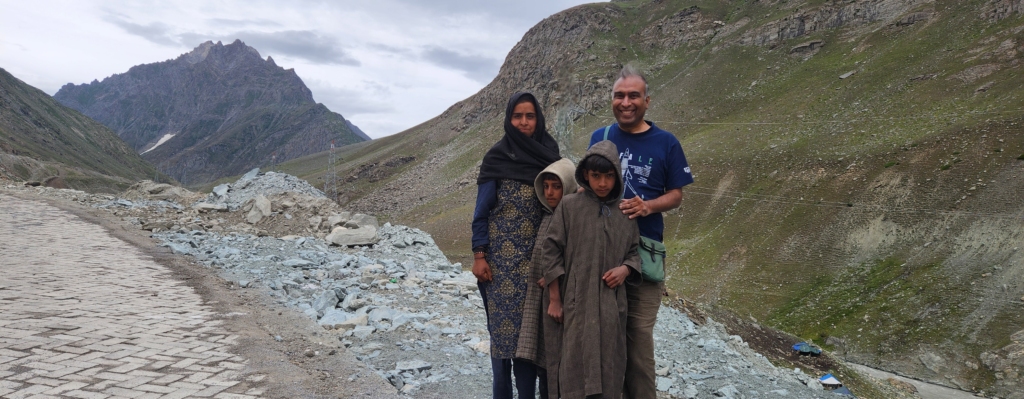
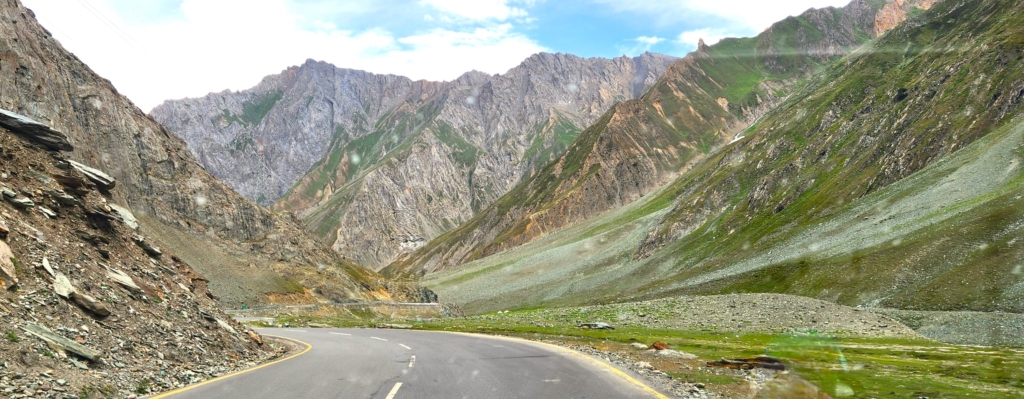
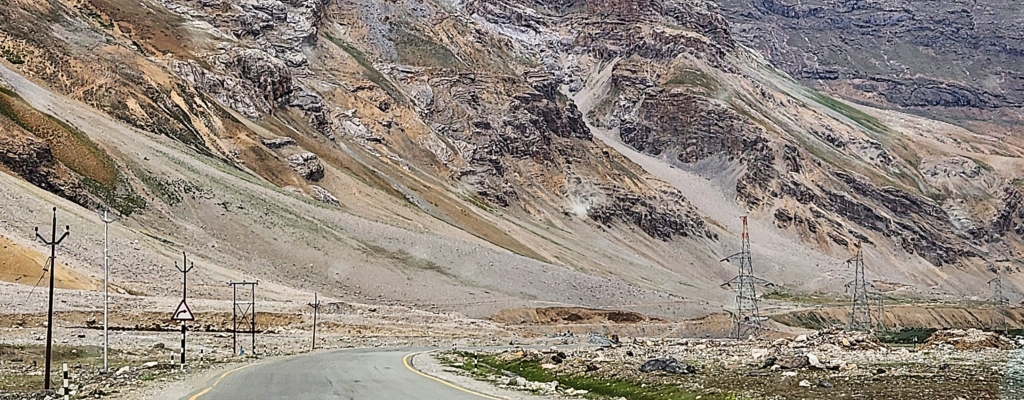
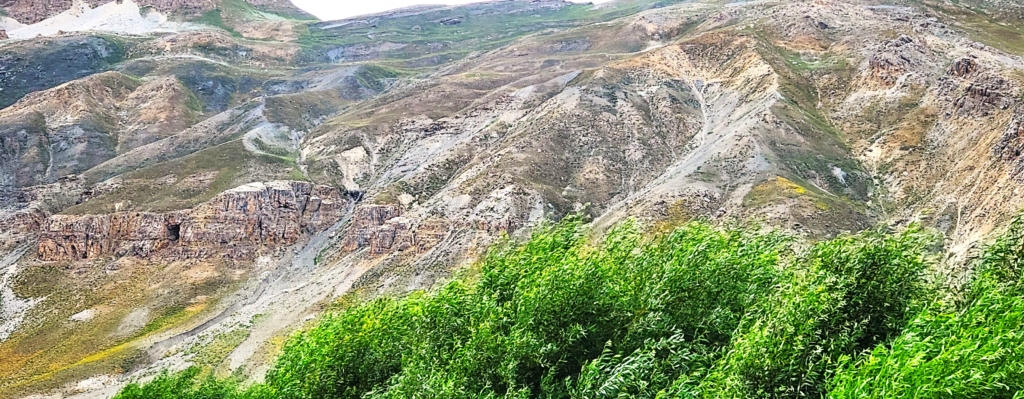
As we drove through the area, even the barrenness of the Greater Himalayan Range at such high altitude looks beautiful. The name of the Himalayan mountain range hails from the Sanskrit word “Himalaya” which translates to “abode of snow”, comprising of two words – “hima” (meaning cold), and alaya (meaning dwelling). The western end terminates at a magnificent point near Nanga Parbat (POK) where the Himalayas intersect with the Karakoram and Hindu-Kush mountain ranges, in the region of Gilgit-Baltistan (POK).
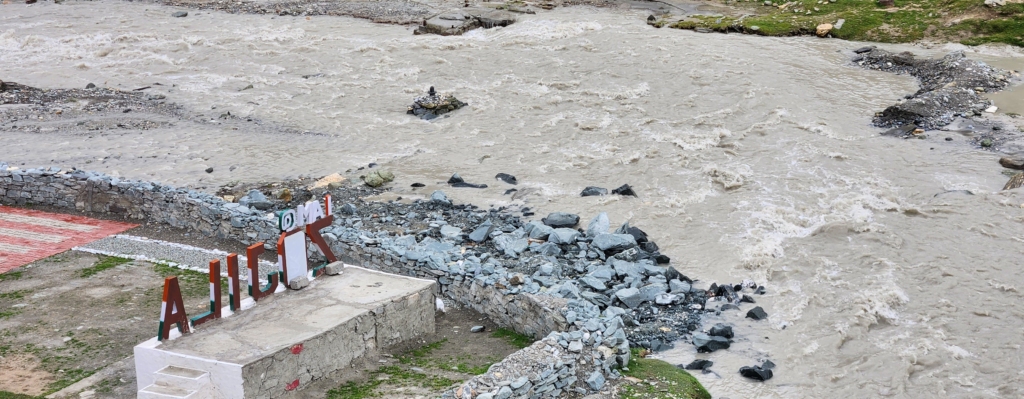
Drass: Operation Vijay
Passing through Zoji La, we soon entered the historic town of Drass, located at an altitude of 10,800 ft. Drass is often called the ‘Gateway to Ladakh’.
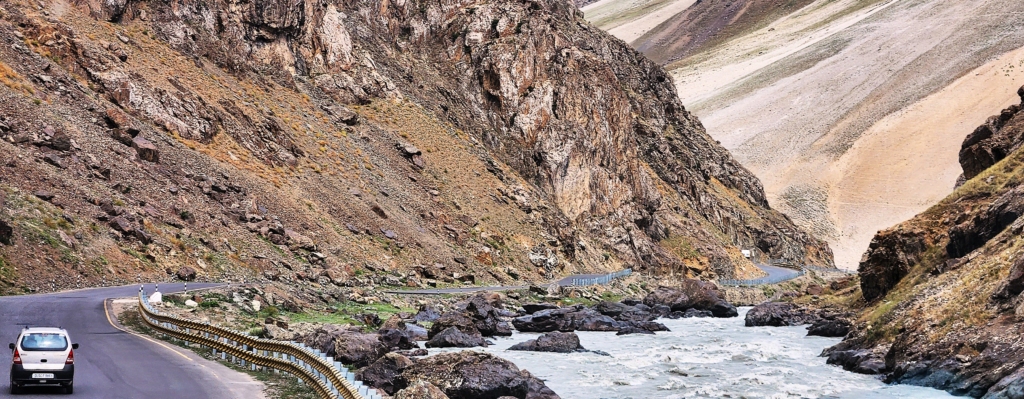
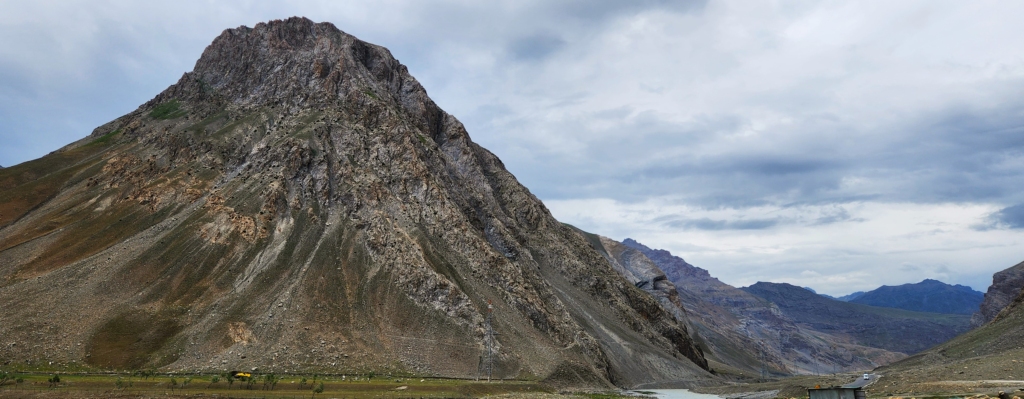
It is the second coldest inhabited place on earth (first being Siberian village in Russia), where the minimum temperature can get as low as -40 degree Celsius. Am sure there are several places where temperatures drop lower than this but Drass, is the second coldest place, which is inhabited by people throughout the year. The people of Drass have been negotiating trade and transportation through the Zoji La for centuries, and being natives, only they have the skill to live through the riskiest spells of winter. Keeping a watch over the Zoji La since the heyday of pan-Asian trade has earned the people of Drass the title of ‘Guardians of Ladakh’. Drass was a part of the Balti Empire that spread all the way from Skardu to the end of Ladakh.
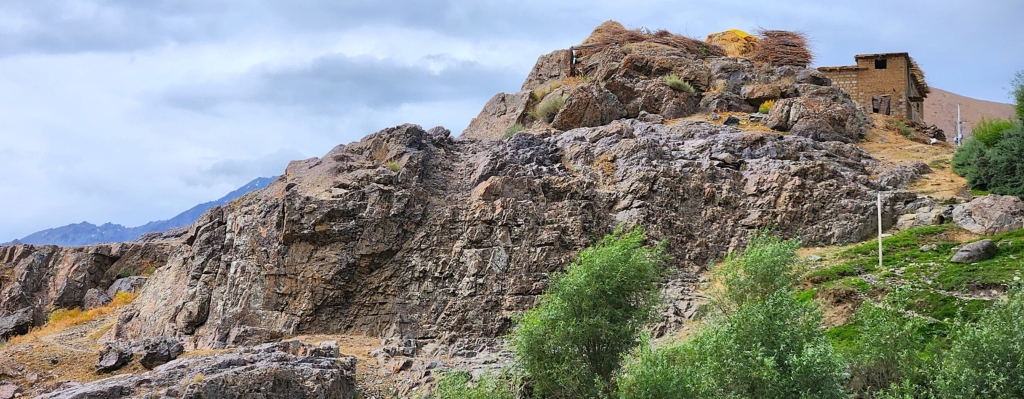

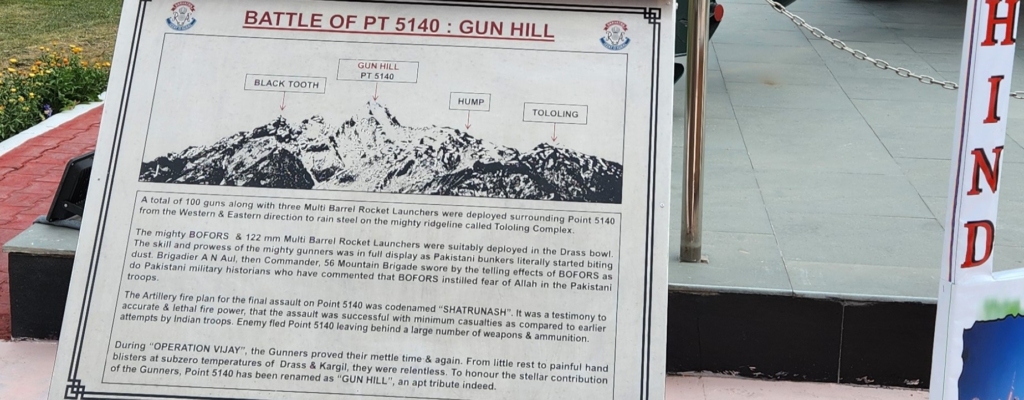
Living upto their name – during year 1999, ‘Guardians of Ladakh’, the local shepherds reported to Indian army that some Pakistani nationals had infiltrated the nearby mountain range through a porous border. Some of these infiltrators were also seen in the nearby local village shopping for daily needs. Ground patrols and aerial reconnaissance revealed the full extent of the intrusion. It was found that Pakistani army had intruded into Indian territory and occupied numerous heights within the Indian side of Line of Control (LOC), such as Tololing and Tiger Hills (altitude of 16,608 ft.), dominating the national highway (NH 1) connecting Leh to Srinagar.

The Pakistani army aimed to interrupt the national highway connecting Ladakh with the mainland India. Before I visited the Kargil War Memorial at Drass, Tiger Hill, Tololing Hill were mere names for me associated with the Kargil War. Only when I stood in the shadow of Tololing Hill I realized how close it is to the National Highway – it is right across the Srinagar Leh Highway.
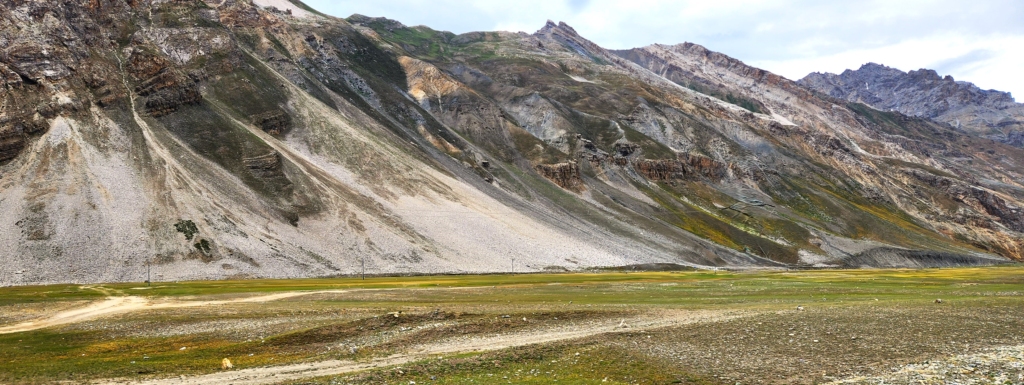
As Pakistan army was in a vantage position at peaks in safe and secure bunkers it was perceived that Indian army will not be able to evacuate them. More importantly after few months severe winter was to prevail. It would take amazing physical fitness coupled with mental fortitude to scale steep mountain peaks of 16k ft. loaded with equipment, and in the face of fire. It was presumed that India will be deterred by heavy casualties.
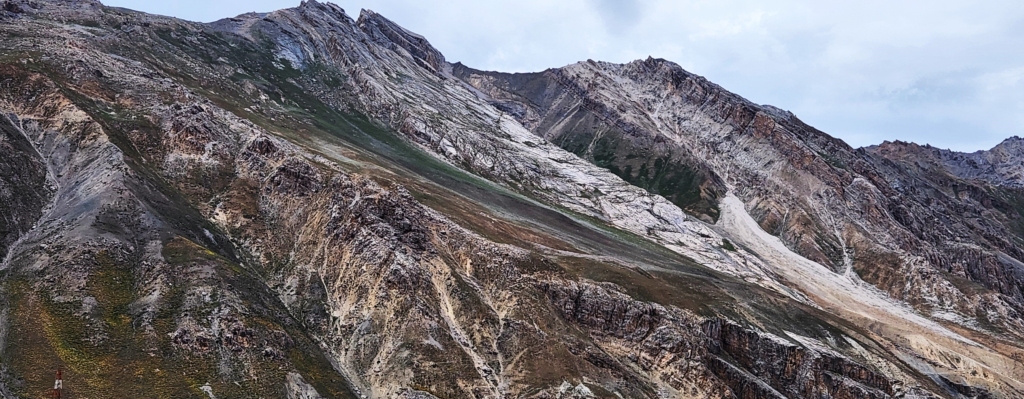
Against all the odds the Indian army launched “Operation Vijay” (Victory) at an astounding height, to evict the intruders in May 1999. Fierce battles were fought to regain every inch of the Indian territory in one of the most treacherous terrain on Earth. It took more than two months for Indian Army to take back control over the region which was subject to infiltration. Since enemies were sitting atop the top of the mountain, most of the military advances to regain land was conducted at the dead end of the night, in midst of hustling wind and temperature as low as -20 degree.
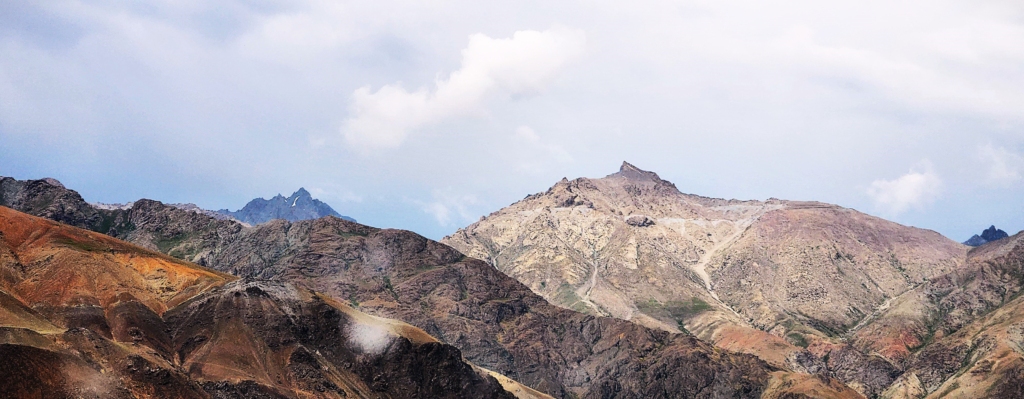
The intruders were evicted by July 26, 1999. Each year, 26th July is observed as “Kargil Vijay Divas” (Kargil Victory Day) to commemorate the undaunting spirit and supreme sacrifice of 527 Indian soldiers during this conflict.
War Memorial @ Drass
Kargil War Memorial at Drass stands as a tribute to the valour, sacrifice, and indomitable spirit of the Indian armed forces. It is a significant landmark dedicated to honour the brave soldiers who lost their lives during the Kargil War. The memorial serves as a reminder of the heroism displayed by the soldiers who fought under extremely challenging conditions at high altitudes and rugged terrain during the conflict. As we stood in front of the gate, we could see the entire War Memorial enveloped in the pink walls of sandstone.

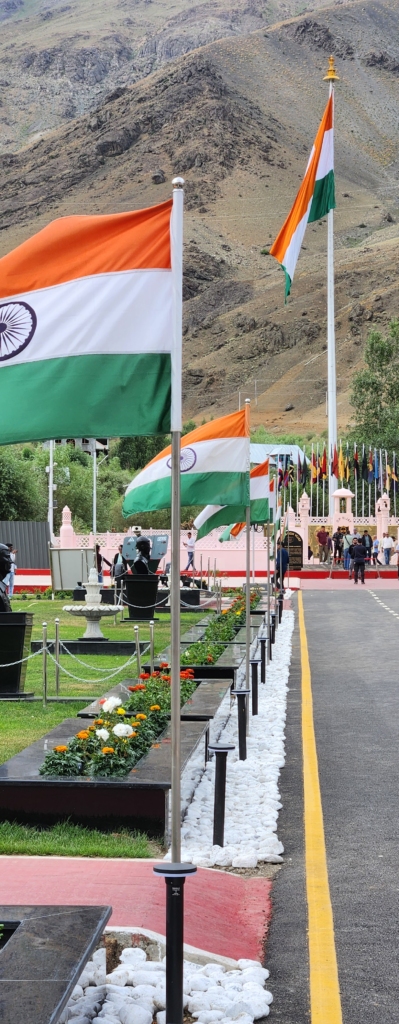

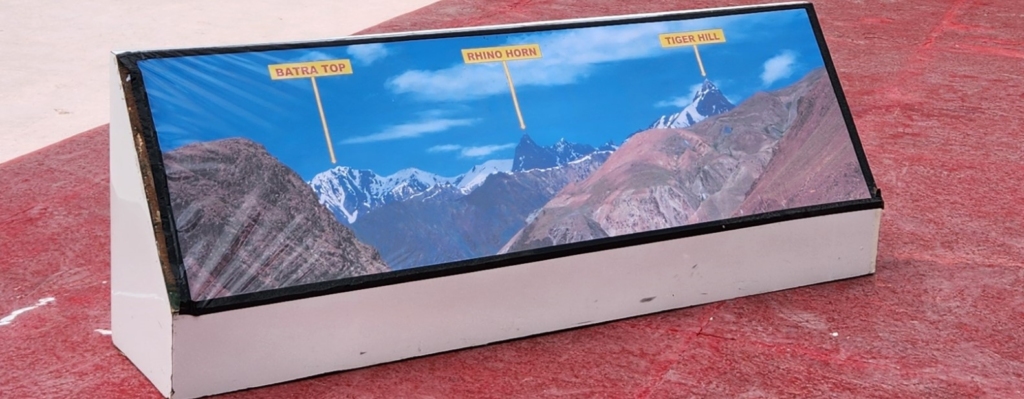
The Kargil War Memorial stands at the foothill of the Tololing mountain and at a distance, you can see Tiger Hill, Rhino Hill and Batra Top – the fiercest of battlegrounds during Operation Vijay. As you enter the memorial, a broad pathway called Vijaypath (Path of Victory) lined up with the Indian tricolour flags with busts of the decorated soldiers from the war with a brief description of the action which resulted in a decoration for the soldier.

Vijaypath leads to the triumphant tower bearing the words “OP Vijay” and an eternal victory flame – “Amar Jawan Jyoti”, over which the Indian tricolour flag flutters high in the air. The OP Vijay tower has the following words inscribed:
Chaha nahi maine surbala ke gahno mei ghutha jau,
Chaha nahi premi-mala mei bhind pyaari ko lalchau
Mujhe todh lena van-mali, uss path per dena tum phek,
Matru bhumi per sheesh chadane, jis path jawe veer anek
This is extract of poem written by poet Makhanlal Chaturvedi titled – “Pusph ki Aabhilasha” (Desire of a Flower). He wrote this poem on February 28, 1922 while being lodged in Bilaspur jail (Barrack No. 9).
A flower which is a symbol of beauty and tenderness expresses his wish in poetry. Neither does he want to become a beautiful woman’s ornament, nor does he want to be knitted into lover’s garland. He has a very unique desire. He wants to be thrown on the path on which brave warriors go to sacrifice their lives.
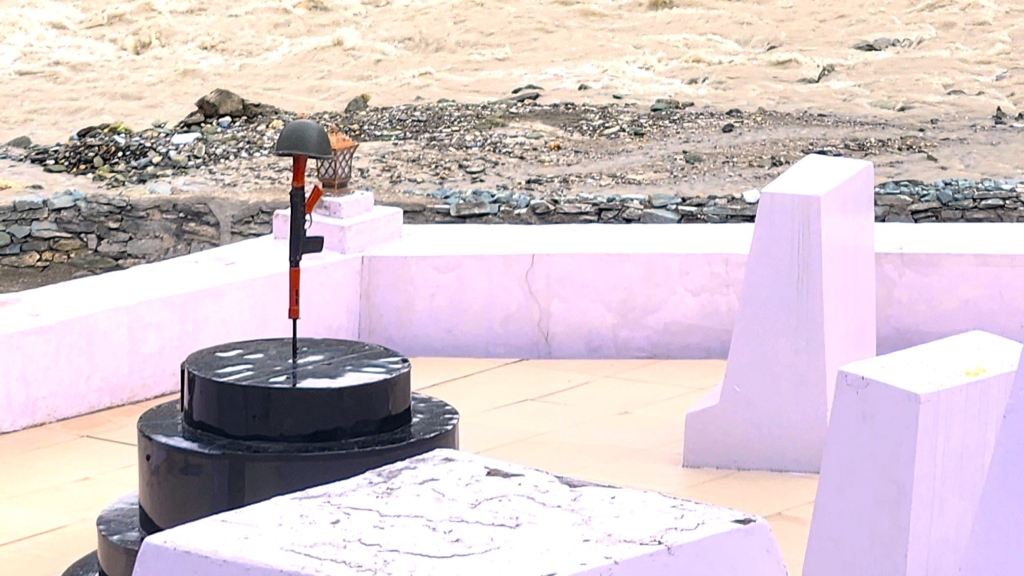
Behind the “Amar Jawan Jyoti” is the “Wall of Heroes” which displays the names of the soldiers from the Indian Army, Air Force, and Navy who made the supreme sacrifice during the Kargil War. It serves as a solemn reminder of their courage and sacrifice with the following words:
Shaheedon ki chitaon par judenge har baras mele
Vatan par marne walon ka yahi baki nishaan hoga
This is extract of poem written by poet Jagdamba Prasad Hitaishi titled – Amar Ujala (Immortal Light), which translates to – Fairs will be held every year on the funeral pyres of martyrs. This will be the remaining trace of those who died for their country.
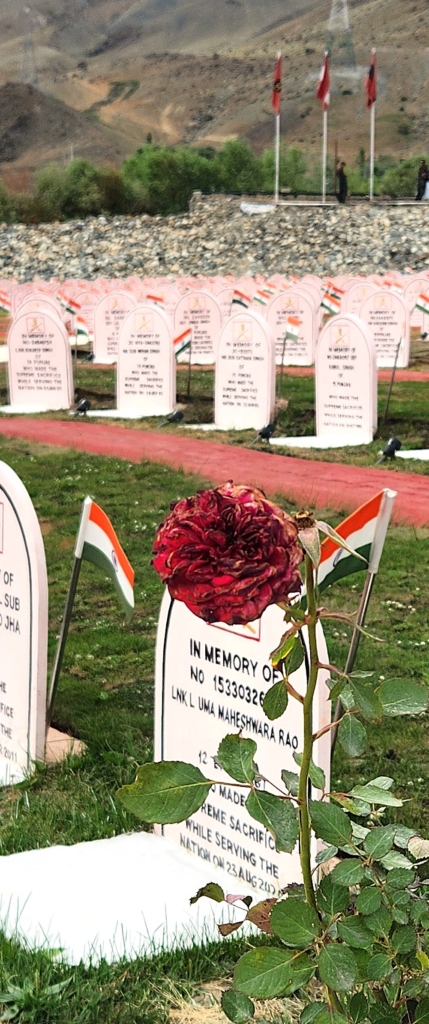
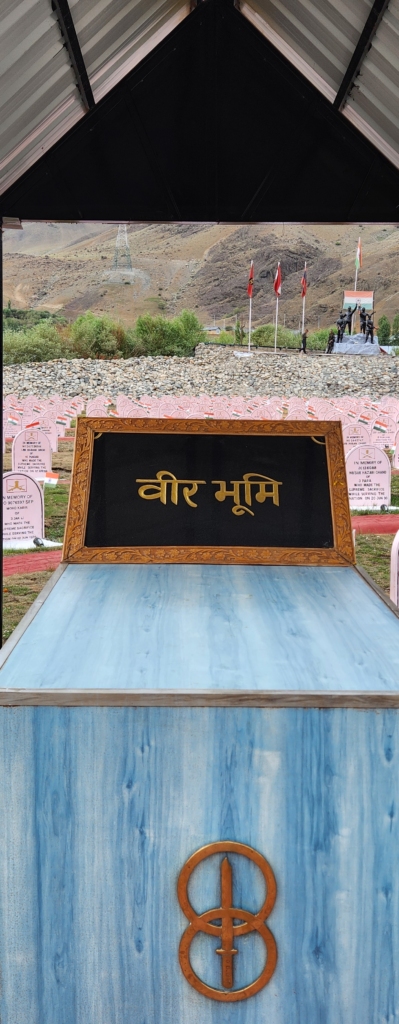
The memorial also houses the war cemetery “Veer Bhoomi”, an ode to every soldier who was martyred in the war. It instills warm feelings of patriotism, reminds us of the bravery and selflessness with which the soldiers shed their lives for the nation. Pink sandstone altar has names of all the 527 martyrs. A magnificent sculpture of the soldiers is created to celebrate the victory, with soldiers holding India’s tricolour flag against a mighty hill.

“Beneath this earth young warriors sleep”


We were given a guided tour of the memorial hall where the military history of the campaign was provided in detail, along with photographs from the time of the war. The memorial also showcases weapons and equipment related to the Kargil War and also contains information panels and maps detailing the military operations carried out during the Kargil War. It offers visitors an opportunity to understand the strategic aspects of the conflict and insight into the challenges faced by the Indian armed forces during the conflict.

More importantly, the gallery depicts the story of young people, people mostly in their twenties, who lost their life in the war. It is that age when the rest of the world posts photos on Instagram / Facebook and tells the world they are trying to find their true calling. At that age people passionately debate the meaning of ‘freedom’ from their comfortable living rooms. It was that age these young people in uniform were defending the nation with their lives!
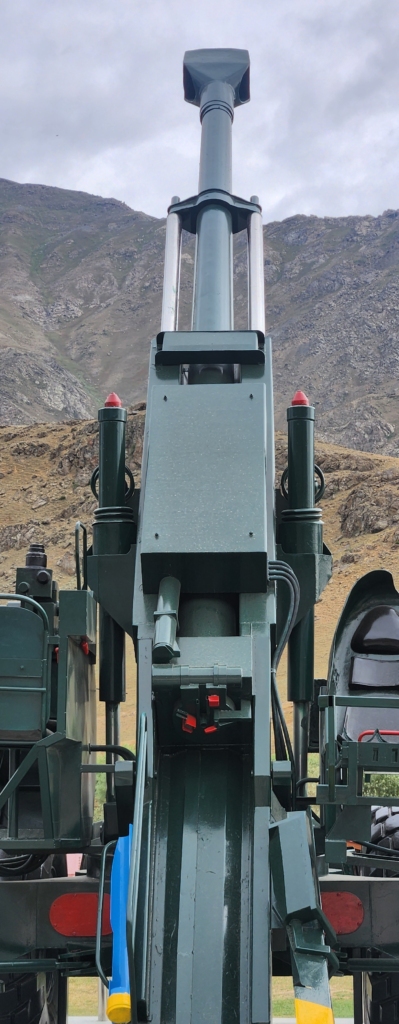
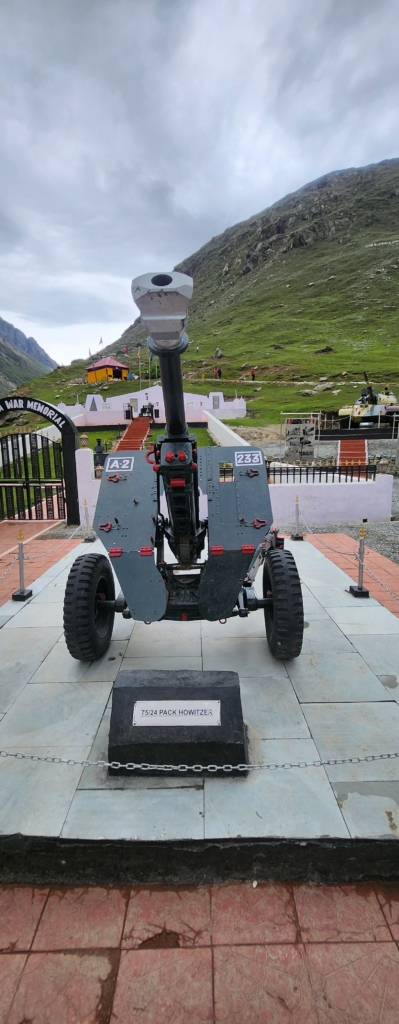
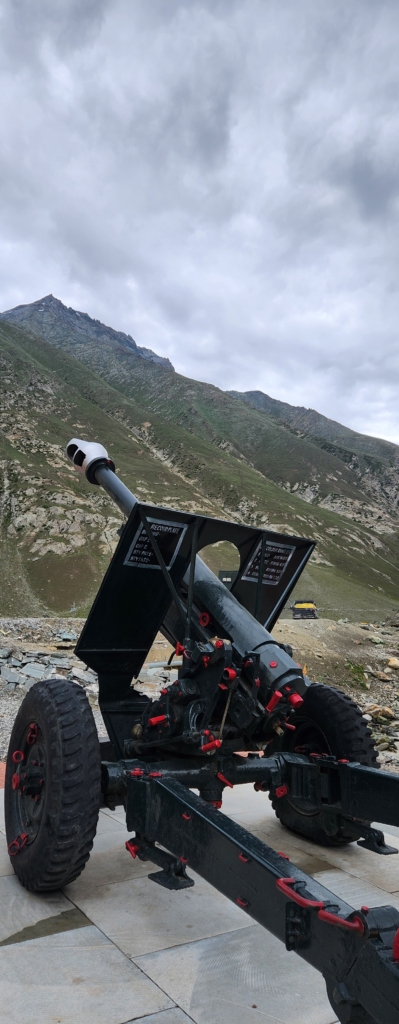
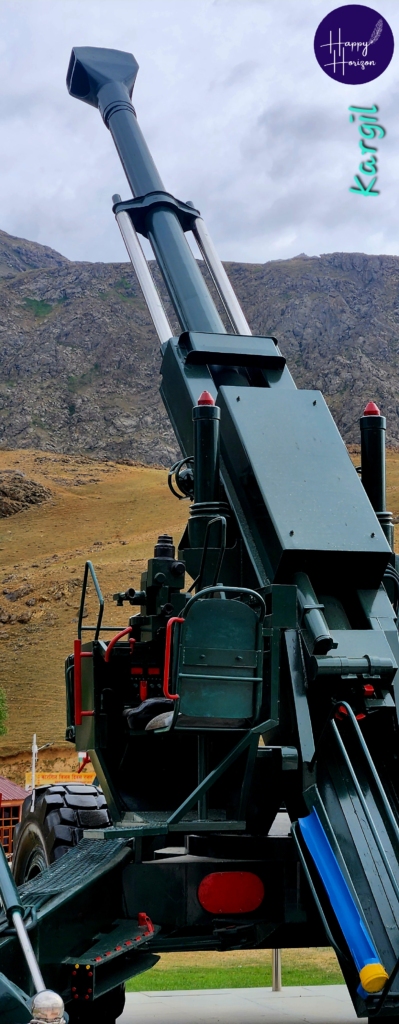
Within the complex you can also see closely the infamous “Bofors” gun and the MIG-21 fighter plane, which played a significant role in the war.


As I walked out of the Kargil War Memorial, I could sense blood gushing through every part of my body, feeling proud of the young brave Indian soldiers, who laid their lives to protect our boundaries and eventually our lives. One can only truly appreciate the challenge and difficulty of conquering back our motherland, once you have the view of the battlefield location first-hand. I truly consider myself to be lucky that I was able to visit the Memorial during the week commemorating “Vijay Diwas”.

Near the exit of the War Memorial, the plague at the gates very aptly sums up the above experience:
When you go home tell them of us and say, “for your tomorrow we gave our today”
Heading to the last part of the Memorial, there was a souvenir shop. We bought a few t-shirts, hats, and coffee mugs with different imprints of the Tiger Hill and the Kargil War victory.
Pro Tip: I would highly recommend that every Indian should visit War Memorial at Kargil to the travel bucket list. As Mae West once said:
“You only live once, but if you do it right, once is enough”
As we passed through Drass town, Danish highlighted that Drass is also known for brown bear and snow leopard trails. We were running quite behind our schedule and most importantly we were quite hungry. I had planned a lunch stop-over at a small village – “Kharboo”, about 30 minutes drive from the War Memorial.
Kharboo – Click Here
After spending couple of hours with Mohammed Ali and his lovely family at Kharboo, it was time to bid goodbye. We thanked Ali and his family for their hospitality and allowing us to have a glimpse into their life in Kharboo.
Kargil
It was already getting dark as we entered Kargil, the sound of gushing Suru River filled the atmosphere. Kargil seemed to be a small laid back town with it’s own character. People on the streets were winding up their business. The town is compact and has grown indiscreetly without much planning.
Danish and myself were booked in a hostel. This was my first stay in a hostel after a gap of 25 years. The only time I had stayed in a hostel before was in a remote town in Switzerland. Based on my previous experience I was little sceptical about this adventure but I had decided to bite this bullet. Danish was very surprised with my decision. It surely gave me an opportunity to network with some young people.
We quickly got ourselves refreshed and settled on the terrace for dinner. We could hear Suru’s melody. Our hostel-hotel was right on the banks of the river Suru. Mubarak joined us for dinner. I could not thank Mubarak enough for giving us an opportunity to interact with his family and overall hospitality. We discussed the challenges of the village life in Ladakh, more specifically in Kharboo. Mubarak is working hard to create a self sustaining tourism-based ecosystem in Kharboo. He has noble thoughts and the journey is tough and challenging. We exchanged few ideas and wished him all the success for his endeavour towards social upliftment.
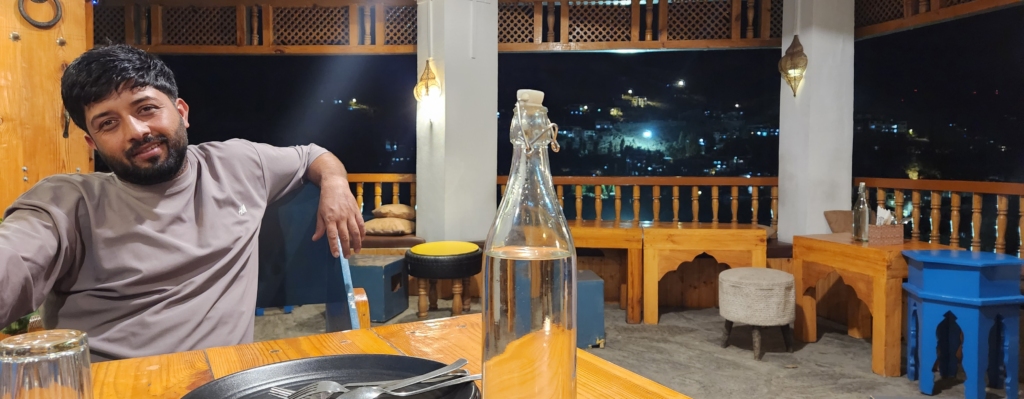
It was long tiring day for me but I was enjoying all the nature and positive energy around me.
August 2024
If you’re planning a trip to Kargil or Ladakh, we at HappyHorizon would be thrilled to customize your holiday plans to enhance your travel experiences. Feel free to reach out to us: connect@happyhorizon.in
Day 2: Kargil – Batalik Sector – Read More
Gallery









Sukumar Jain, a Mumbai-based finance professional with global experience, is also a passionate traveler, wildlife enthusiast, and an aficionado of Indian culture. Alongside his career, which includes diverse roles in international banking and finance, he's working on a wildlife coffee table book and enjoys sculpture and pottery. His interests span reading non-fiction to engaging in social and global networking.