Day 2: Gurez Valley – Read More
Day 3: Tulail Valley
Dawar to Tulail Valley: About 3 to 4 hr.
In the soft embrace of an early morning, about 5 am, I found myself restlessly tossing on my bed, eagerly awaiting the dawn. At around 7ish, compelled by an unseen force, I slipped into my shoes and ventured out of the campsite. With no particular destination in mind, I craved the pure morning air, adorned with dewdrops glistening like diamonds on the ground. I mused, wondering if these jewels were so common, would they still be a girl’s best friends.
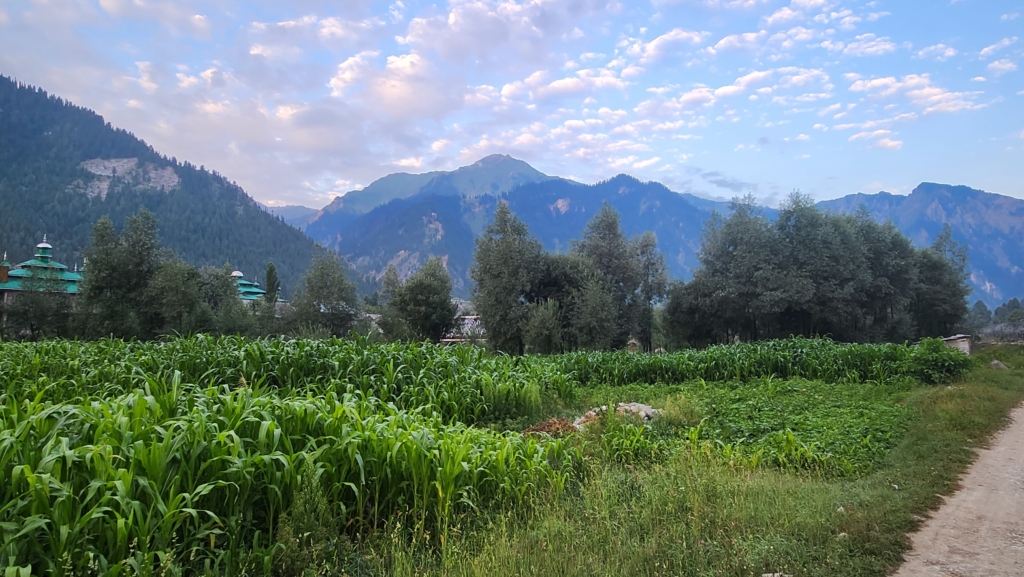
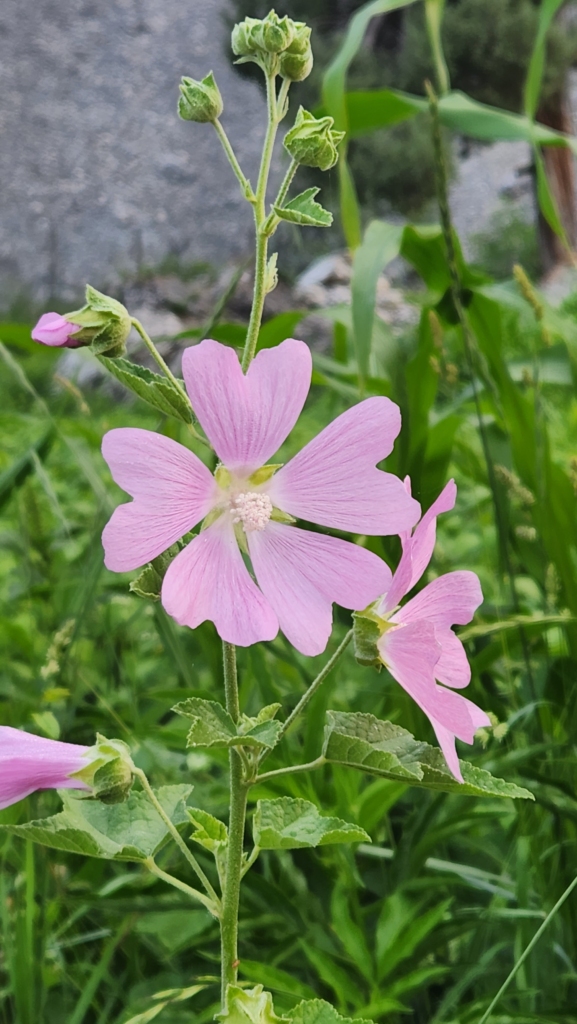
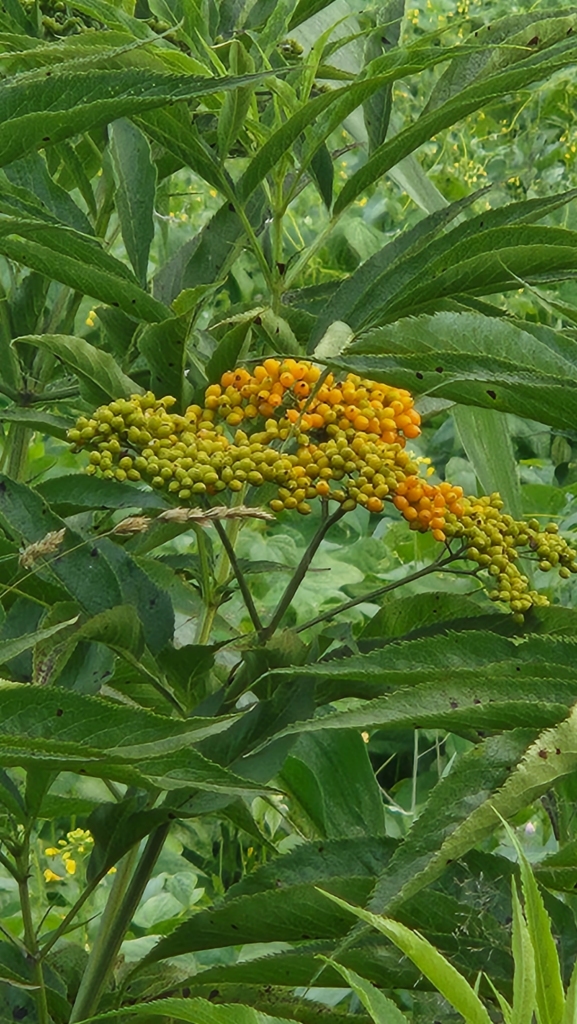
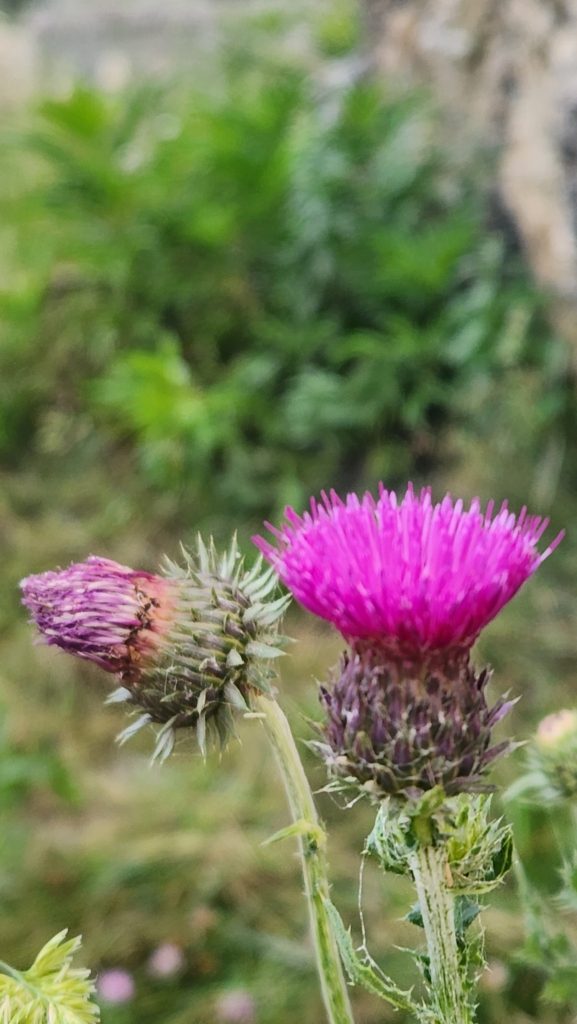
Resisting the urge to wander too far in my night suit, I contentedly strolled among the fields nearby. The flowers, more vibrant than ever, gracefully swayed to the gentle breeze weaving through the valley.
Further down the road, a herdsman guided his cattle, presenting a perfect photo opportunity. In my excitement to compose a good photograph and capture the speeding cattle in the frame accurately, I had walked a little ahead of the campsite area than I had anticipated.
I was so immersed myself in capturing the pastoral scene, only to be interrupted by a firm voice, “Sir ji, idhar photo lena manaa hai”.
Adjacent to the bridge, there was a military outpost on the side of the road. A security personnel guarded the post. I was entirely engrossed in capturing the herdsman with his cattle that I did not realize the presence of check-post.
Apologizing to the personnel at the post, I stood near the bridge, unexpectedly drawn to its charm as it led towards the market, which was irresistibly appealing.

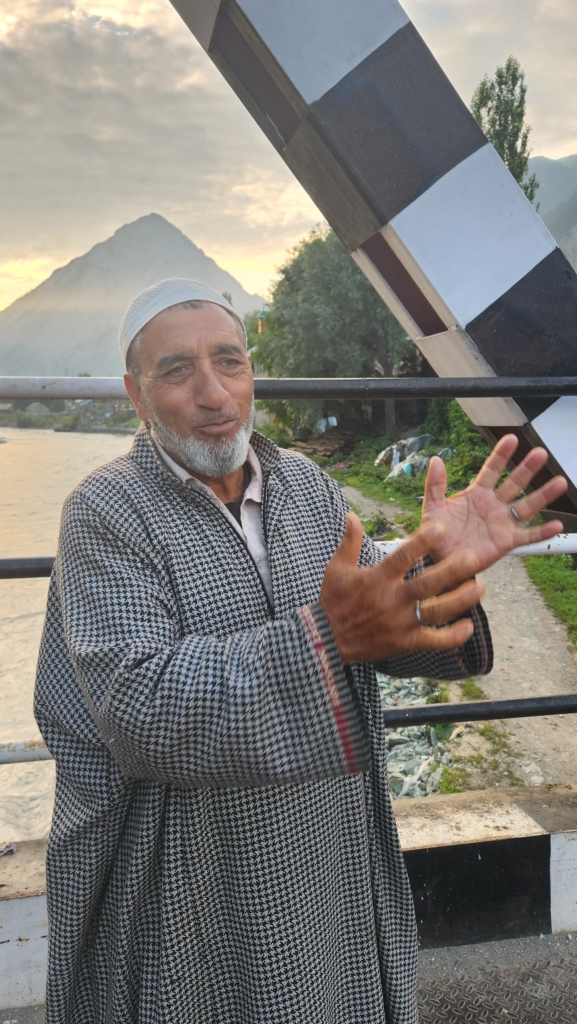
Near the check-post a chance encounter with a lively man in his 70s, transformed my aimless stroll. As we slowly traversed the bridge towards the market, we exchanged pleasantries.
I asked his permission if I could click his photograph with Habba Khatoon in the background.
He readily agreed, saying “mere photo lekar kya karoge, mein bhuddha hu aur na khoobshurat”. I strongly disagreed with him and we both laughed.
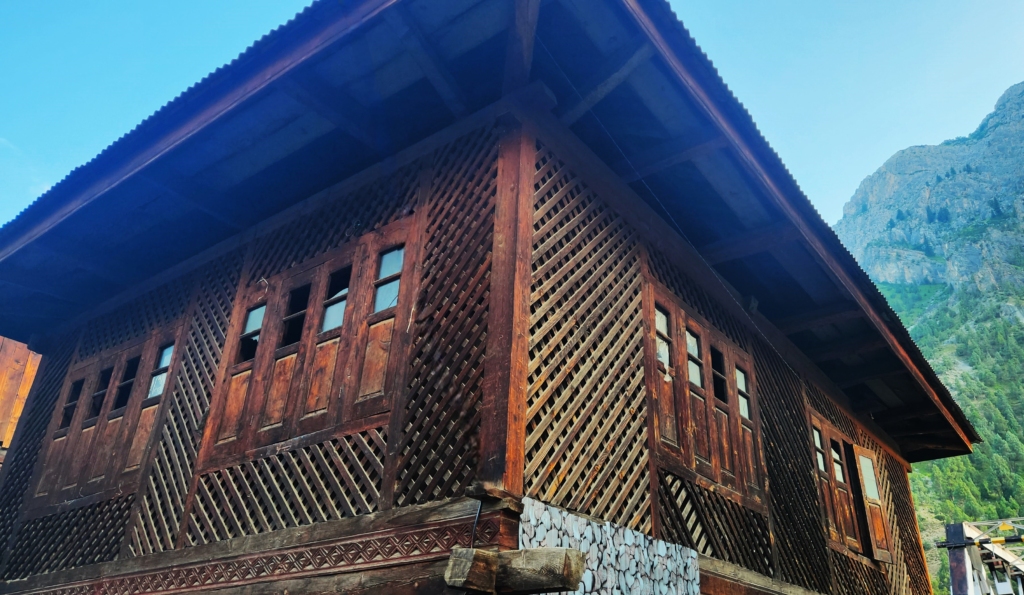
A wooden house adorned across the bridge on one side of the road, while a modern concrete mosque stood proudly on the other – a poignant tableau of eras gone by.


Entering the main town road, a serene quietude enveloped us. The main market street lay in silent repose, waiting for the day to unfold.
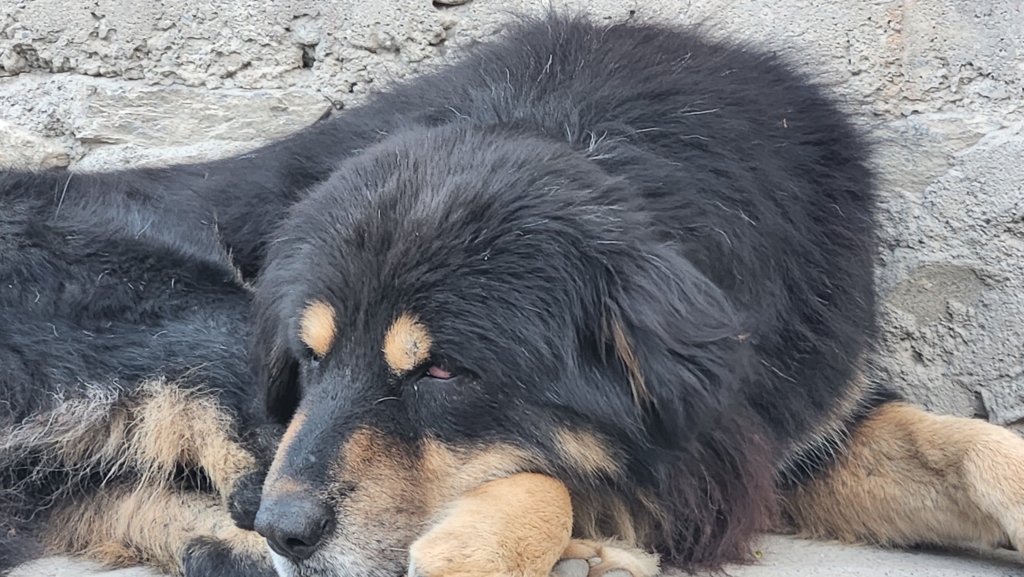
It seemed the market remained veiled in silence until 10 am, with even the street dogs dozing quietly with half-open eyes as we passed, as if guarding a tranquil dreamland. Attempting to capture this dreamy scene, I inched closer for a photo, only to be greeted with a wag of his tail, subtly urged me to let him slumber undisturbed.
We continued to walk along, with the old man reminiscing about his youthful days in the Gurez Valley and stories from his military service.
Although he was native of the town but now he mostly stayed in Bandipora. He would come up to the town once in a while to inspect his land property.

In the company of my newfound companion, we explored the town’s nooks and corners, his tales resonating with the vigour of a life well-lived. Our conversation started with how Dawar has evolved over time from a small village which had couple of houses.
As we continued to leisurely stroll, accompanied by tales of the gentleman’s youthful exploits, his unexpressed love crushes and passion to cross Razdan Pass on foot. He spoke about how he once trekked from Dawar to Baramulla on foot when the roads were closed due to an early snowfall, to report on duty. I was in awe with his grit. He added with a smile, “tab mein jawan tha”. I guess that word “jawan” served both the meanings adequately.
Conversations with military souls are boundless, each acknowledgment a tribute to a life richly lived. Amidst the charm of old wooden houses and anecdotes shared, he playfully queried, “Aap inn photos ka kya karoge?” With a smile, I assured him that these moments would be shared with my parents and friends back home, a sentiment he found pleasing. The notion of weaving these stories into a blog with photographs was an unprecedented revelation for my inherently lazy self.
As we passed an old tree, he picked a green, ball-shaped fruit from the ground. He scratched through the pulp portion of the fruit, to reveal walnut is making. The harvest was about two months away. Gurez, not renowned for walnut cultivation, cradled this tree that had found its perfect match in the soil. I held onto the fruit, a fleeting keepsake lost along the journey.
Engrossed in conversation, we traversed a considerable distance, finding ourselves on the outskirts of the town. With a gentle goodbye, he set forth to his brother’s place for tea, leaving me with directions to the campsite – a comforting landmark of a mosque on my left. I returned back to the resort reflecting on the unexpected joy of having a local guide.
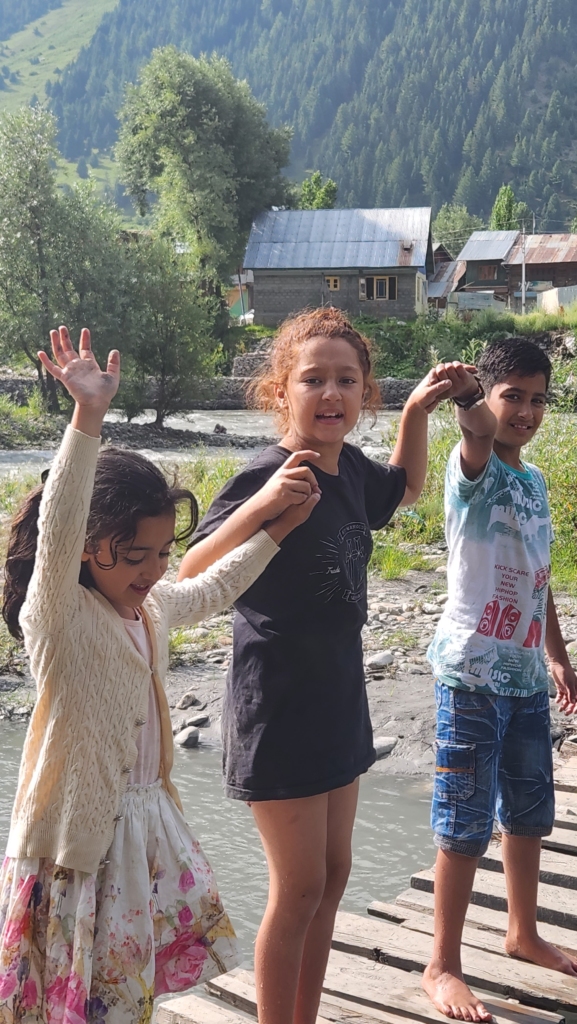
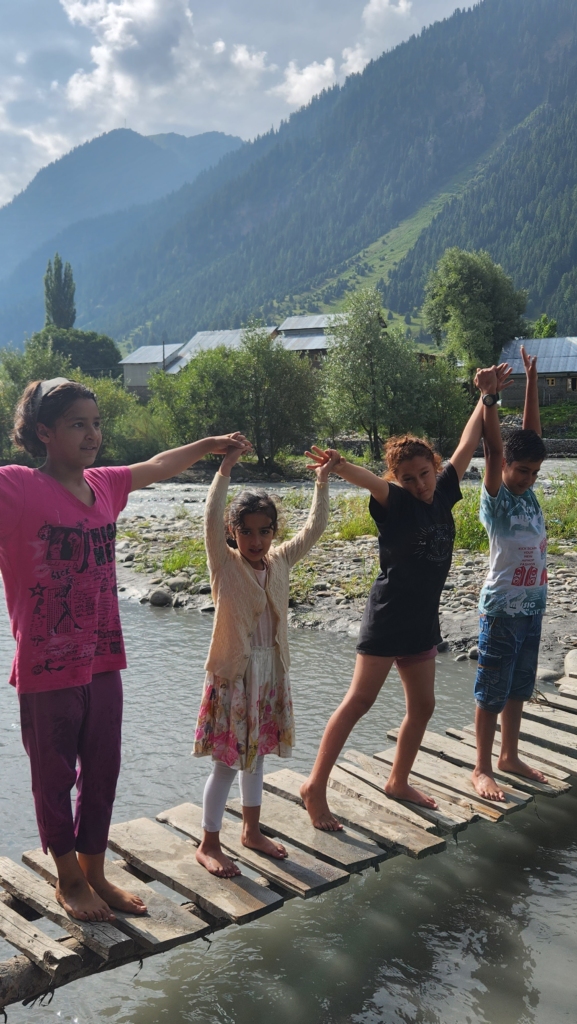
Soon, two kids approached, regretful for missing the cookies from the previous night. More cookies, riddles, laughter, and a spontaneous photo session ensued, adding a touch of whimsy to the morning.
As Danish arrived, the joyful shouts of the kids lingered in the air and bidding farewell echoed.



Our destination for the day was Chakiwal, located in the most remote valley of Tulail. Chakiwal, supposedly the last village on the Indian side of the LOC. Danish warned that we might not be allowed up to Chakiwal due to the proximity to Independence Day. I reassured him, saying we could go up to point we would get permission, avoiding any unnecessary risks. Post my trip, I read recently that this road has been opened for tourism up to Drass. Wow, that would be a ride I’d love to experience!
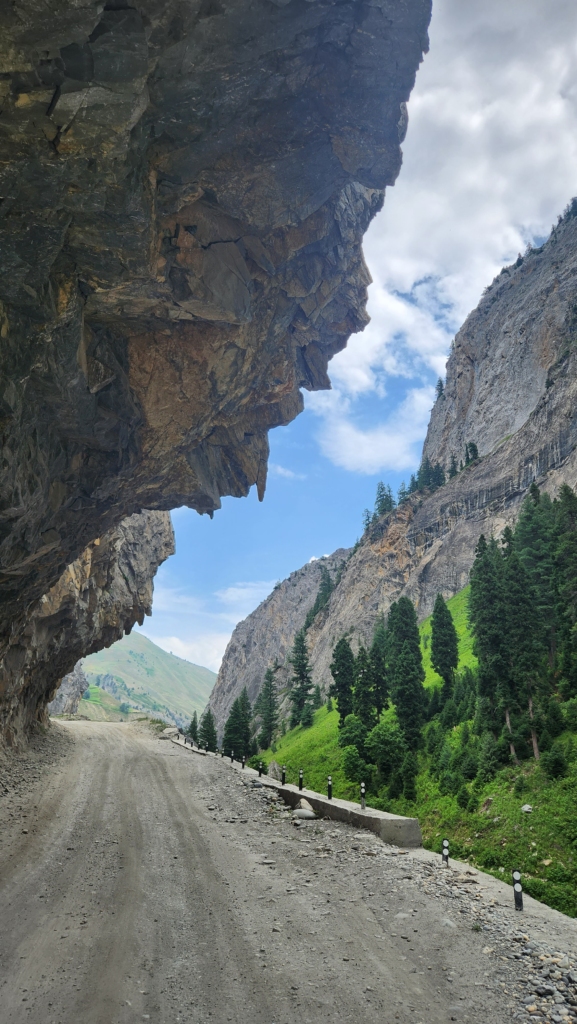
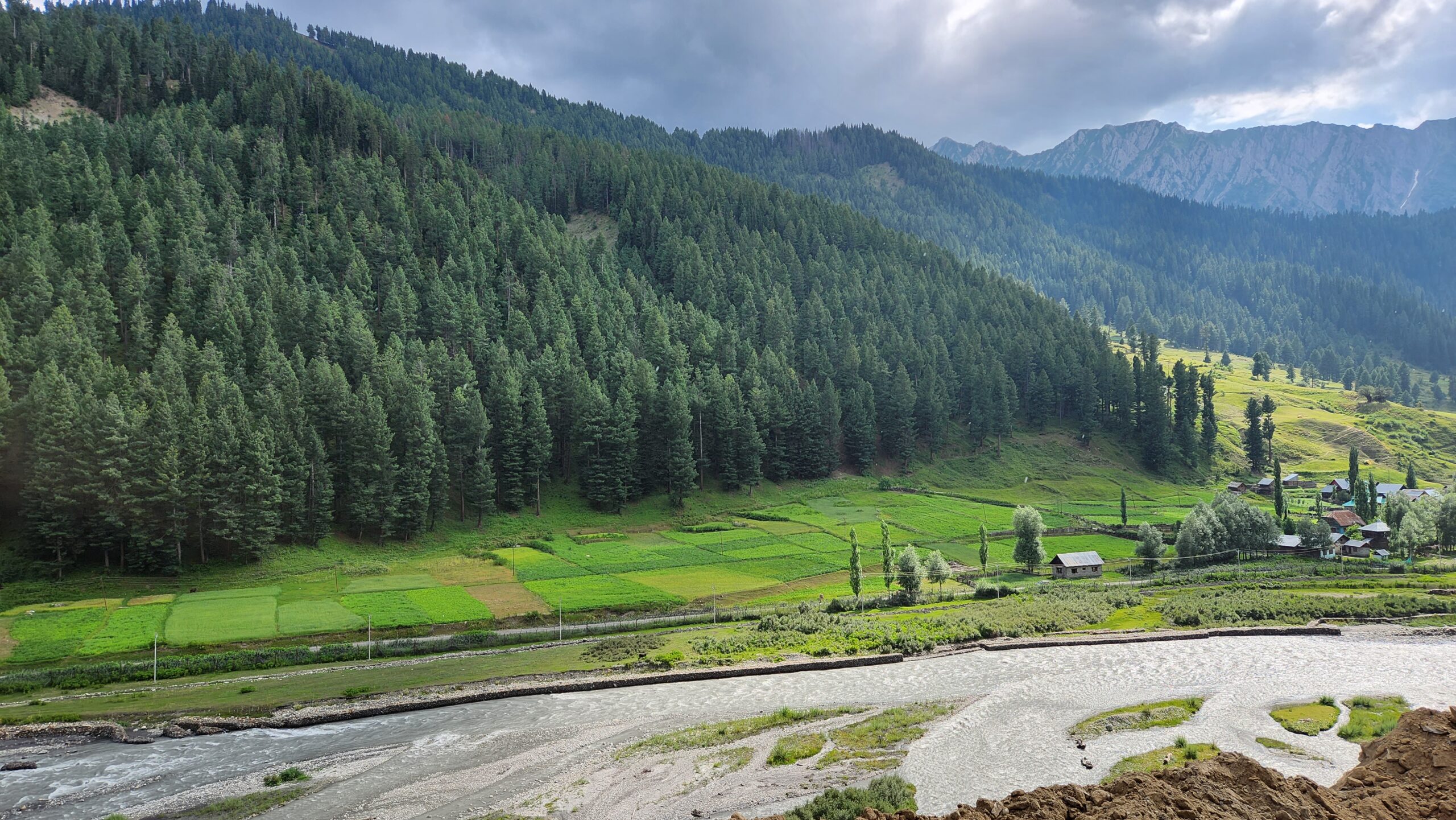
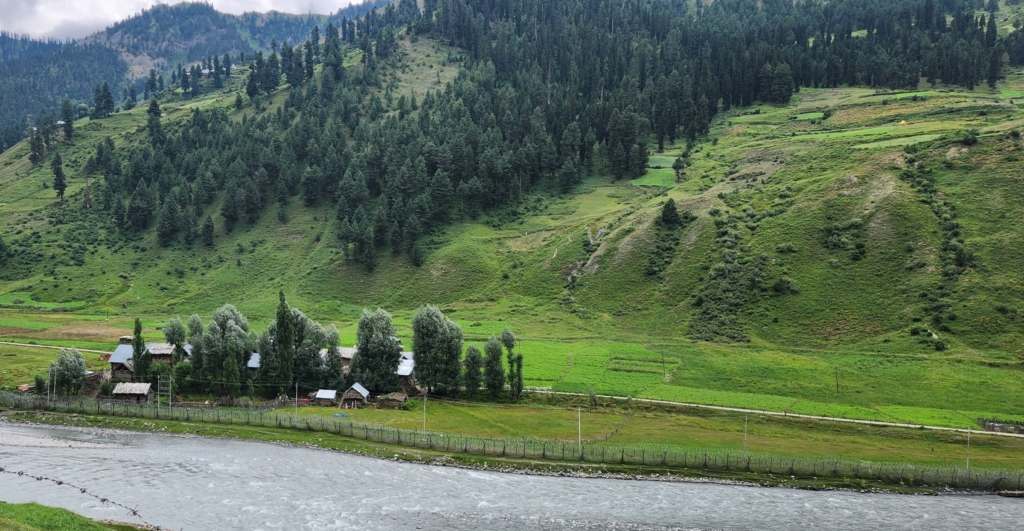
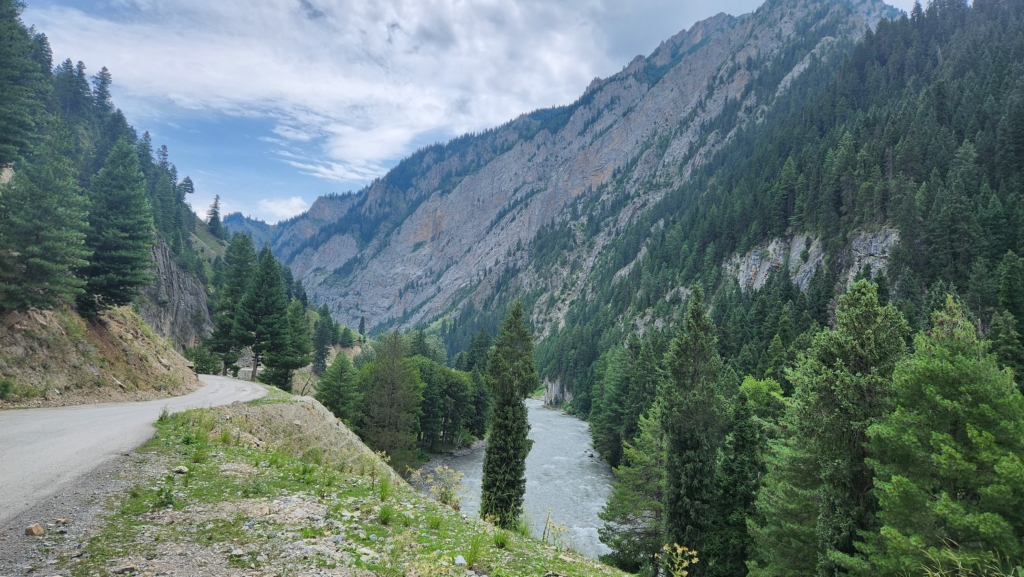
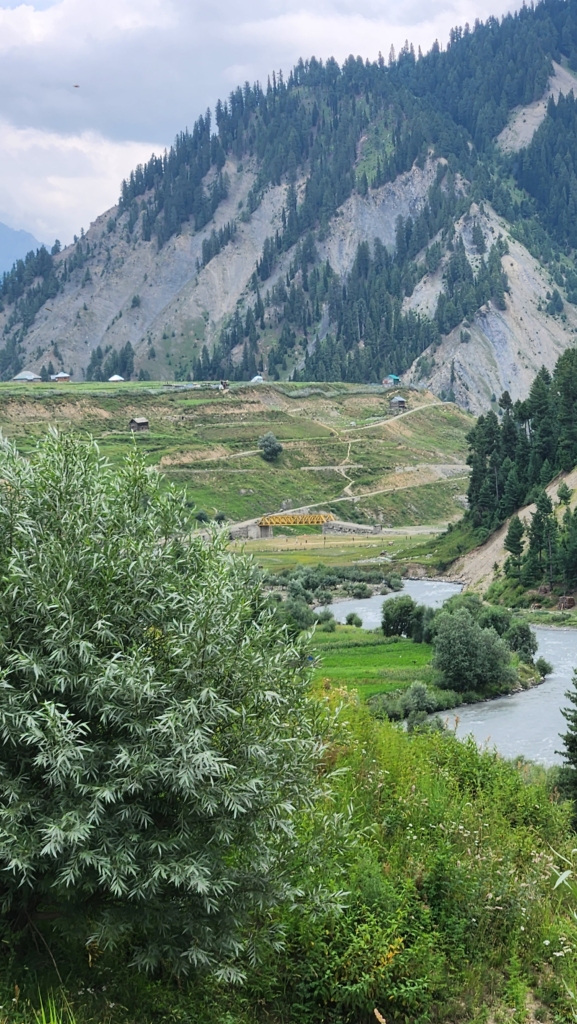
The initial part of the road is through between two mountains, very close to each other. The Kishanganga River accompanies the road throughout the journey. As the river is compact here, you can hear the water gushing down, the natural slope doing its work. After covering a small distance, the tar road gives way to a dirt track.
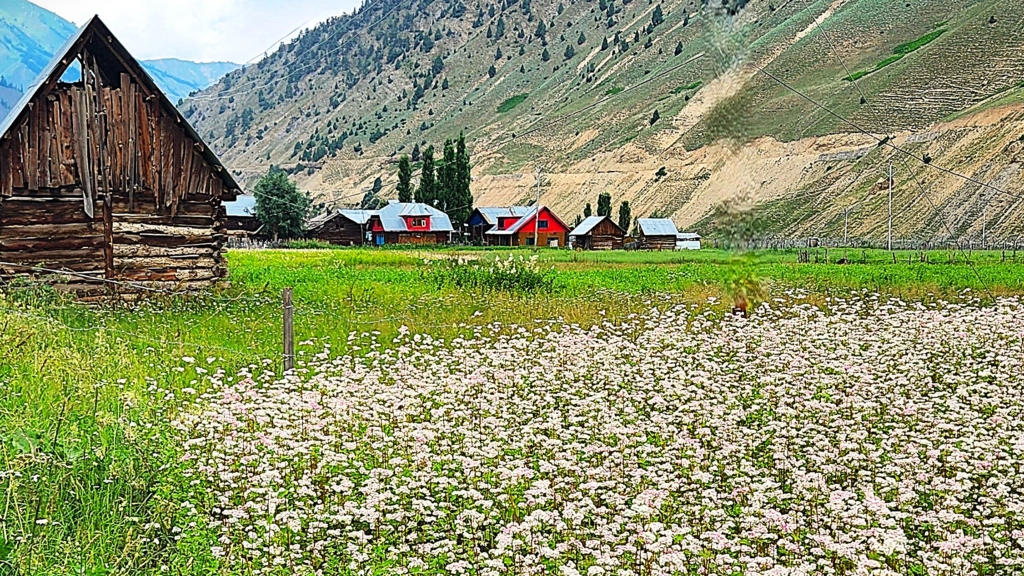
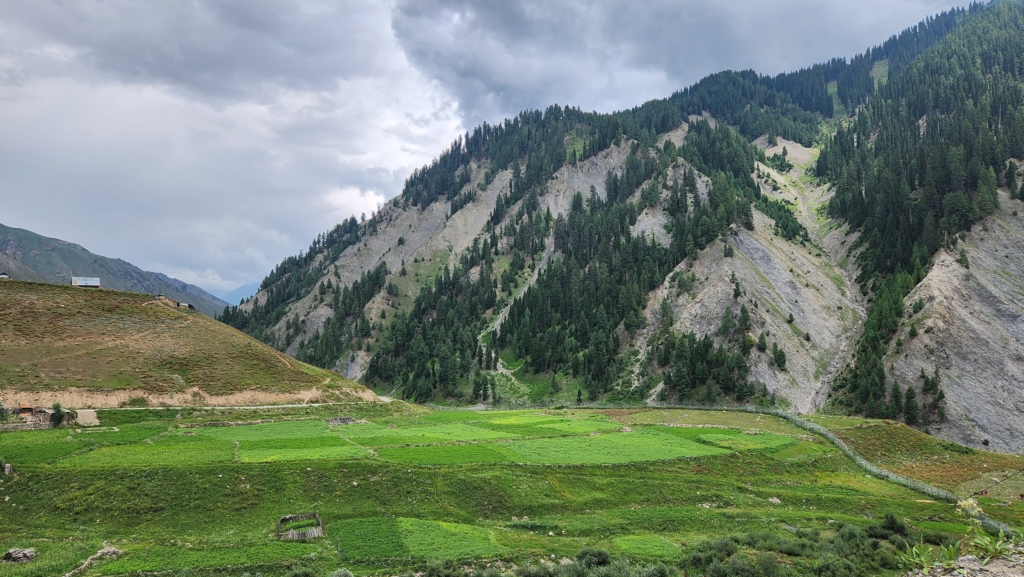
Soon, the rocky-mountains on either side of the road landscape gave way to a wider valley topography. We started to see bright green pastures of land parcels. The valley was dotted with cows grazing, honeybee farming, school kids playing, and the river flowing lazily. The entire scenery resembled a postcard picture. The photographs cannot justify the natural surrounding beauty.

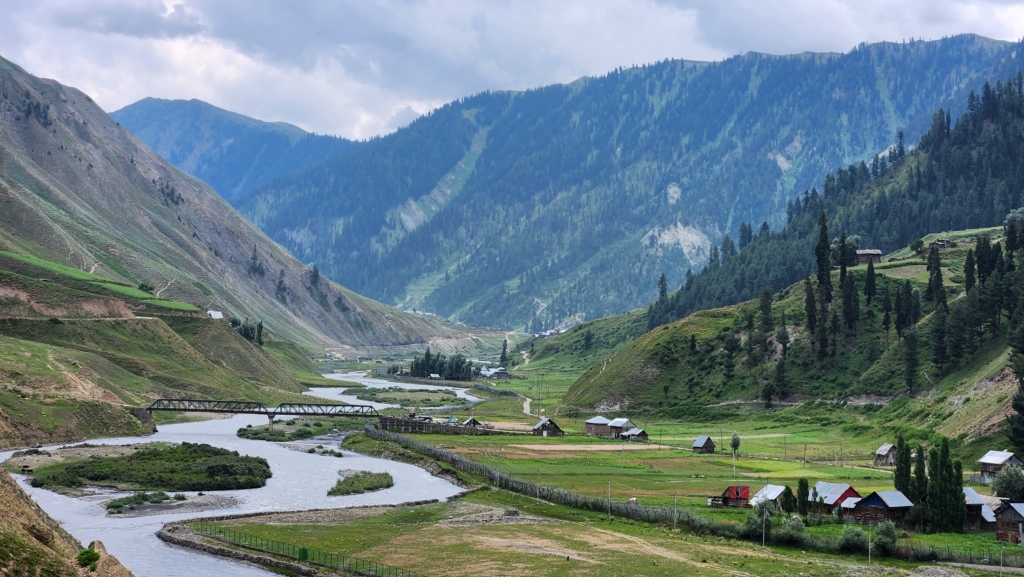
As we drove through the landscape, it occurred to me that nature is so disciplined, discharging its parts selflessly and relentlessly. The whole ecosystem functions with precision. There is something for us humans to learn. On the contrary, we humans have tried to change the natural flow path of these elements of the ecosystem. We build dams, pollute the air, consume food indiscreetly. To counter human interventions, nature revolts, and some of us perish.
Yeh khitaye Kashmir hai,
jannat ki tasweer, insaniyat ki dastaan,
har zarre mein tehreer
Urdu poet, Rifat Sarfaosh says – “This is land of Kashmir, an image of heaven, and a tale of humanity, is written in every particle of this land”.
These lines beautifully capture the essence of Kashmir as a place of beauty and profound human experience. It emphasizes that the beauty and humanity of Kashmir are inherent in every aspect of its environment. The word “particle” suggests that even the smallest elements of the land – its soil, air, water, and flora – carry the weight of its beauty and history.
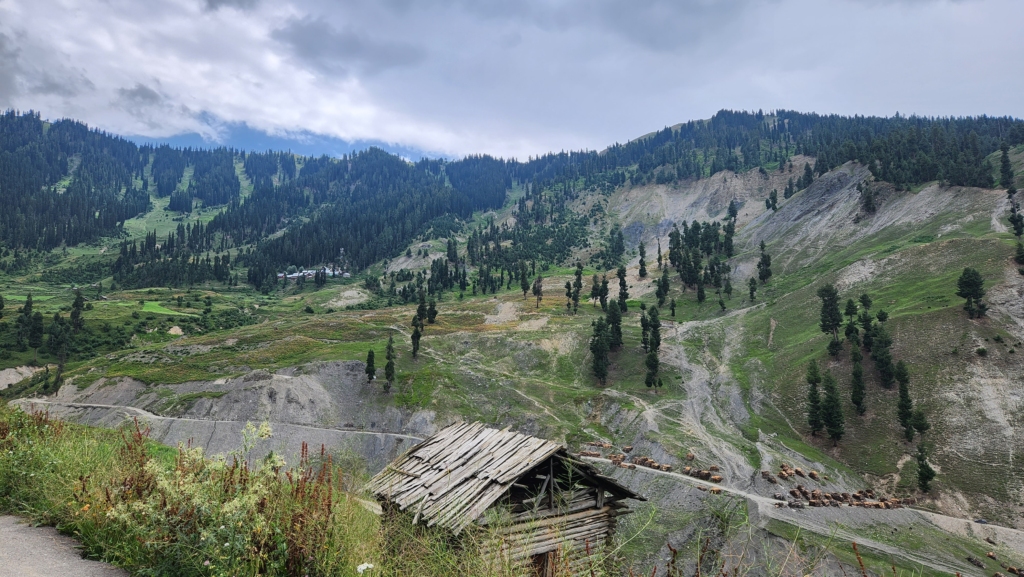
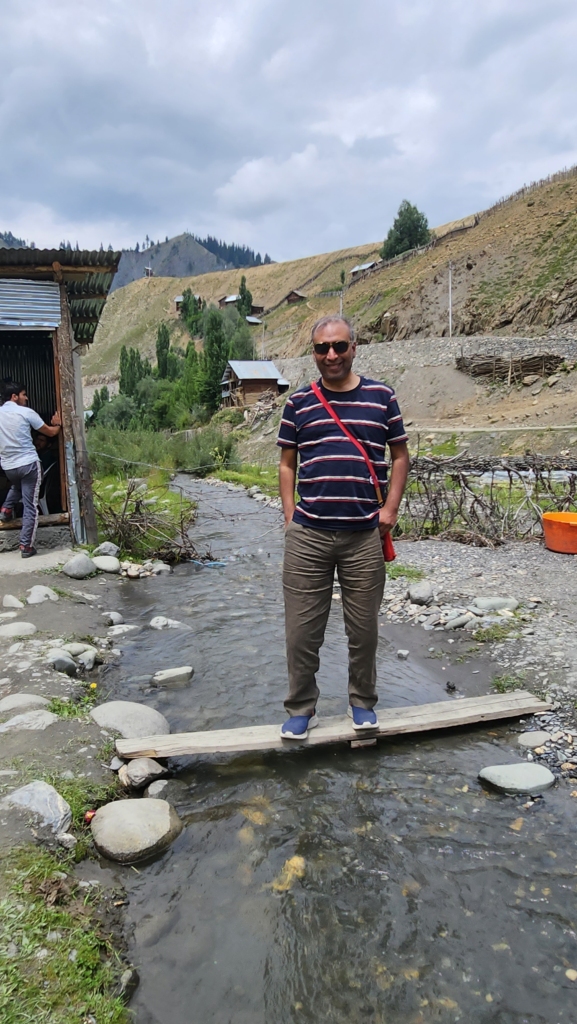
We paused at a quaint tea shop. I could only imagine that Tulail Valley was a mere small segment of the Gilgit region, is divided by the LOC. Oh, the travel dreams we could chase if only we could traverse without constraints.
As I expressed my desire to explore Gilgit one day, Danish’s eyes sparkled with excitement. “I have relatives on the other side of the border”. Let’s plan a trip”, he added. The seed of curiosity he planted sprouted into a question from me, “Is there any legal passage to enter POK from Tulail Valley or nearby?” Danish replied with disappointing “No”. The discussion ended, but the images of Gilgit lingered in my mind, earning a spot on my travel bucket list. Yes, indeed, I have different buckets.
As we passed a village brimming with life, Danish halted the car to exchange greetings with an old man cradling a child against his chest. Turning toward my bag in the backseat, Danish fetched a chocolate bar to gift to the child. I marvelled at how Danish had discovered my secret stash. The child beamed with joy and bid us farewell.

Throughout the trip, I observed that English words like goodbye, hello, hi, failed to evoke any response from village children. Instead, they would scamper away. I couldn’t help but wonder whether they were unfamiliar with these English words or simply frightened by the sight of a brown bear like me. I fervently hoped it wasn’t the latter. Surprisingly, a simple handshake coupled with a goodbye worked wonders.


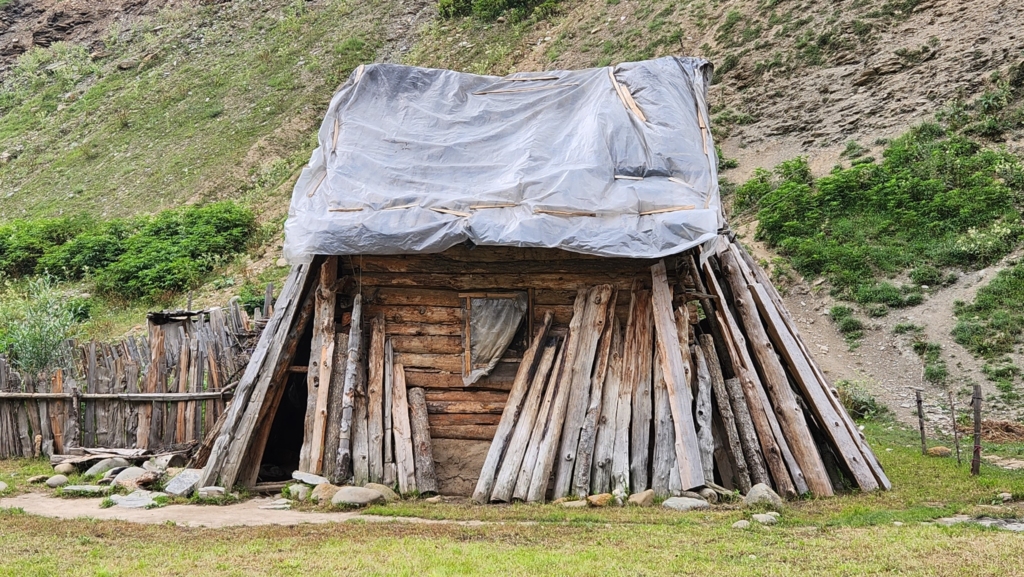
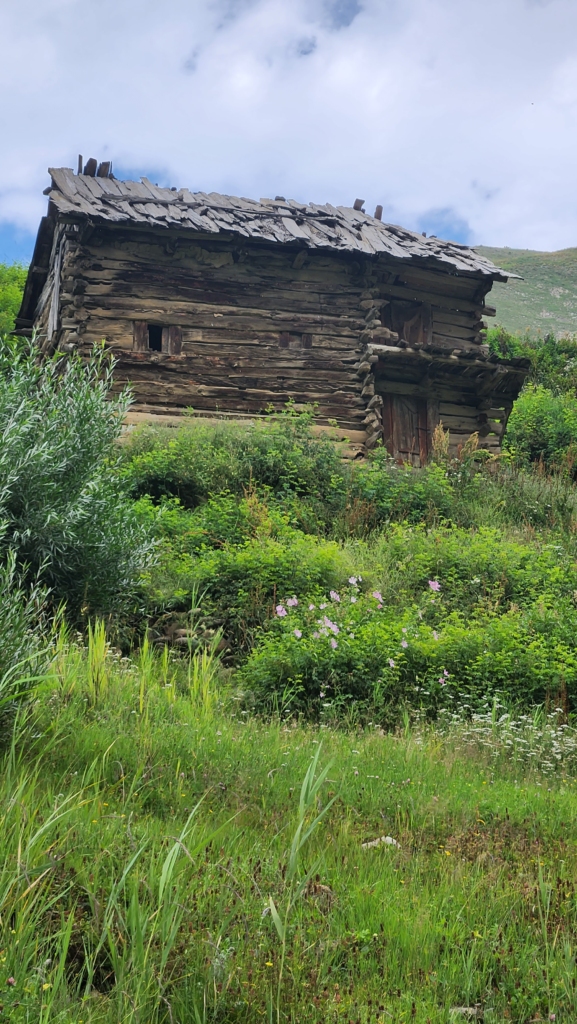
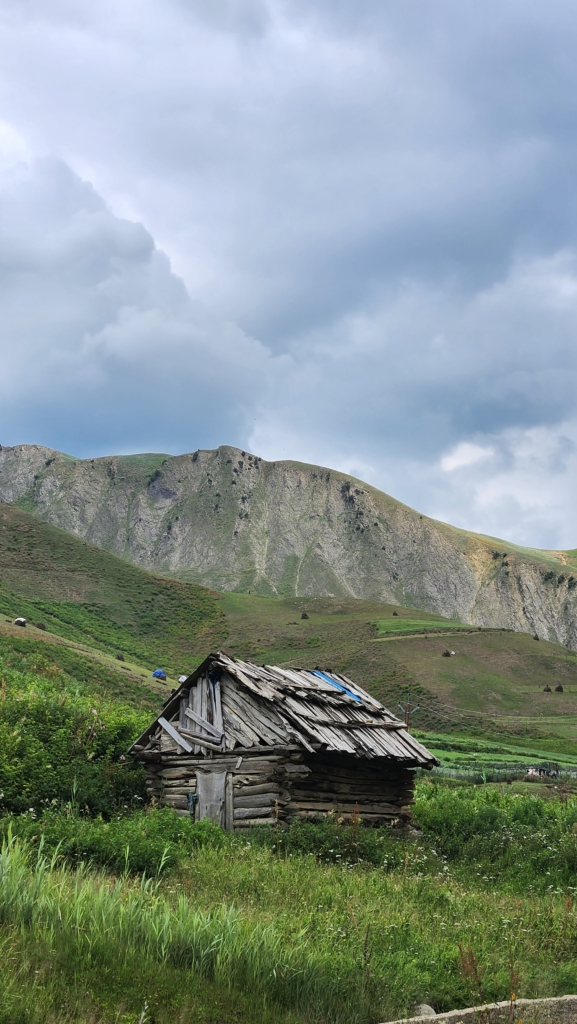
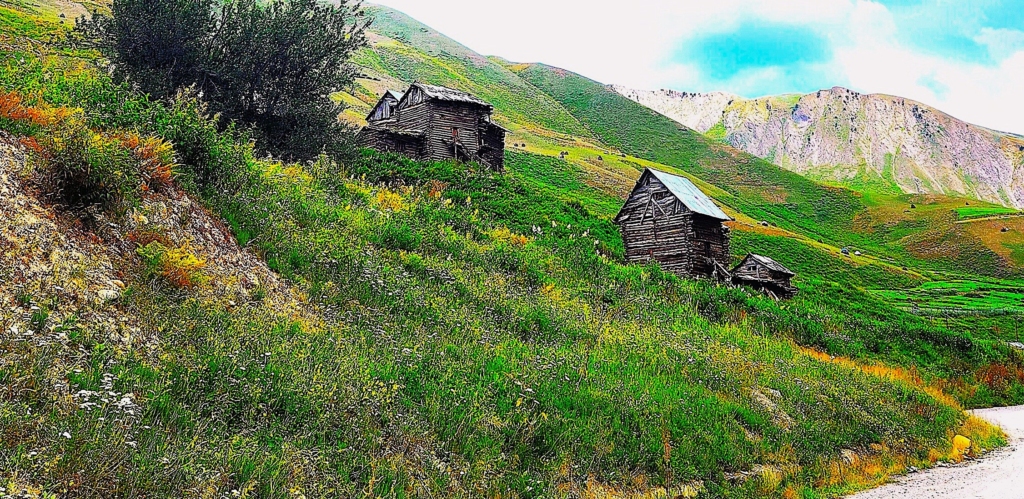
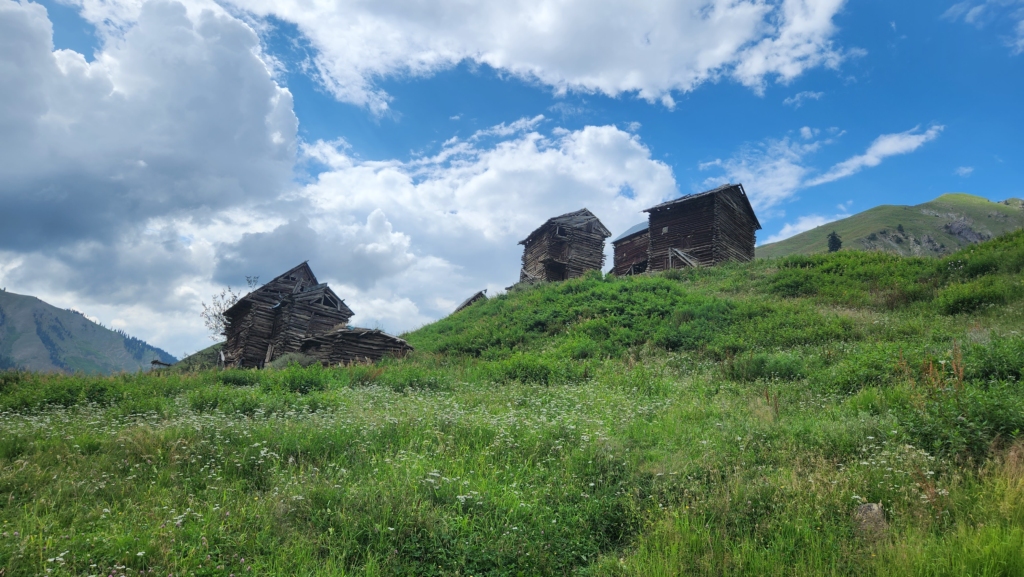
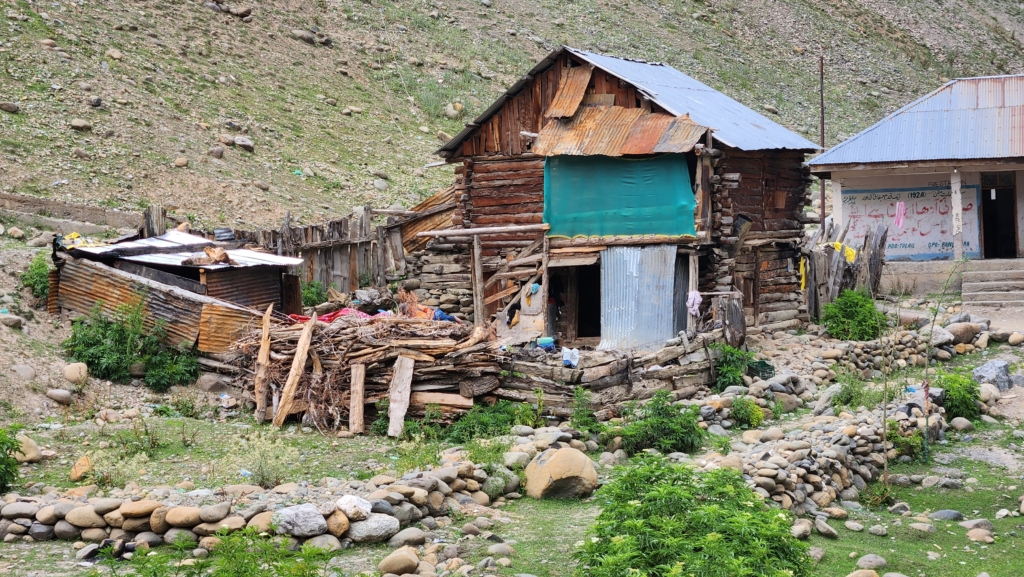
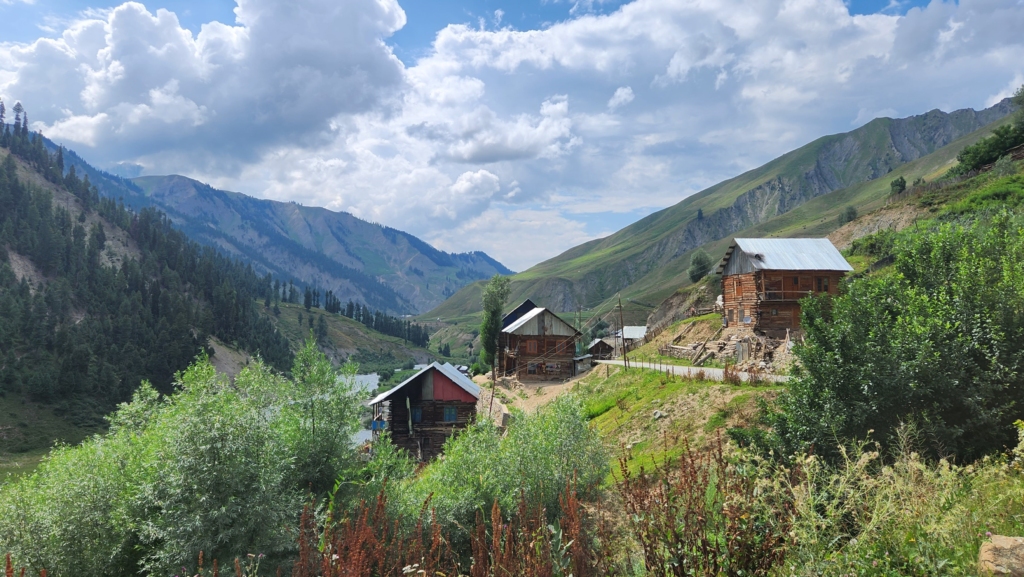
I noticed that the villages on the other side of the river were tightly-knit, with fewer houses surrounded by trees, exuding a captivating beauty. The roadside villages appeared ancient, frozen in time. Most houses were constructed with wood, seemingly stacked like Lego blocks. What seemed like an exterior wood stack probably was held together by mortar from inside, made of local mud and clay. I regretted not stopping to visit any of these houses; they looked enchanting from the outside, possibly why tourists were drawn to this remote area. Many of these houses featured patchwork with tin sheets, covering portions damaged by rough weather and wood decay.

Tin roofs adorned most houses, although the dull clouds veiled the sparkle of the sun. Capturing a photograph of a gleaming tin roofed wooden house was high on my agenda, had the sun decided to unveil itself.
I wondered how these villagers endured the harsh winter. Unlike the Gurezians who migrate during winter, these villagers stay put, necessitating provisions and arrangements for warmth. I observed that these houses had small windows, to retain warmth or keep the harsh cold at bay. The newly constructed or renovated houses boasted glass windows, solar panels, and modern amenities.
Danish gestured toward the chimneys protruding from each house, calling them bukharis, the heating arrangement. Essentially, it is a combustion chamber where wood or coal is burned, with a small tube leading outside to vent the smoke.
Regardless of the conditions of these houses, life appeared challenging, especially during the winter months.
The native people of Tulail Valley are predominantly tribal, known as pickers and foragers. In the frigid winter, amid sub-zero temperatures, they scale the heights of the Himalayan range to gather herbs with medicinal properties. Communication channels were restricted to mobile / data networks, if available, or through word of mouth flowing from one village or town to another. It sounded primitive, but imagine a day in the life of Tulail villagers.

Having crossed another check-post to enter Sheikhpora, we entered what I consider one of the most beautiful villages in India. The sheer beauty of the village is often a testament to the effort the locals put into preserving it. Here, houses stand at a distance from each other, perhaps owing to the fields that lie between them.
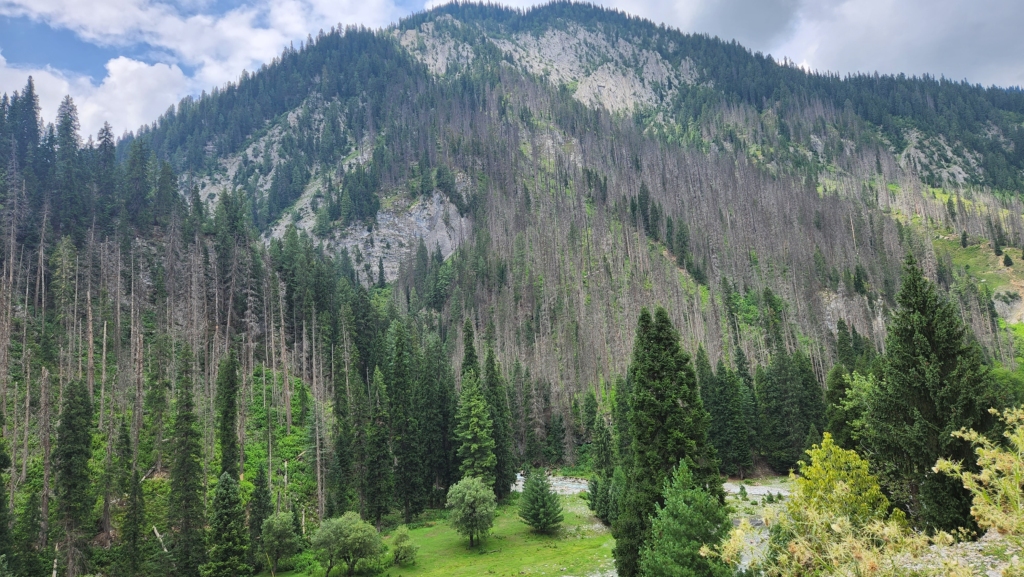
The village sits close to a dense forest, with a river meandering gently nearby. A new university building has sprung up, a testament to progress, catering to the local community.
We spent a considerable amount of time sitting at a charming tea stall on the riverbank. It’s the kind of place where time seems to stand still, waiting for us to decide whether we have the heart to make it linger. I yearn to return and camp at Tulail Valley for a few days, exploring each of these villages, one day at a time, with no rush in my heart. My desire was to wander a bit deeper into the forest, but Danish showed no sign of consent. His familiar refrain, “Sir ji, yeh sensitive area hai”, echoed, and I promptly fell in line.
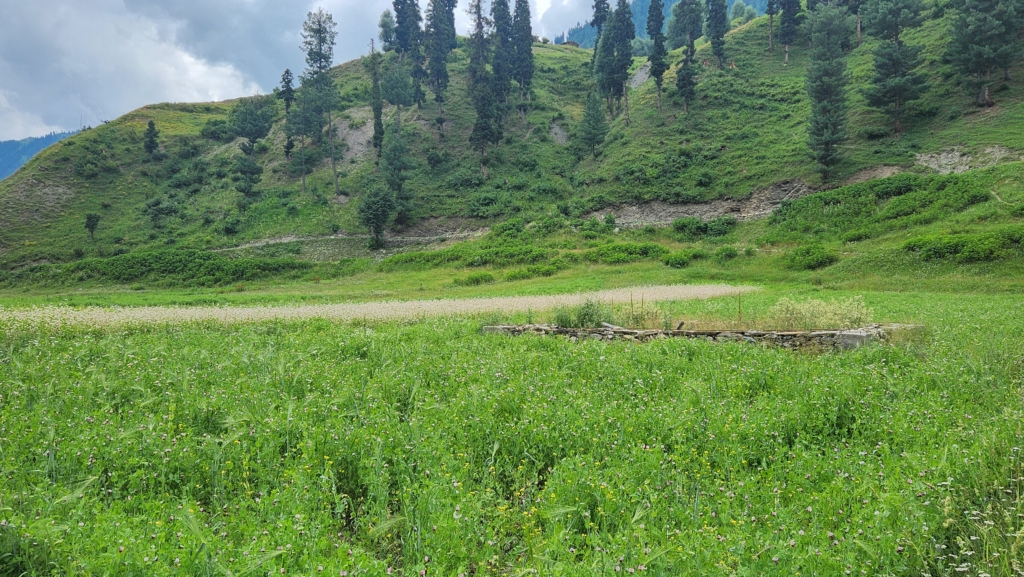
Upon leaving Sheikhpora, we began our journey towards Chakwali. We reached Gujran, about 20 km. before Chakwali. At the check-post, we were informed that he couldn’t permit us to go up to Chakwali. However, acknowledging the journey from Mumbai, he granted us permission to proceed upto the next check-post, about 7-8 km further. I asked Danish if we would witness anything different from what we had already seen. I sought reassurance from Danish. We thanked the personnel at the check-post and turned our car back.
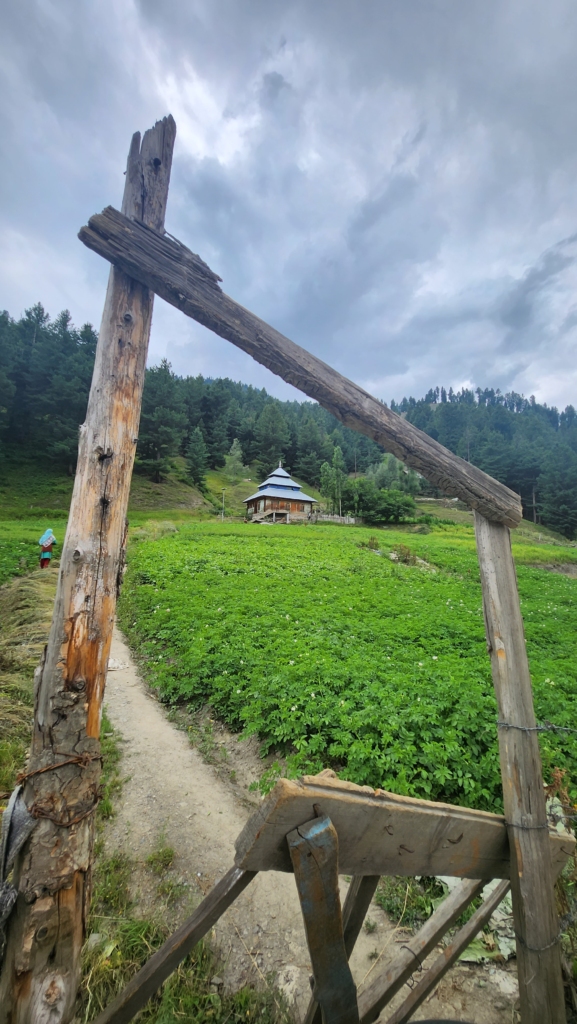
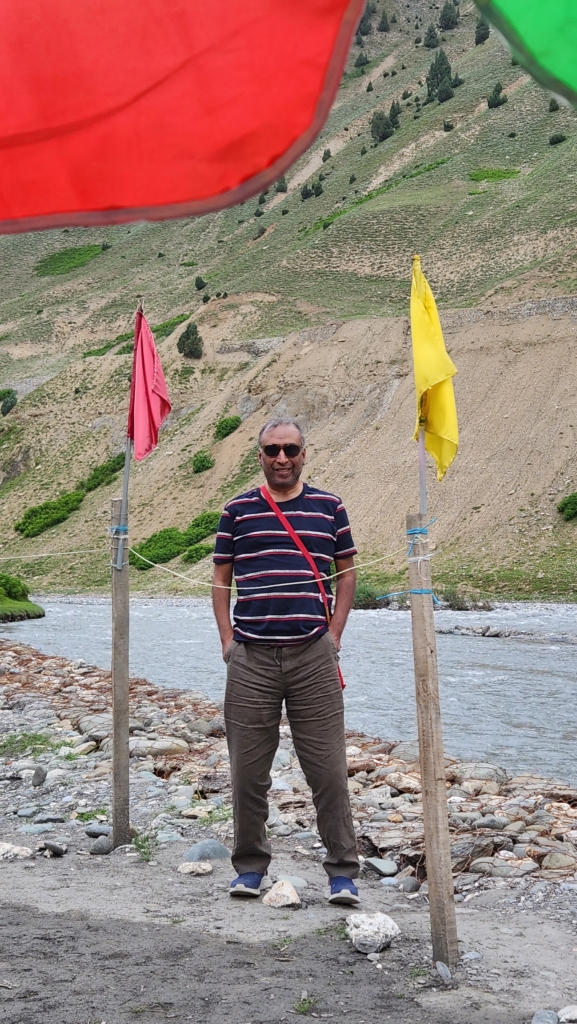
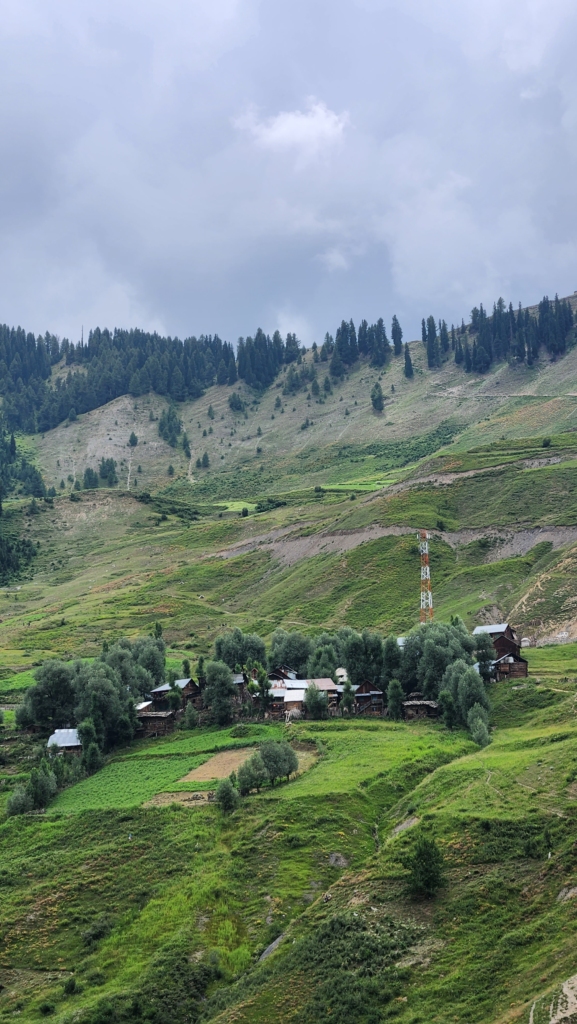

On the way back, most of the village markets had closed for the day, rendering the roads desolate, evoking a somewhat eerie feeling.

Danish seemed preoccupied with something, a matter that had likely troubled him for some time. He asked if he could pose a personal question, delving into inquiries about my health and family. He expressed genuine concern, wanting to understand how I would care for myself in old age.

What I observed in the region was that people pitied those without brothers as their own siblings. Danish fretted over who would take care of my aging parents and, subsequently, me. I had no concrete answers to allay his concerns. I questioned him, wondering if it was possible to insulate ourselves from the myriad situations and circumstances that life throws our way.

As we neared Gurez, Danish took a slight detour toward the river, eager to cleanse his vehicle of the day’s dirt.
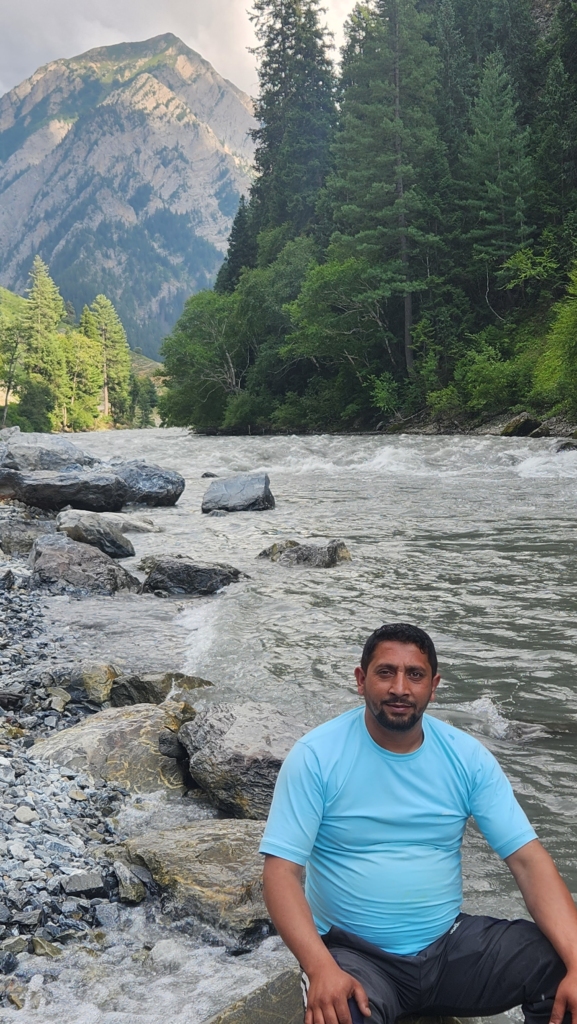
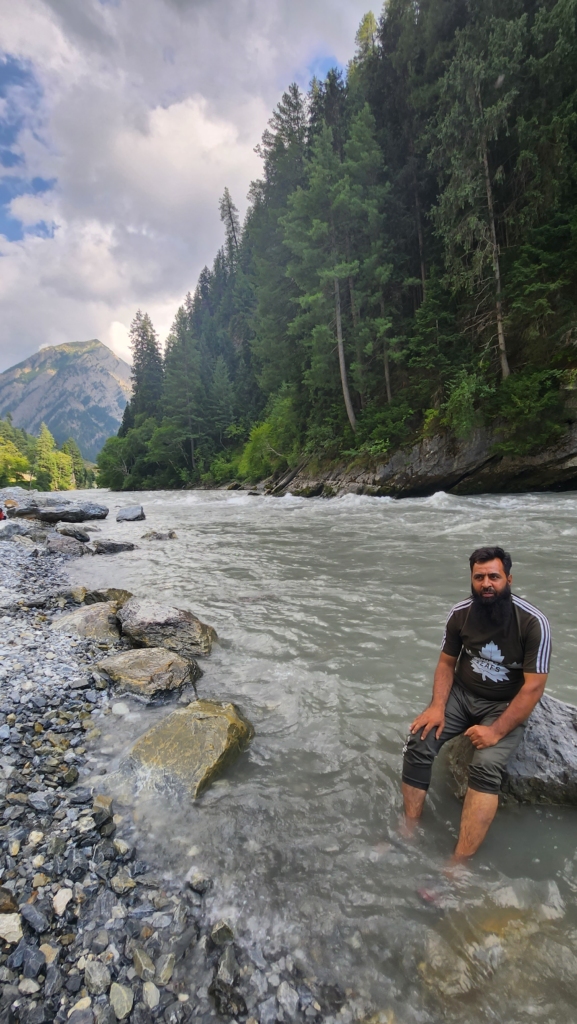
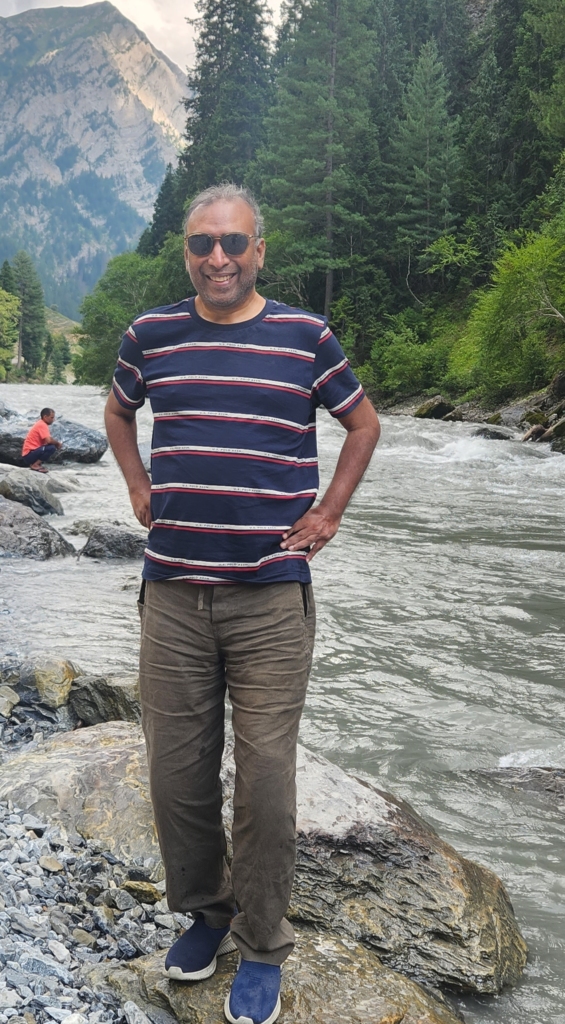
A group of 5-6 men were fishing nearby. While Danish tended to his car, I approached the group for a chat. They were a cheerful bunch from Srinagar, having ventured to Gurez for a taste of fresh trout. Displaying their prized catch, they tried to evoke envy, but I, being a vegetarian, remained impervious. Laughter ensued, and they kindly offered me a bottle of coke, cooled by immersing it in the river for ten minutes.
They inquired if I had beer at my hotel, as they had forgotten to carry any from Srinagar, playfully blaming each other for the oversight. With a plentiful fish haul for their dinner, complete with all the cooking essentials stowed in their vehicle, they bid us farewell.
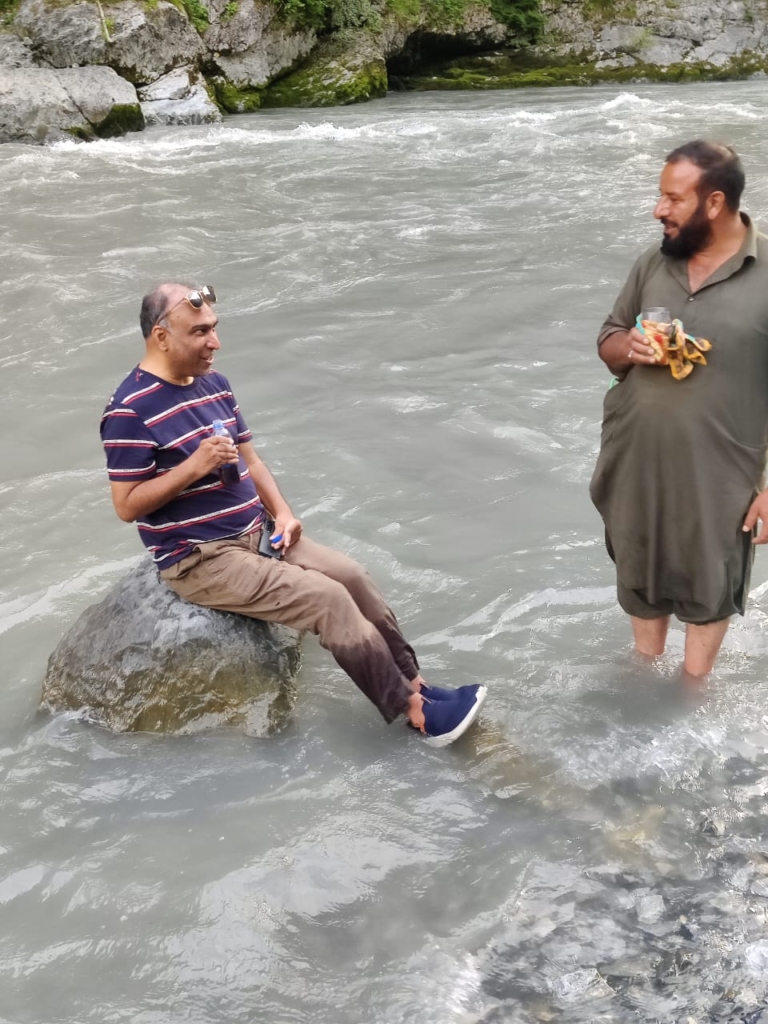
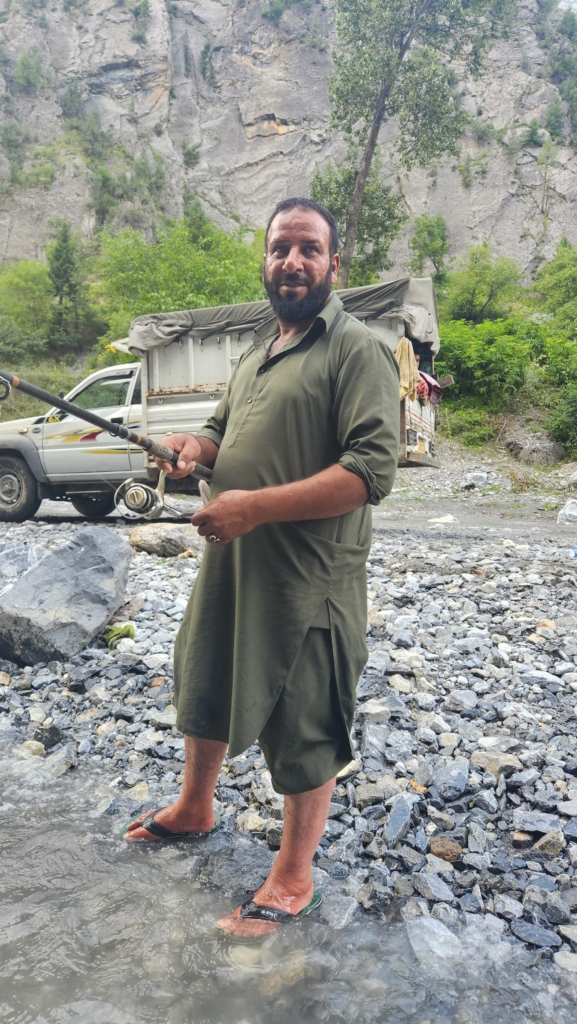
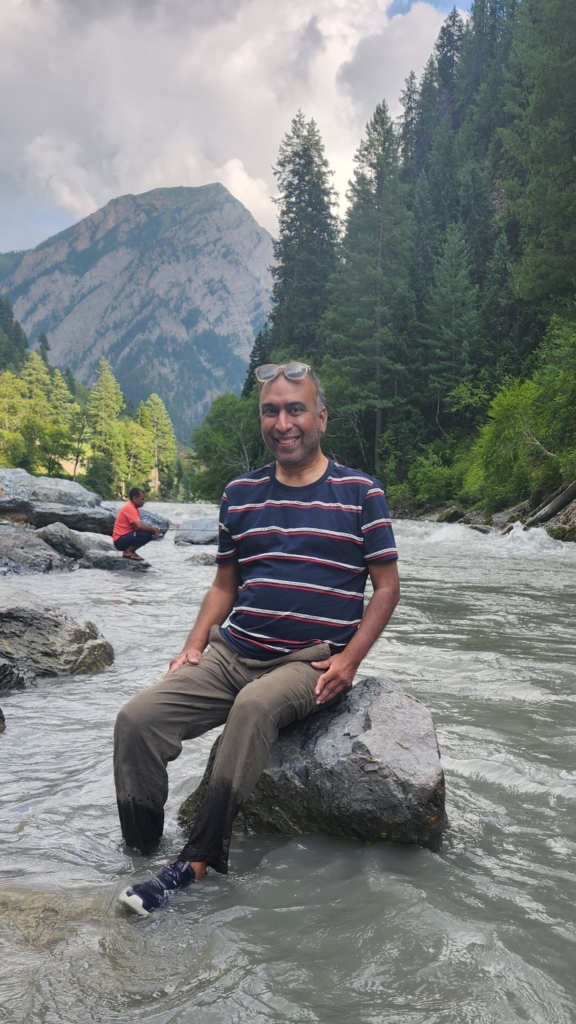
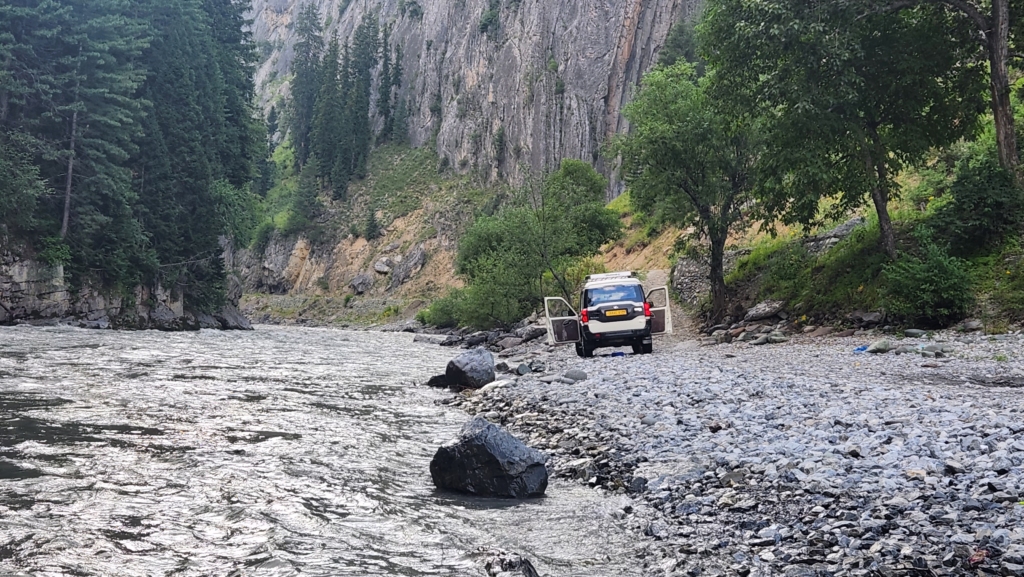
Having bestowed the car with a well-deserved spa, Danish brought the car to a halt in front of a resort. With pride, he exclaimed, “Sir ji, welcome to my brother’s resort.” My eyes widened at the enchanting location and Danish’s humble establishment. As we entered, a young boy named Shakeel rushed over to greet me. He was the fourth brother whom I had met at the Gurez Festival. Danish mentioned that Shakeel managed this camp. Danish introduced another handsome man, saying, “Sir ji, my brother, Shabir – owner of the resort”. I had genuinely lost track of the number of brothers Danish had. Shabir primarily worked with the local government administration, lending him an authoritative air. Judging by his appearance and stature, he seemed to be the eldest brother unless there was another concealed sibling somewhere in Gurez.

He recounted how the people of Gurez had lived perilously due to constant shelling from across the border until a few years back. Pointing towards a small, desolate building a few meters away, he narrated how it was once a school that fell victim to shelling from across the LOC.
Fortunately, there were no casualties, and the army camp, which was nearby, was subsequently relocated. In recent years, cross-border shelling has ceased, prompting the Indian government to initiate tourism in this area.
I requested Danish to drop me at the army’s café, where I wished to savour some items on the menu. Cold coffee had become a personal favourite. Iqbal eagerly awaited my return to take my dinner order. The three sisters’ families were out for a city tour, rendering the campsite tranquil. After a quick refresh, I decided to ascend to the dining area.
A family of three from Kolkata had checked in that afternoon. Bengalis are renowned as the most versatile travellers among all ethnic Indian communities, perhaps second only to the Gujarati’s. I knew this because in 2007, on a work assignment when I was visiting Chitkul (Himachal Pradesh), the last frontier village on the borders of India and China, there was just one hotel in the entire village, with a signboard in Bengali script. As I inquired with my local driver, and he explained that this village had the highest number of Bengali visitors. There was no specific reason for Bengalis to visit Chitkul; it was simply their innate desire to explore nature that led them to far-flung places.


Since the lady was an avid nature lover, I recommended they should visit Sandakphu, which was in their backyard, to explore the elusive Red Panda. We exchanged goodnight wishes and retired for the day.
August 2023
If you’re planning a trip to Tulail Valley or explore Kashmir, we at HappyHorizon would be thrilled to curate your holiday plans to enhance overall travel experiences. Feel free to reach out to us: connect@happyhorizon.in
Day 4: Bagtore Valley – Read More
Gallery



Sukumar Jain, a Mumbai-based finance professional with global experience, is also a passionate traveler, wildlife enthusiast, and an aficionado of Indian culture. Alongside his career, which includes diverse roles in international banking and finance, he's working on a wildlife coffee table book and enjoys sculpture and pottery. His interests span reading non-fiction to engaging in social and global networking.