Day 2: Kargil – Batalik Sector – Read More
Day 3: Lamayuru – Leh Sector
Lamayuru Monastery – Fotu La – Moonland – Wan La – Alchi – Saspul – Sangam – Gurudwara Pathar Sahib – Leh: 75 km. / 3 hr. / Altitude: 11,562 ft. (Leh)
Tsewang Homestay
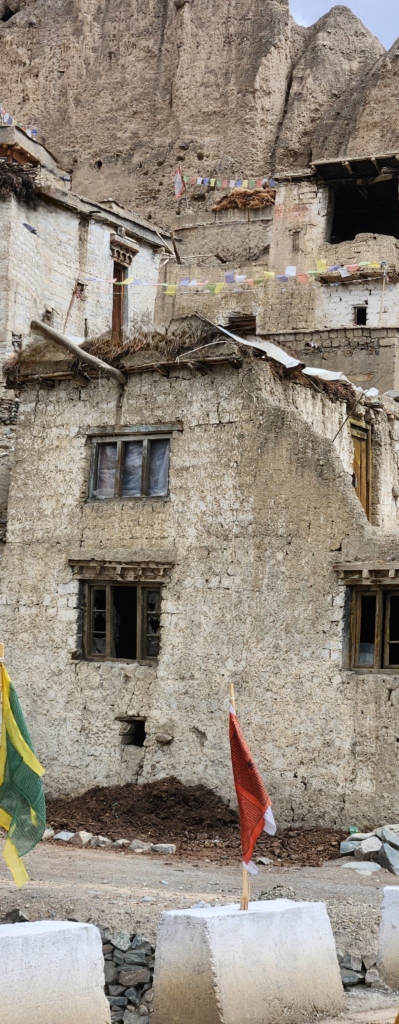
I could hear birds chirping early morning that I could not sleep further, so I decided to park myself in the huge terrace. Last night as it had turned dark and we were all tired, I could not have good assessment of the property. Tsewang had a huge property spread over three levels. The lowest level had about 4-5 rooms for the guests. The middle level was reserved for his residence, which had this huge terrace and the top level enclosed the guest kitchen and dinning area. The top level was at the road level. A typical architectural solution in most of the hilly areas.
I parked myself on the residence quarters level of the building hoping at some stage I can spot someone and ask for morning bed-tea. The sun was about to rise and I could see the mountains across our homestay rising up to meet the sky in a spectacular dance of colours. I was glad that I could experience it first hand.
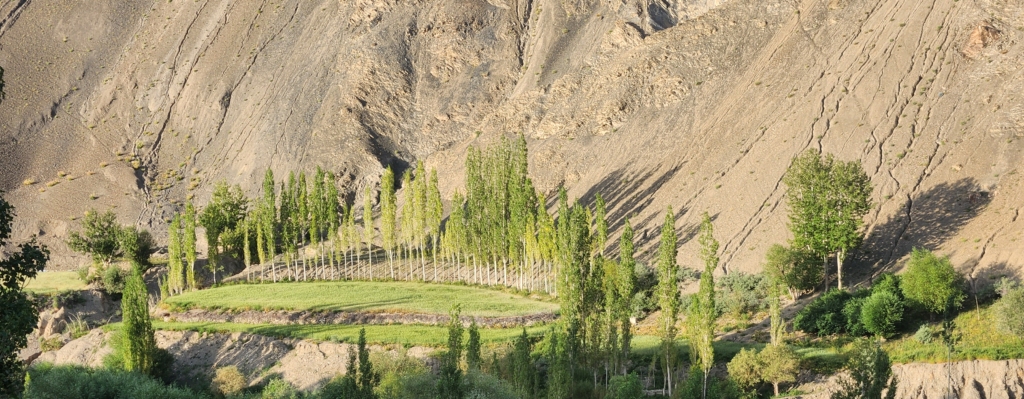
The local village daily life was coming into action slowly. At the far end, I could see the farmers already in their fields, diligently tending to lush green meadows. The religious people were heading to the monastery for their daily chants. People who were on rush and could not head to the monastery, spun the giant prayer wheel, which was located outside the monastery. The prayer wheel struck the bell as it spun. So whenever people spun the wheel, it filled the entire neighbourhood with the tingling sound for everyone around to hear it.
On the other end of the mountain range, behind the monastery, I could see, some sort of construction work going on. I could see a JCB perched at the top of a hillock and few people around it. Due to the topography and early morning silence, even a small noise was echoing – a perfect amphitheatre acoustics. I thought it was very enterprising for the local people to start hard work so early in the morning.

After some time, Tia, the eldest daughter of Tsewang woke up. I requested if I could get a cup of tea. She was kind enough to add some more water to the kettle as she was preparing it for herself too. She got herself immerse into her morning routine of cleaning the terrace and lighting incense sticks and placing it in a small glass cage, which had a pipe attached running right up to the top of the house, to let the smoke out. In most of the culture I have seen people burning incense sticks inside the house, it was for the first time, I was seeing it burn outside the house. I did not bother to interrupt the lady in her rituals and later I forgot to ask the family about the tradition.

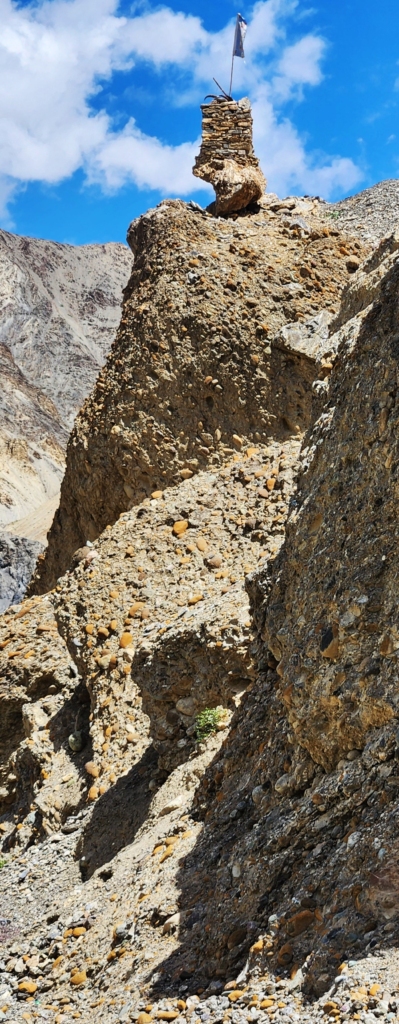
Tia joined me with our tea. She explained that the inscription on the mountain was a Tibetan holy chant. She said that when she was younger, she had climbed up the mountain, although she was humble enough to say that probably she wont be able to do it now. She had climbed up the mountain at the instruction of the priest, to hoist Tibetan prayer flags and build tower of flat stones. It was supposedly a spiritual way to cure ailing family member.
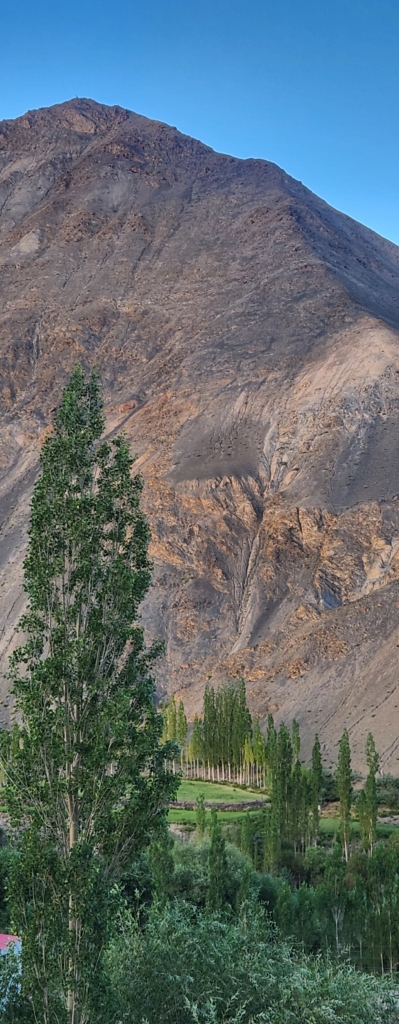

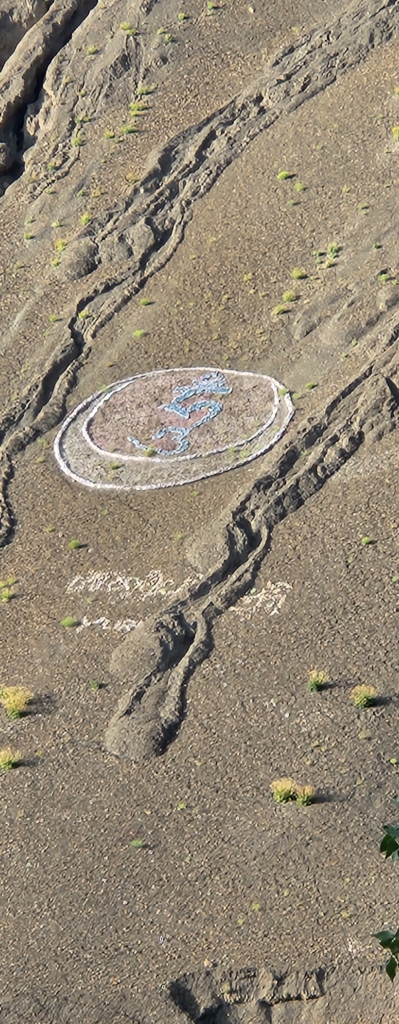
Tia had a love marriage and now settled with her husband in Uttarakhand. She preferred to return to Lamayuru during summers as she found Uttarakhand too hot. According to me she was having best of both the worlds. Her husband was a part-time chef. During summers, while she was in Lamayuru, he took cooking assignments in Ladakh. Currently, he was working in some restaurant near Khardung La. I said to her that we were going to travel through Khardung La the following day and if she wanted to send a love letter to her husband. We could carry it for her and surprise him. She laughed and jokingly said that these days all the romance was completed over WhatsApp and video call.

Tia summer visit was also helpful to the family, as she could extend a helping hand to manage the homestay during the coinciding peak tourist season. As our discussion swirled around early construction work on the mountain top, she said that some local celebrity had come down to Lamayuru to shoot for a commercial for JCB. Probably, they were up there to capture the early rising sun as a background for their shoot.
Tsewang joined us after sometime. He was employed as the head postmaster in the local post-office. On the side, he took local construction contracts. Based on the construction knowledge he had gathered over the years, he had constructed his current home in a difficult terrain.
He said that they had plans to extend the homestay to accommodate few more rooms. The expansion plan was still in design stage and he was also saving money for the eventual construction.
Tsewang was a man of getting the best deal. He said that the second cars were very expensive in Ladakh, so he had struck a good bargain deal with a dealer in Delhi, at about 40% discount to the prevailing price in Ladakh. He was quite excited and looking forward to his trip to New Delhi later during the month.
As I discussed my itinerary between Lamayuru and Leh, Tsewang suggested that while I was there, we should drive upto Fotu La and visit gompa’s at Lamayuru and Alchi. He said that I could access the caves at Saspol as there were only few steps. With all the knowledge about the region, we decided to have a quick breakfast and leave early as we had included few more stop-overs in our itinerary. As we bid good-bye to Tsewang and family, I shared some goodies with Tia’s kids.
Gopal had decided to stay back and attend important official meeting – a perfect digital nomad.
Fotu La
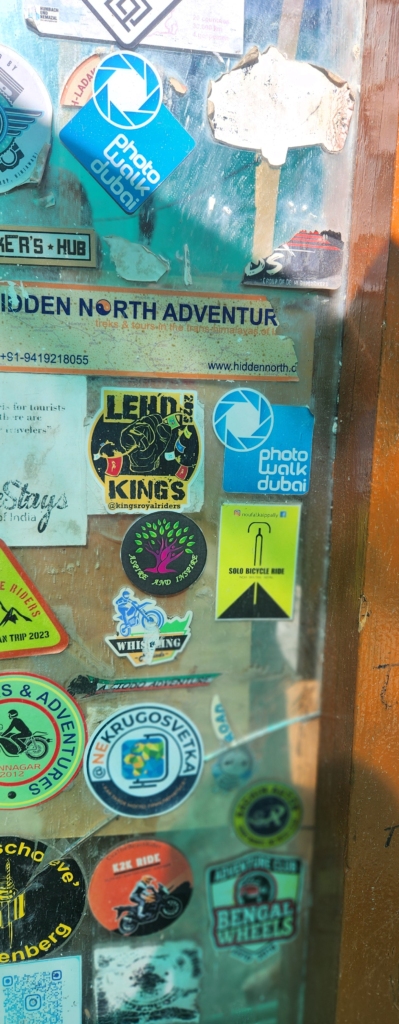
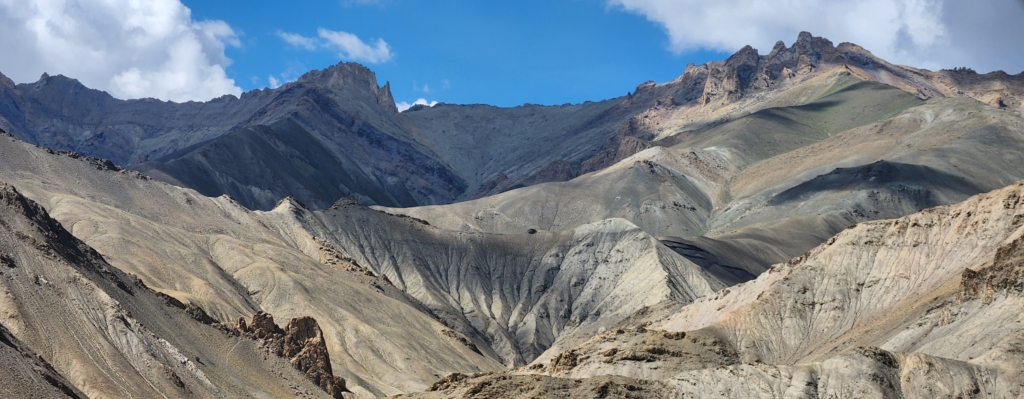
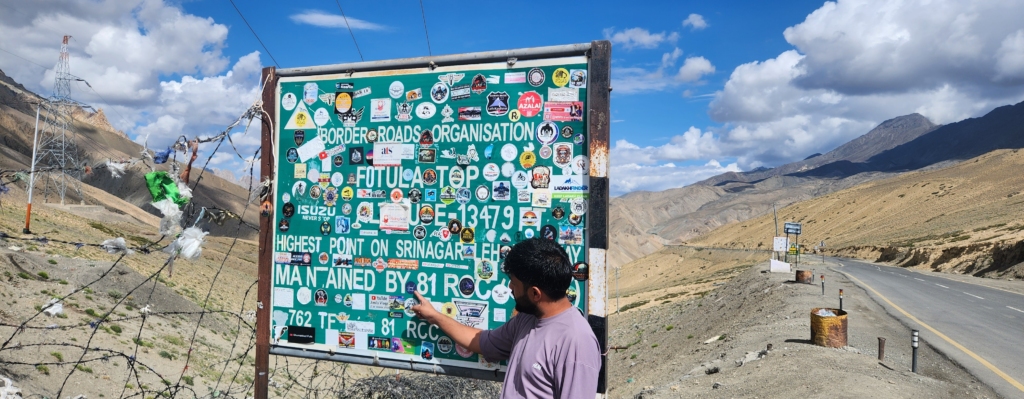
Fotu La was a short drive away from Lamayuru. The pass was at an altitude of 13,479 ft. The drive was very scenic. We were now getting used to topography and nature surprising us with every turn. We clicked some photographs to mark our presence and left behind stickers – HappyHorizon.in

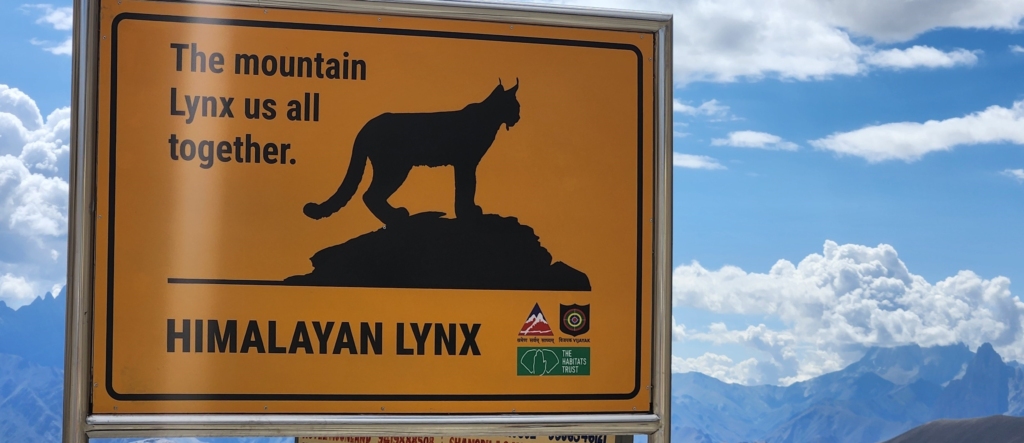
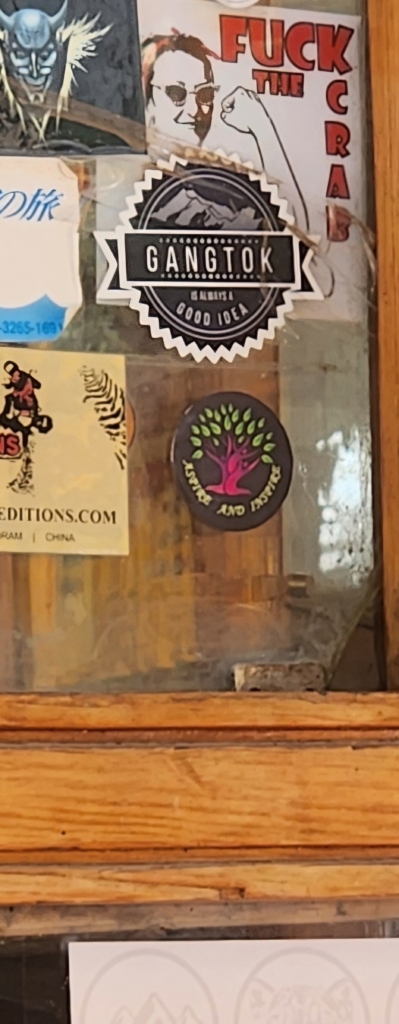
Actually, I have been sticking stickers of “HappyHorizon” and my social initiative “Aspire n Inspire” at several locations along the route. If you happen to be at any of these places, please click a photograph of our sticker and send it across to me. I would be really surprised if it’s still there surviving the extreme Ladakh weather, finger crossed. As we turned around to return back, an interesting road sign caught my attention.

Lamayuru Gompa & Moonland of India
Initially, I had planned to skip all the monasteries along my travel route. However, Tsewang convinced me to cover the two monasteries at Lamayuru and Alchi. I am glad that I took his advice.

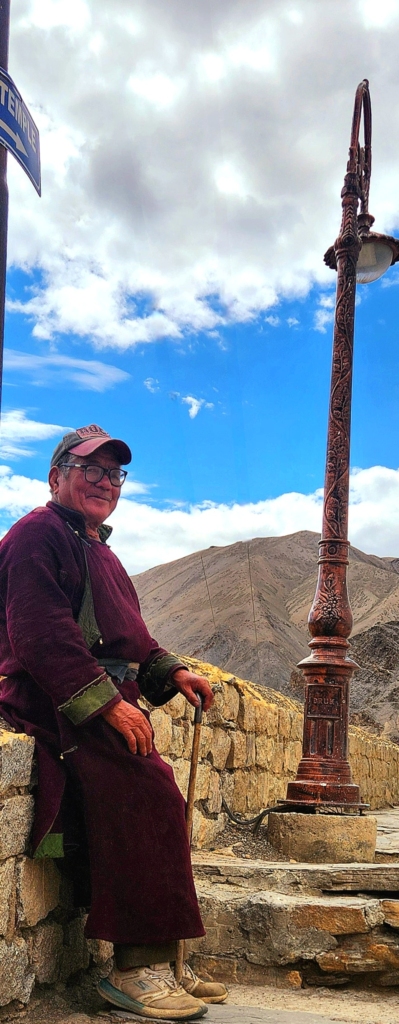
As I walked around the Lamayuru monastery, I met old man draped in traditional Buddhist robe sitting peacefully on the compound wall chanting hymns. As I clicked his photograph and nudged him for a conversation, I realized he could speak little bit of Hindi. So I grabbed the opportunity to know a little bit of history of the gompa. He said that the Lamayuru gompa is one of the largest and oldest gompas in Ladakh and it serves as a residential place for devoted monks to further their learning about religion. He said that the name Lamayuru means “Eternal” in Ladakhi language. I seeked his blessings and bid goodbye.



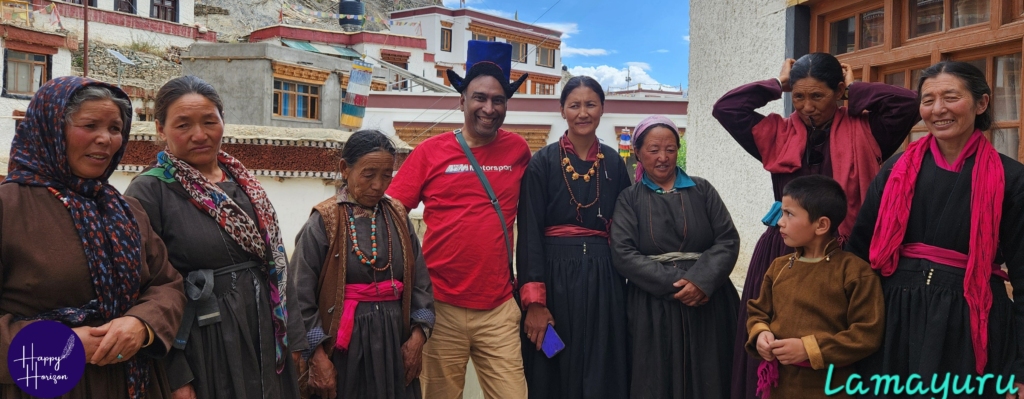
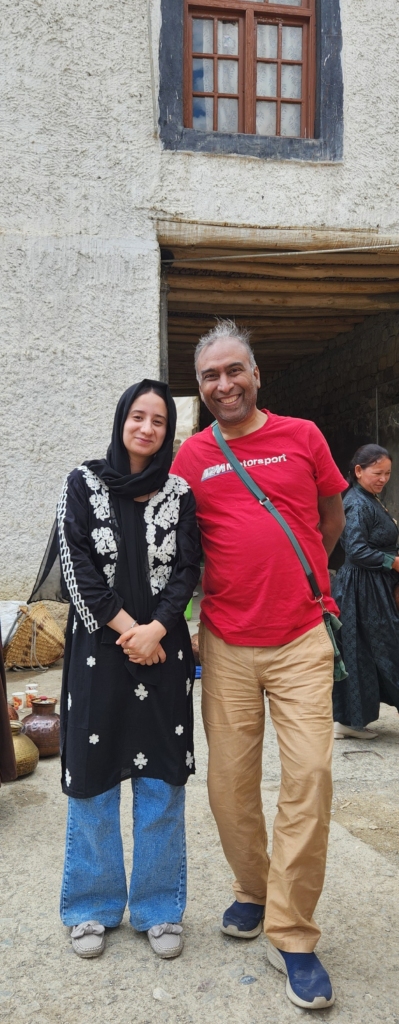
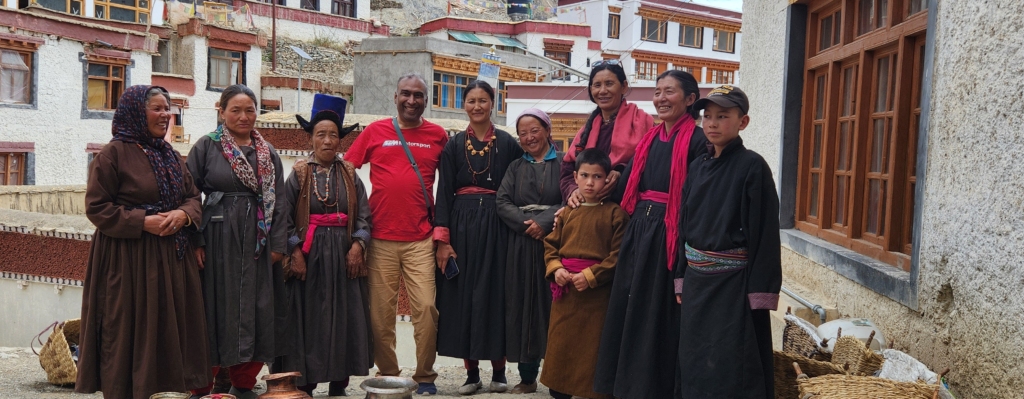
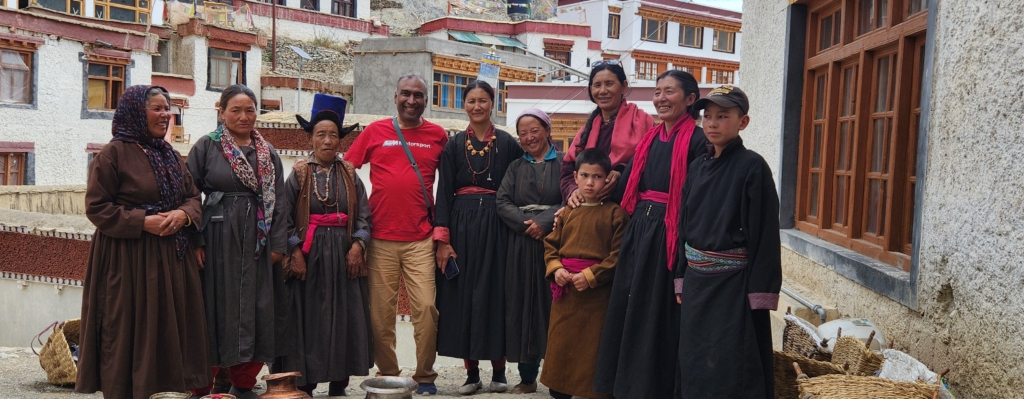
As we were about to leave, I met a group of local tribal women sitting together with their utensils. They could not speak Hindi, so we could not exchange much information. Although I was curious to know why they were sitting there together with big pots. But they could understand that I wanted to click photograph with them and so they obliged. They even put their headgear on to my head for a fun photograph. I wanted to thank them for their jovial spirit so, I shared some chocolates with them. They quickly called their kids and distributed it to them – just like any mom’s would do in any part of the world.

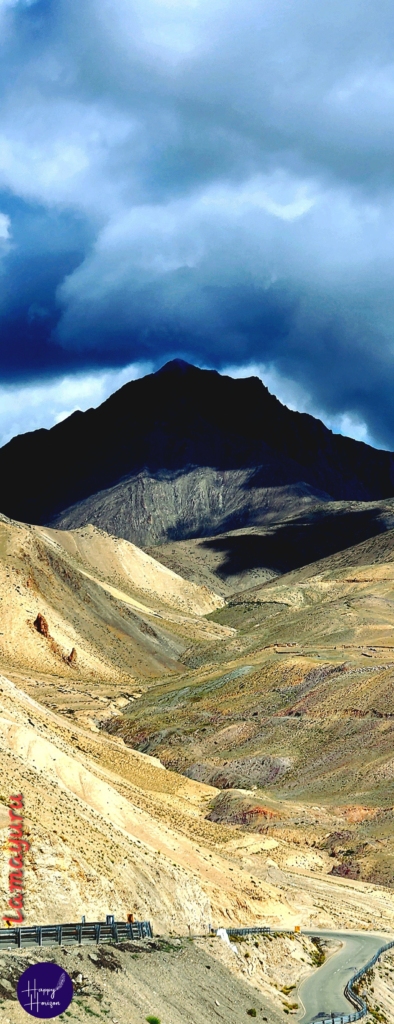

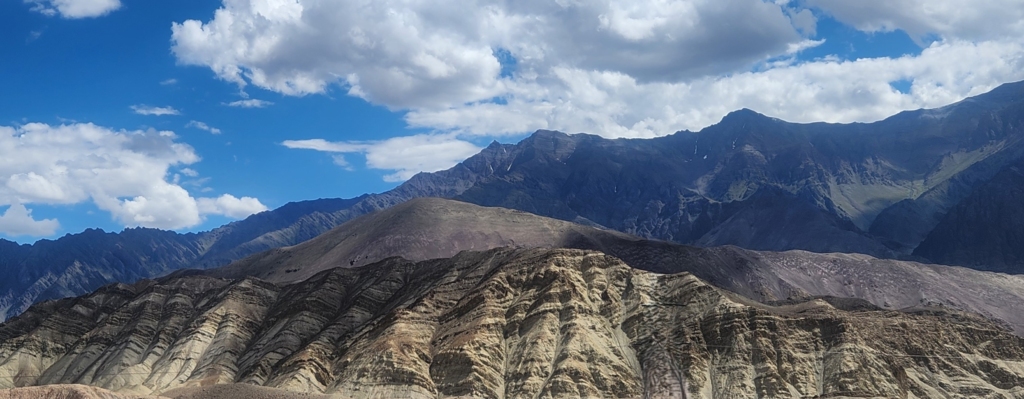
Apart from the famous gompa, Lamayuru is also known as the “Moonland of India” because of the geographical formation of moon-like terrains sculpted into the Himalayas. The location of the Lamayuru monastery serves as a platform to witness the spectacular sceneries of the mountains nearby.
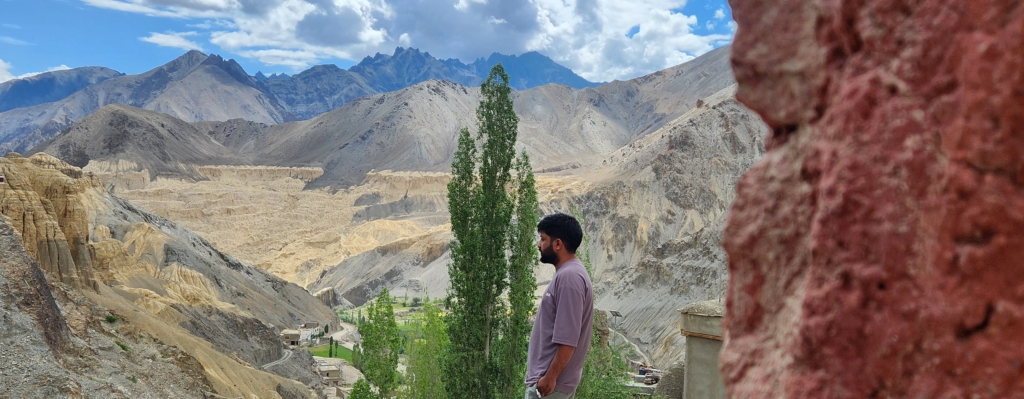

As I recollect my discussion with Tia, I remember she mentioning that the moonland feature is composed of “multani mitti”, a traditional mud used by Indian women for facemask. Now, as I review the photographs back in Mumbai, they do not really do the justice to highlight uniqueness and fragility of the topography with the mighty Himalayas in the backdrop. If you are in the vicinity of Lamayuru you should explore this unique landscape.
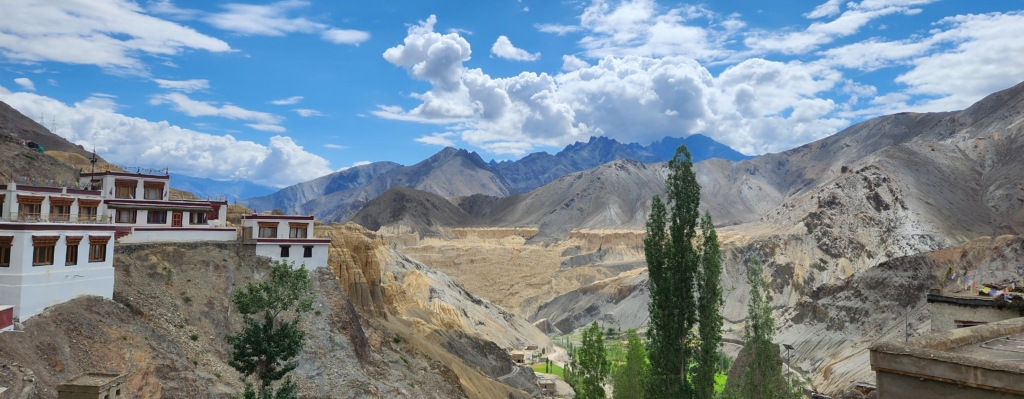
The two best locations to get the fantastic views of the moon-land terrain are – (a) view from inside the monastery, and (b) a side stopover along the highway, just as you climb down the Lamayuru village and drive towards Leh.


Wanla
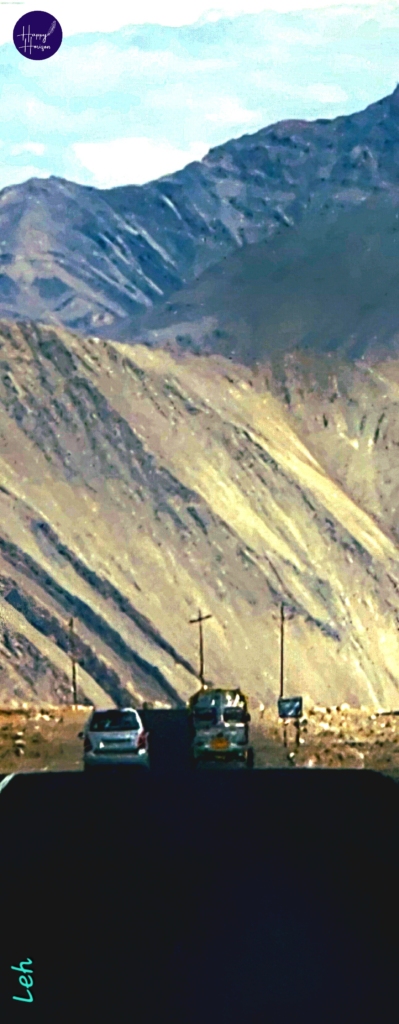
As you drive from Lamayuru towards Leh, a small section of the road passes through two mountains and river Wanla flowing along it. The river was coming through a diversion, which intrigued us and we took the diversion to explore the place. The water in the river was crystal clear.
The drive led us to a small village called Wanla. It’s also called as Apple village. There is a small gompa on top of the mountain that crowns the village. As we looked around from the sidelines of the road, we saw a golden statue of a person riding on a horse-back installed atop the hill. The golden statue intrigued us to know more about the person. After interacting with the local villagers, we figured out that the statue was of Wanle Lhonpo – the wandering soul of Ladakh. He is remembered for his enigmatic personality and miraculous deeds. Based on Ladakh folklore, he also had miraculous power of communicating with deities.

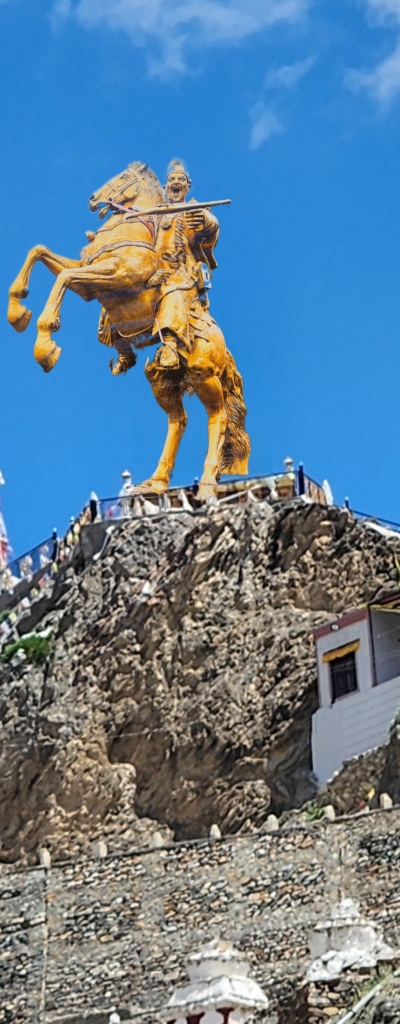
We decided to give the gompa and the statue a miss, although if you guys have time on your hand, you could drive upto the gompa, which I am sure offers stunning views of the surrounding areas. The road ahead would eventually passing through several passes would lead upto to Zanskar river connecting near frozen waterfall point, although I am not o sure about the road condition. This road journey reserved, when I visit Ladakh next for Chaddar trek at some stage of my life.

Alchi Gompa
We quickly returned back towards Leh. Wanla river eventually joined the river Indus. We could have missed the exit for Alchi village if we were not attentive enough and looking out for the exit. Its quite a bit of a drive to the village. Danish was getting uncomfortable without any signage. Just then a slew of SUVs passed us, which gave us a comfort about tourist attraction being ahead.
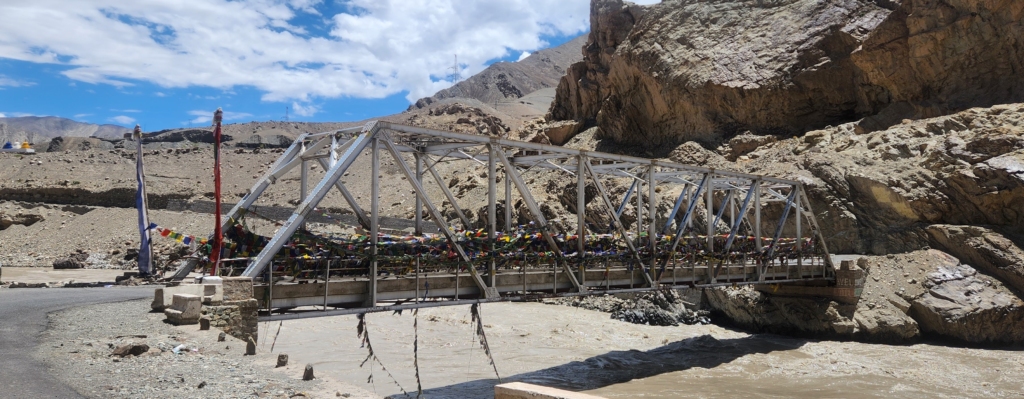
Finally at the end of the road we reached the village. As we got off the car, we noticed that the village was thronged with only foreign tourists, especially from Russia. Apart from us there was no Indian tourists. Alchi is off the Indian tourist circuit.

We were asked to deposit our mobiles before entering the Alchi gompa. The monastery is split into three chambers. The entry door to each of these chambers are so small that you would have to literally crawl to enter each of them. The entry door to the last chamber was so low that I could not enter.
It’s a pity that the monastery does not provide a proper guide to narrate the history and significance of Alchi Gompa. I was lucky, as the foreign tourists who came along had a guide with them.
The monastery complex was built about 1,000 – 1,500 years back. The main chamber is a three-storied temple, although access to the upper two stories is not allowed. The are three statues in the main chamber, the main statue of four-armed Bodhisattva Maitreya, is 17 ft. tall and the other two statues are about 13 ft. tall. The three statutes represents Buddhist tenets of compassion, friendship and wisdom.
The guide highlighted that most of the famous gompa’s in Ladakh are built on a cliff at high altitudes. This is one of the very few renowned gompa’s which has been constructed on the plains. The monastery is located on the banks of river Indus.
The Alchi Gompa complex is a Buddhist worshipping place as well as a study centre. We met a lama’s at the courtyard, who was clearing the apricots fallen on the ground. He said that he has come to the gompa from Sikkim to further his religious learnings. As we spoke to him, he explained some of the interesting architectural features of the complex.
He said that the colours used in the Alchi Gompa have been sourced from the neighbouring mountain rocks. I found it very impressive that the colours have held together over all these years. He explained a “Bodhisattva” is a spiritual being who is on the path of enlightenment. According to Buddhist prophecy, Maitreya is a Bodhisattva, who will emerge in future after a period of great darkness, and teach the Dharma to advanced beings to help them reach liberation. The lama also highlighted that there are several stupas which are also an important part of the complex.

Inside the complex we also met a young Russian girl who was studying / working in Bengaluru. I am still not sure about the Russian connection / interest in this particular Gompa. After visiting the monastery, you could walk upto the banks of the Indus river for a peaceful moment with oneself or friends. We had a quick lunch in the village and started our onwards journey to Leh.
Saspol Caves
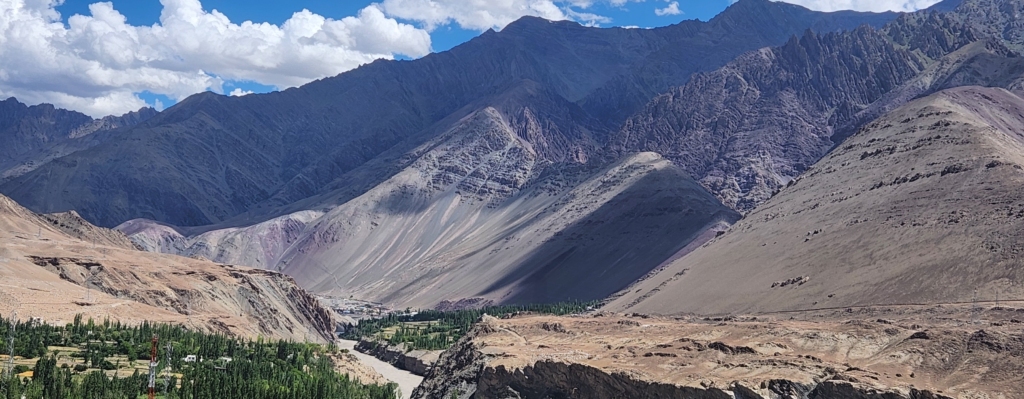
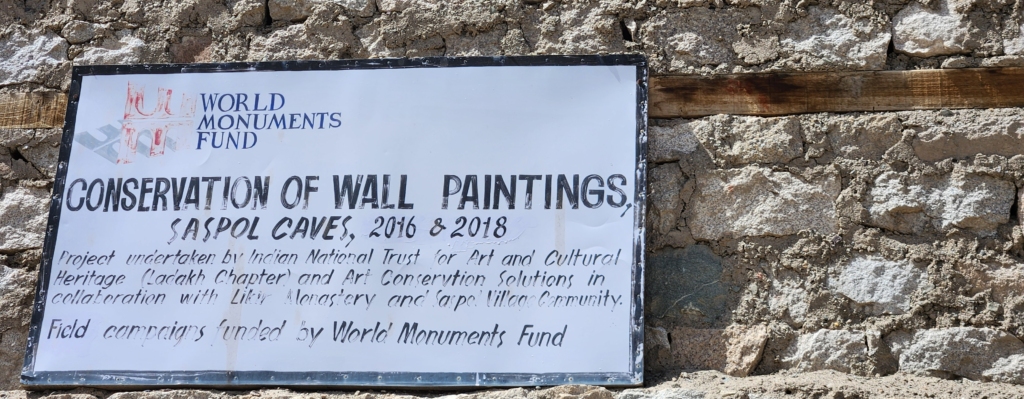
Saspol is a very small village famous for its paintings of Buddhist deities. Again, the route to the caves is not marked, you will have to rely on Google Maasi to direct you upto Saspol village and look for a diversion up the hill. There is a tar road leading upto the base of the caves, from there you will have to manage a small climb to the caves.



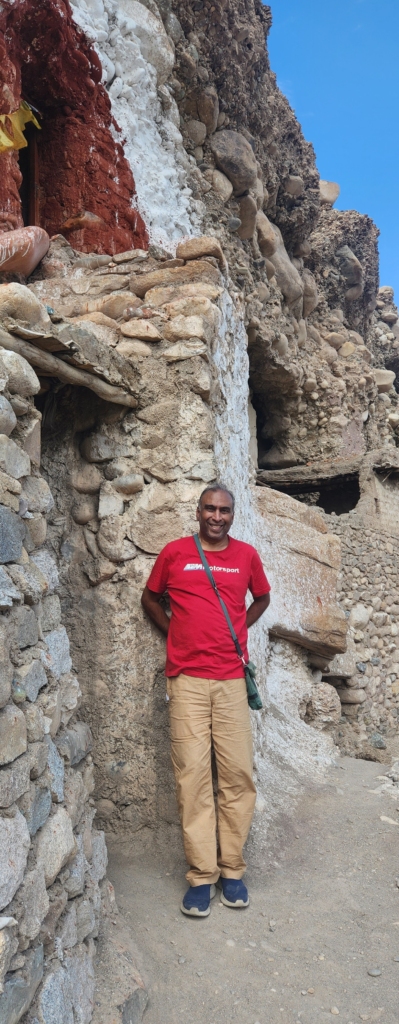
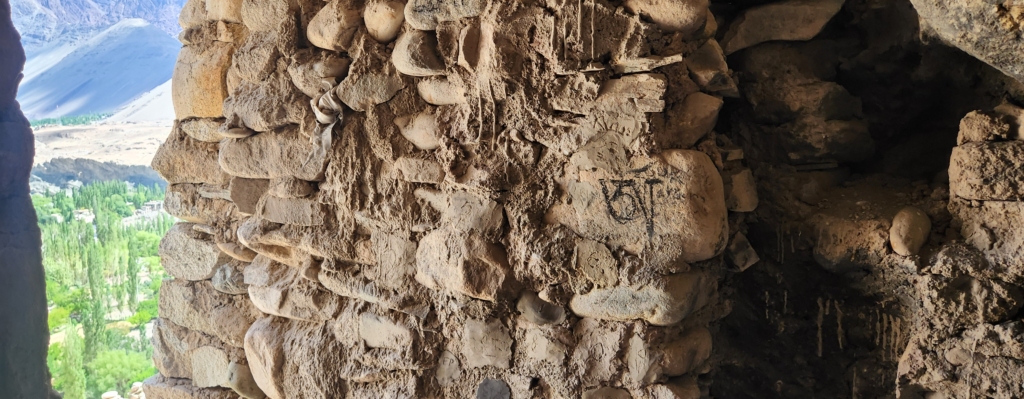
There are three caves and there are beautiful ancient Buddhist paintings in the caves, which are damaged. Although the painted caves have been given a coat of lime wash to preserve it. There is a small fort like structure further uphill, which looks difficult to access.


Once you reach the caves, the view from the top is breathtaking. The view of Indus valley from the caves are incredible. This is a seriously underrated attraction. I highly recommend you take a small stop-over if you are passing through the highway.

Sangam – Zanskar merges with Indus
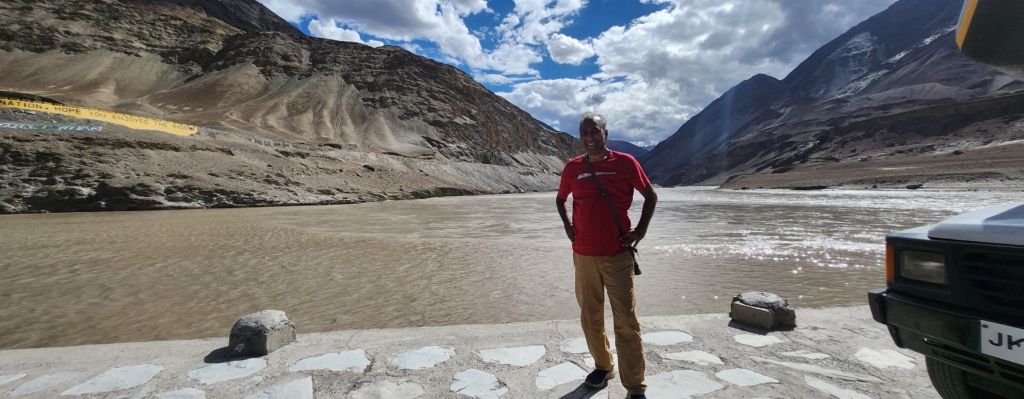
A road diversion from the highway will brings you right to the river bank of Indus. Zanskar river coming from Zanskar River meets Indus River at Nimmu village. Their confluence place is now known as Sangam. You can enjoy the view of the confluence with the mountain range as a backdrop. If you follow the same road for about 25 km. along the banks of the Zanskar river, you will reach Chilling. The road from Chiling to Padum is under construction.

Zanskar river is one of the major tributaries of the Indus river. The Zanskar river, which flows into the Indus, has a greater volume of water than the Indus itself before that point. It is fascinating to see the two rivers merge at an altitude of 10,656 ft. in two different colours. The Indus – Zanskar confluence is said to be changing colours depending on the season, the confluence is an altogether different sight before summer sets in. As the snow melts during summer, the river carry’s silt which turns the water muddy. It is said that during winter, the river water turns bluish green or greenish blue, depending how you perceive the colours.

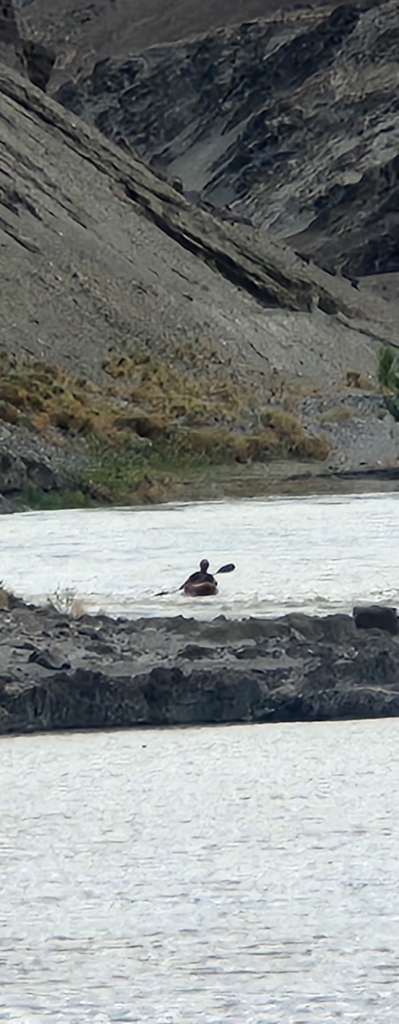
There is a small cafe on the river bank from where you can hire kayak / raft. You can raft on Zanskar river, from Chiling to Nimmu during summer season. On the other hand, in the winter season, the Zanskar river completely freezes to form a thick ice sheet called Chadar. The trek over frozen river, is popular by the name of Chadar trek where you can walk from Chiling towards Padum. Chadar trek is one of my unfulfilled dream for past two years, it’s still on my bucket list of things to do.
Magnetic Hill
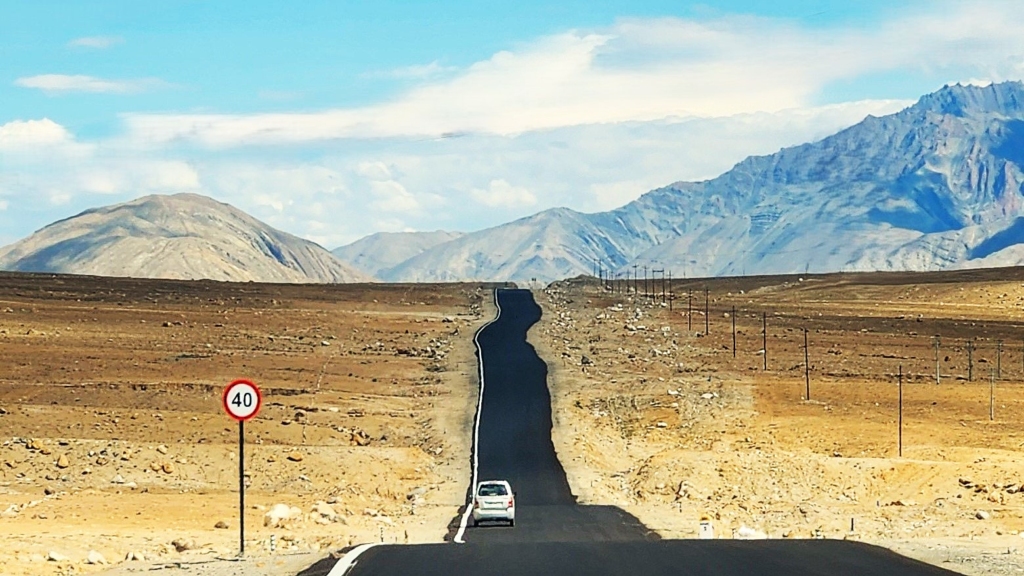
The Magnetic Hill is one of the leading advertisement to attract tourists to Ladakh. It is a wide open stretch of a road at an altitude of 11,123 ft., surrounded by tall mountains. You can leave your car in neutral gear with the ignition turned off on the Magnetic Hill, it will appear as if the car is moving, as if a powerful magnetic force is pulling the vehicle uphill. The large mountain right in front of the road is said to be the source of this magnetic force.
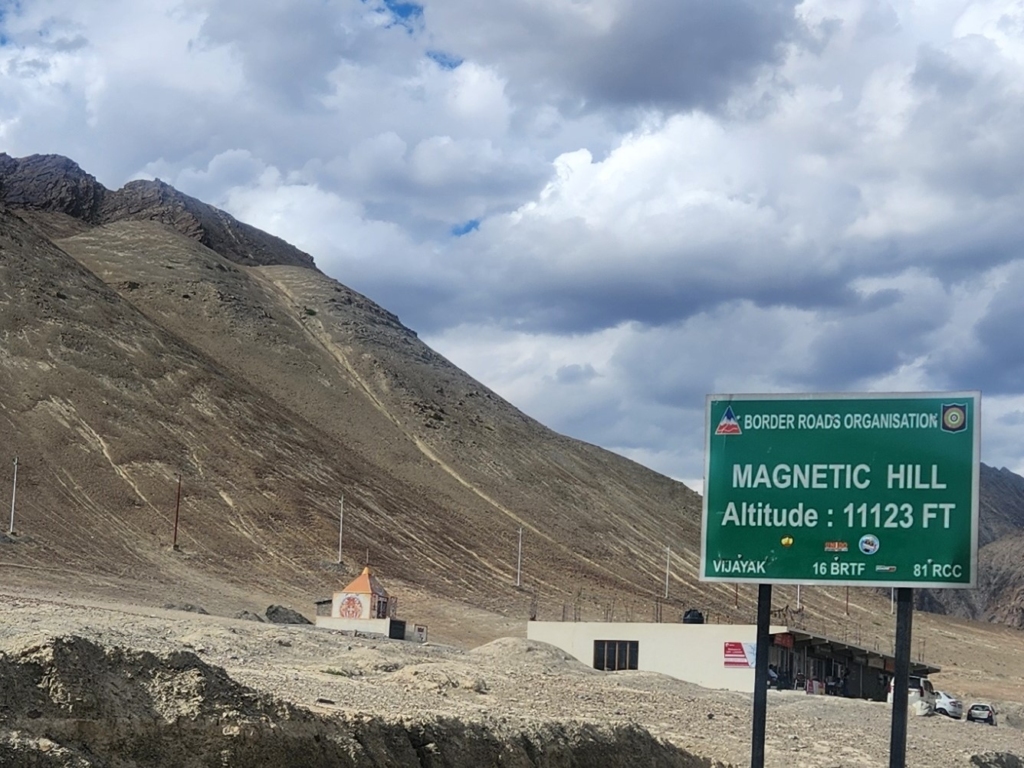
Personally, I think it’s just an optical illusion at it’s best. The locals there said that the uphill road is actually a slant running downhill, but due to the natural formation of the mountains, the horizon is distracted and it appears to us to be an uphill stretched road.
Danish also said that we need to be here in the peak of summer heat, when there is a sense of mirage to experience the illusion at it’s best, the so-called magnetic pull. After waiting for some time for the stunt but decided to give the gimmick a pass. We preferred to enjoy watching the excitement of young inquisitive children.
Gurudwara Pathar Sahib
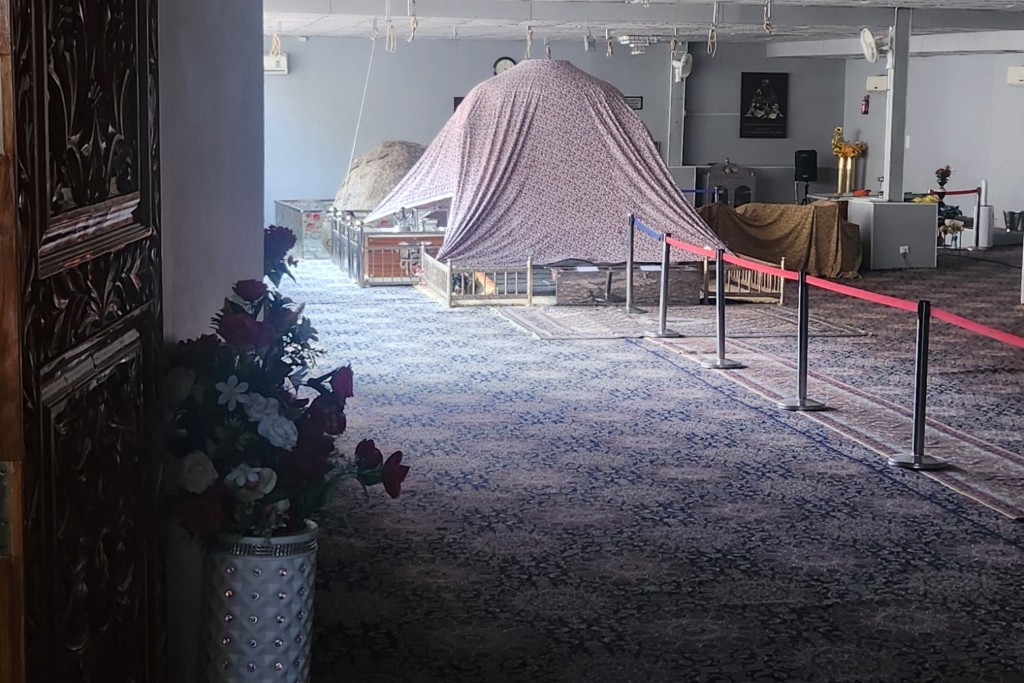
The Gurdwara Pathar Sahib, located in the periphery of Leh is a place of worship, which was constructed in memory and honour of Guru Nanakji.
It is associated with a very important event in the history of the Sikh religion. It is popularly believed that during the period 1515 – 1518 when Guru Nanakji was returning to Punjab via Srinagar, after travelling to Sikkim, Nepal and Tibet, he had rested at this place. When Guru Nanakji sat at this location to meditate, a demon tried to crush him with a boulder.
However, the boulder that the demon rolled down turned soft and melted and instead of hitting Guru Nanakji it took on Guru Nanak’s shape. In 1970, a boulder was discovered that is believed to be the one in the story with Guru Nanak’s shape still carved in it. A gurdwara was constructed to pay homage. We stopped to offer our prayers and seek blessings.
Leh
As we entered Leh, it appeared to be a small laid-back city located at an altitude of 11,480 ft. Most of the city buzz is spread around old market area. Although Leh has few tourist attractions but it primarily serves as a transit point for tourists venturing into remote areas of Ladakh.
We were booked in a hostel for our night stay in Leh. I was keeping my fingers crossed, hoping to find a wider bed. Our room was on second floor with four bunkers beds to sleep eight people. We had a small wall mounted fan, luckily facing me. The bed was wide enough for my comfort. Danish wanted to rest after long tiring day. So I decided to walk around and explore the neighbourhood. Just around the corner, near the hostel, I found an interesting bakery-cafe, where I parked myself hoping to meet interesting locals and gossips.
There were group of taxi drivers enjoying their evening tea with light snacks. They were sharing their daily stories returning to the city after day long tourist round. It was fun to see their camaraderie. Tourism is the main driver of the Ladakh’s economy.

Although no inner-line permits are required for Indian citizens to travel around entire Ladakh, however, I wasn’t sure about one specific route, Loma – Umling La (via Koyul). I asked the owner of the cafe, if he could confirm with his local connect to confirm if any specific permit would be required, as the route would traverse adjacent to the Chinese border. I salute the helpful spirit of the Ladakhi’s. The cafe owner went out of his way to contact few locals to get a confirmation. Based on his feedback, no specific permit would be required. I thanked him for all the trouble he took.

I decided to buy a small can of oxygen as an emergence back-up for the following day ascend to Khardung La. At the chemist shop, as we discussed my road trip, the chemist informed that the road connecting Diskit to Merak (Pangong Tso) via Shyok had caved in due to heavy flow of river. Therefore all the traffic from Nubra Valley to Pangong Tso had to be re-routed via Leh back again. However, he was quite hopeful that the road could be fixed in next couple of days. Our travel back from Nubra Valley to Pangong Tso, was scheduled after 3-4 days.
Since my last two days halt of my travel were in Leh, I did not venture deep in the city. Further we had an early start the next morning, so I decided to have dinner in the hostel and sleep early.

Back in the hostel, made some new friends exchanging our travel notes. Most of the travellers were young adults biking through Ladakh. I was in awe with their zeal and courage to travel through the rough terrain all by themselves.
Back in the room I met a young traveller, Ali from Saudi Arabia. Back home, he was pursuing his higher studies in medicines. A young dynamic personality with balanced head on strong shoulders. I teased him, how will India’s economy will grow if rich Sheikh’s were to stay in hostels. We both laughed. I wished him all the success in his life and travel through India.
Danish and myself retired in our bunker beds early.
August 2024
If you’re planning a trip to Leh or through Ladakh, we at HappyHorizon would be thrilled to customize your holiday plans to enhance your travel experiences. Feel free to reach out to us: connect@happyhorizon.in
Day 4: Nubra Valley – Read More
Gallery


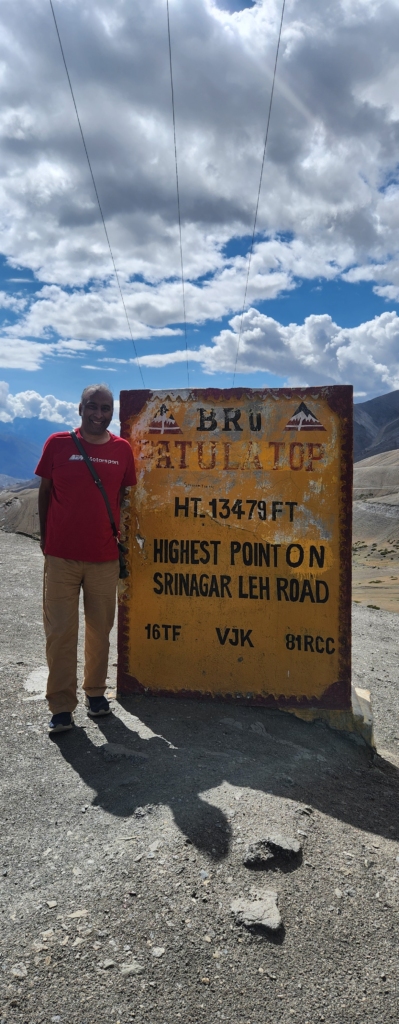









Sukumar Jain, a Mumbai-based finance professional with global experience, is also a passionate traveler, wildlife enthusiast, and an aficionado of Indian culture. Alongside his career, which includes diverse roles in international banking and finance, he's working on a wildlife coffee table book and enjoys sculpture and pottery. His interests span reading non-fiction to engaging in social and global networking.