Day 3: Lamayuru – Leh Sector – Read More
Day 4: Nubra Valley (via Khardung La)
Leh – Khardung La – Diskit – Turtuk – Thang @ LOC: 225 km. / 6 hr. / Altitude: 9,800 ft. (Turtuk)
Khardung La

We started from the hostel early to beat the tourist influx towards Khardung La. Leh is a laid back city, so there was no breakfast option when we started. So we were hoping to find some breakfast options on our way to Khardung La.
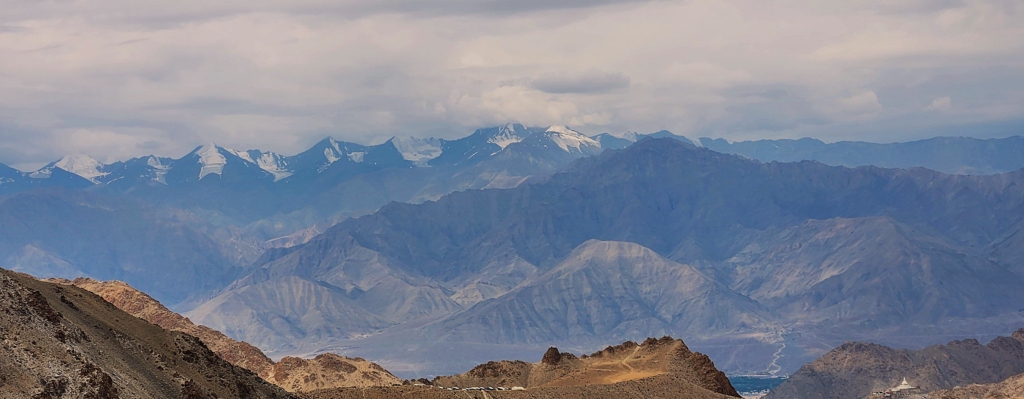
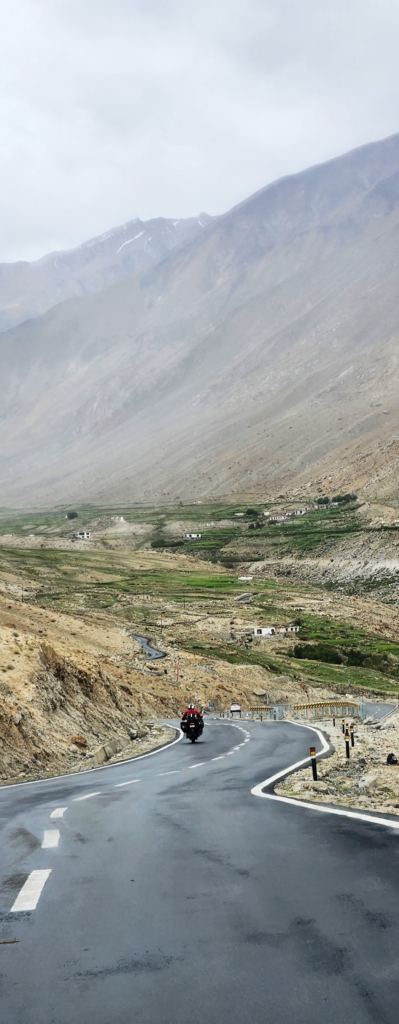
The road to Khardung La is notorious for biking groups zipping through the treacherous terrains as if racing through F1 track. The state government bus drivers are a different breed on this track, so respect them and give them adequate way for them to pass / overtake.
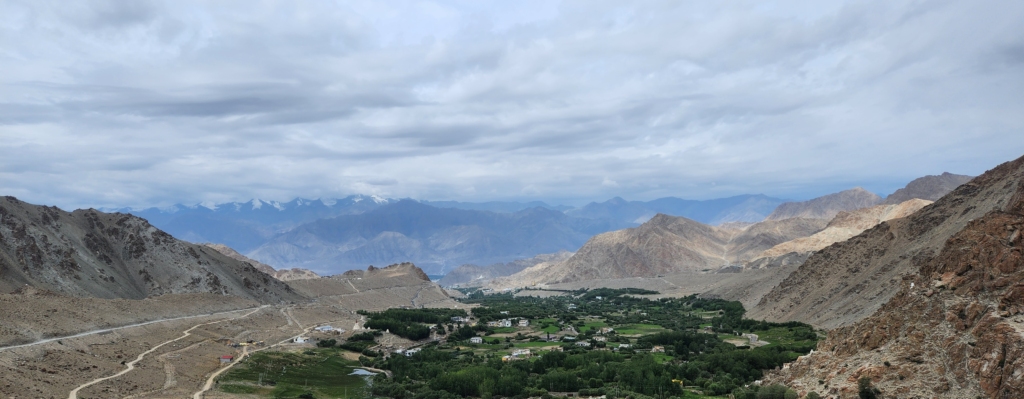
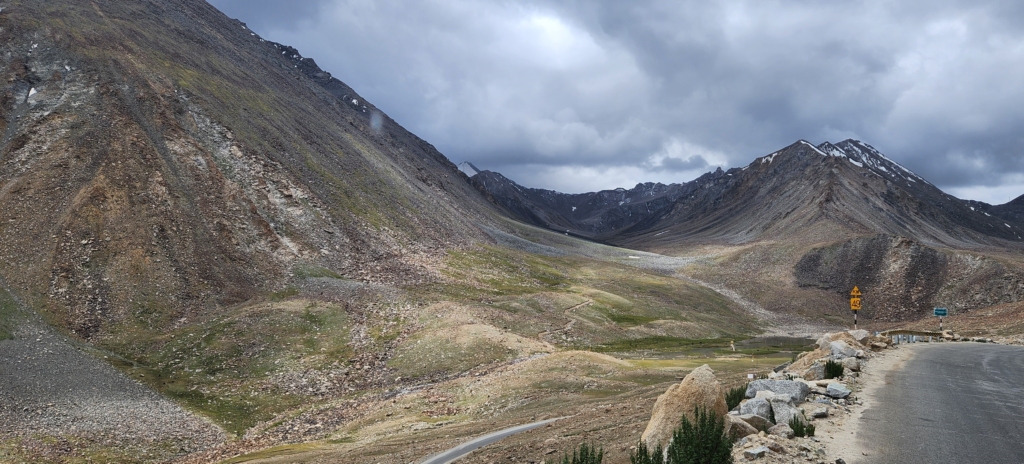
Ahead of us was a lady on the bike, she was struggling to keep pace with the group. It’s best to drive slowly enjoying the landscape as you gain the altitude. Most of the people undermine the impact of high altitude sickness.
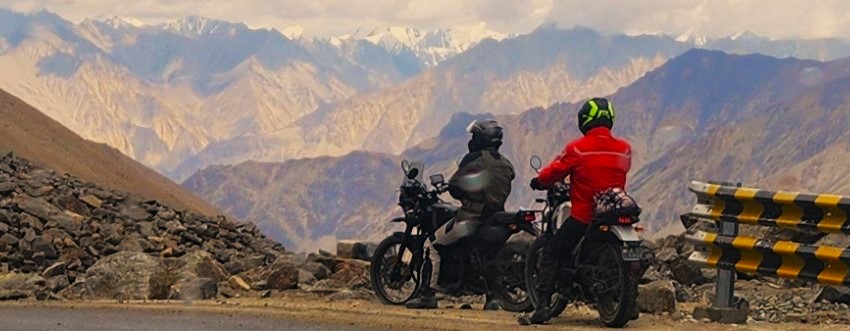
It’s my sincere request to acclimatize in Leh as per protocol and take proper medication. Remember every person’s body is different and reacts differently. So do not judge your fitness based on others experiences and display dare-devil traits. Most importantly, respect nature.

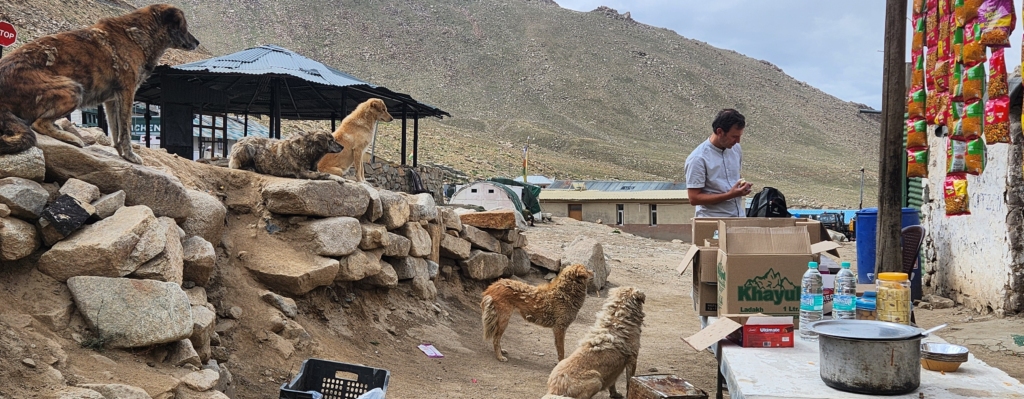
About an hour drive later, we reached South Pullu. We took a small breakfast stop. The marker on the door said that we were at an altitude of 15,542 ft. Hot tea in a cold weather was so refreshing. We exchanged travel notes with a French solo traveller who was returning from Nubra valley.

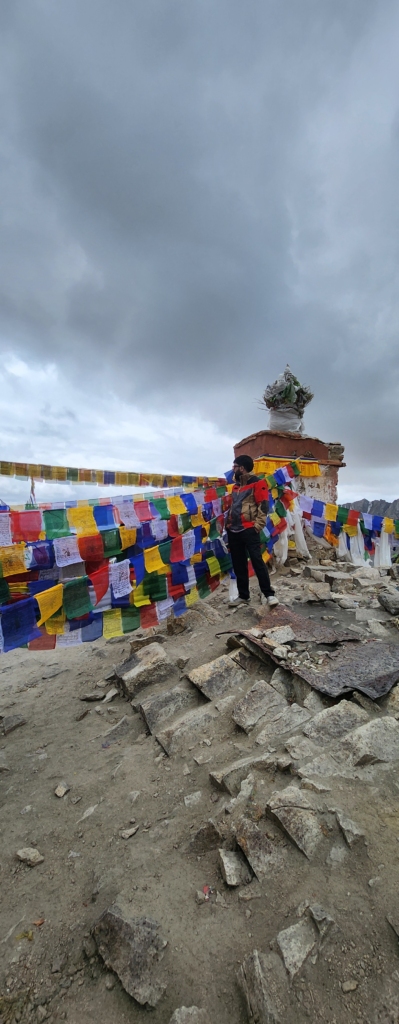
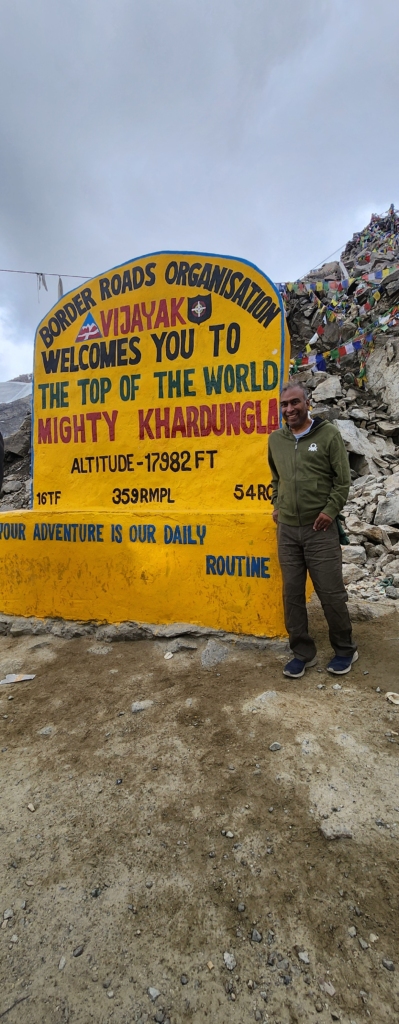
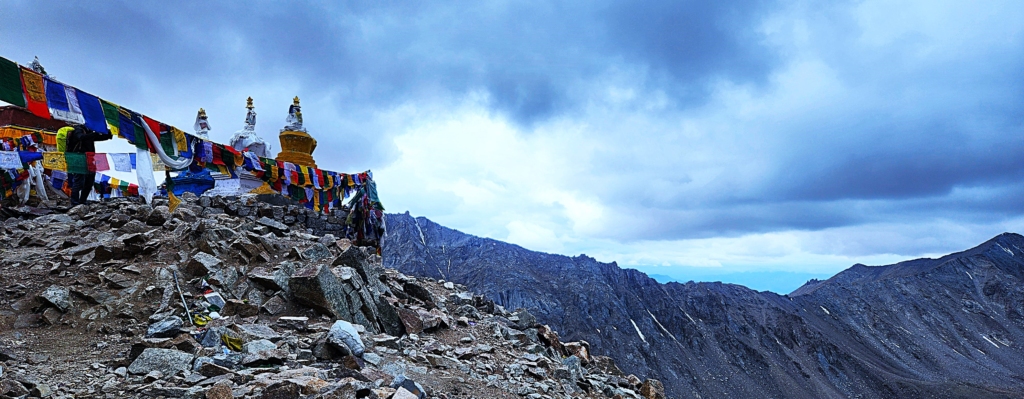
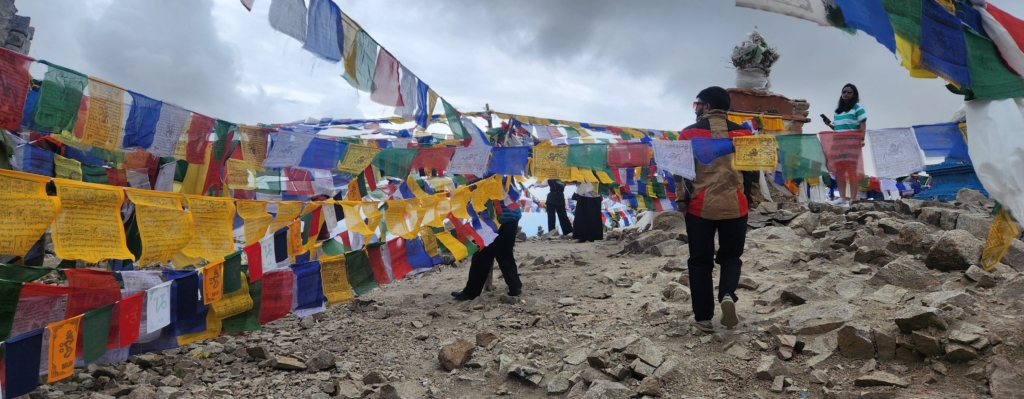
We reached Khardung La at an altitude of 17,982 ft. Up to couple of years back, Khardung La was the highest motorable road in the world. Now, it stand’s as second highest after Umling La. It is not advisable to spend more than 20 minutes at such high altitude. It was pretty cold up there but some daredevil girls from Delhi were there in short skirts for perfect Insta pics.


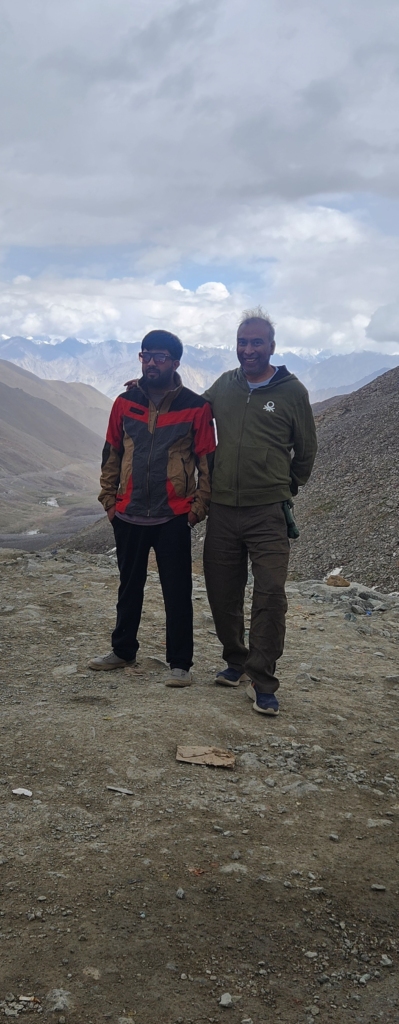

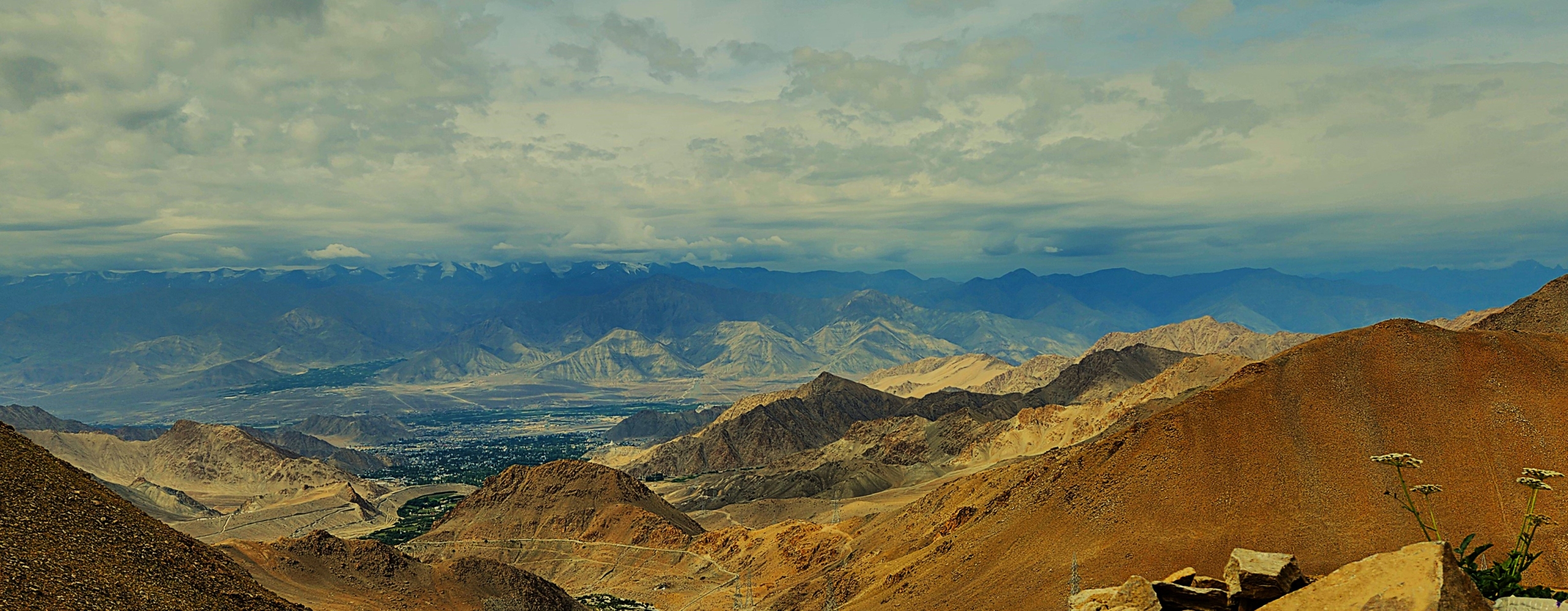
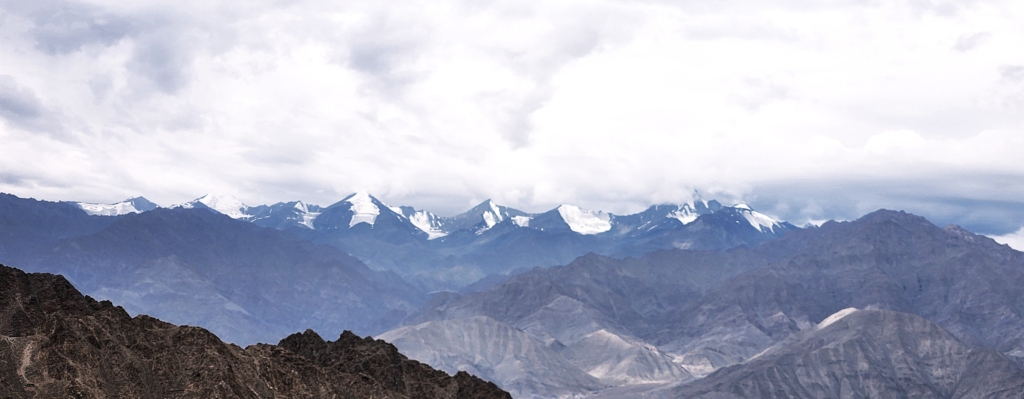
The drive from Khardung La to Nubra valley is very scenic. With every turn the nature unfolds itself with combination of new geographical features and new dimensions. The barrenness of the Ladakh mountain range at such high altitude looks beautiful. At the far end I could see the chain of snow capped mountains of Karakoram range.


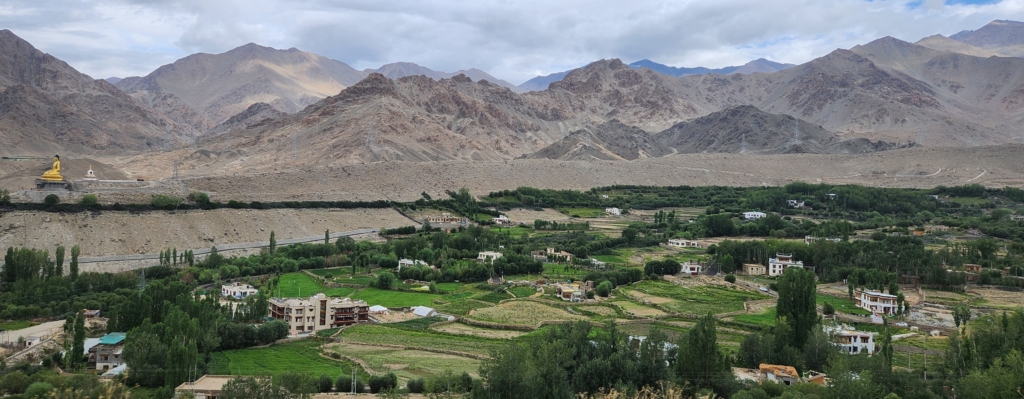
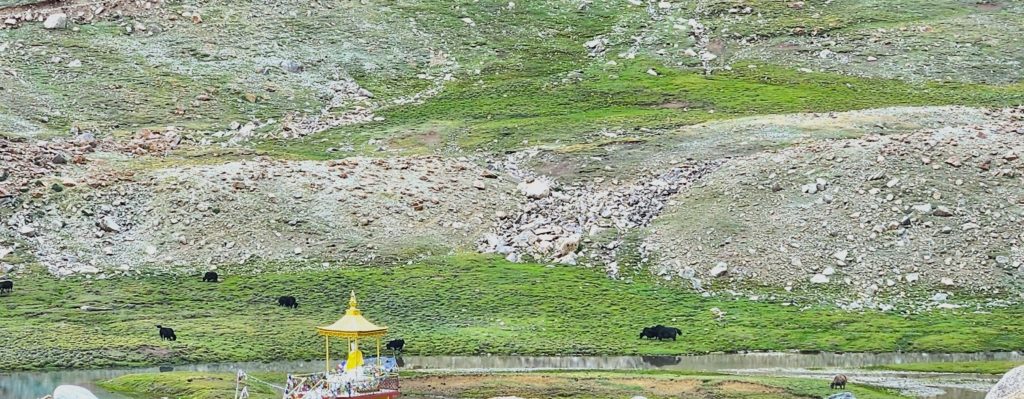
There were few villages along the way although with limited habitations. These oasis in the barren mountain range looked like big emerald pendant around a beautiful lady’s neck. One could see yaks grazing through the fields.

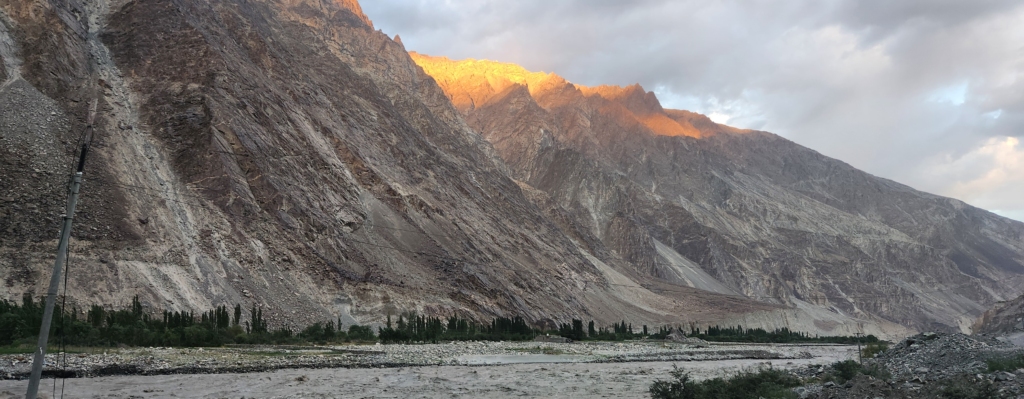
This patch of driveway was a combination of paved road and dirt track, although road works was ongoing to convert the dirt track into tarred road. At this stage Shyok river joined us, flowing right below us, traversing from far away. The white silt it carried along and deposited it along its bank created a perfect picturesque landscape with the mighty Karakoram mountain range at the backdrop.


Nubra Valley
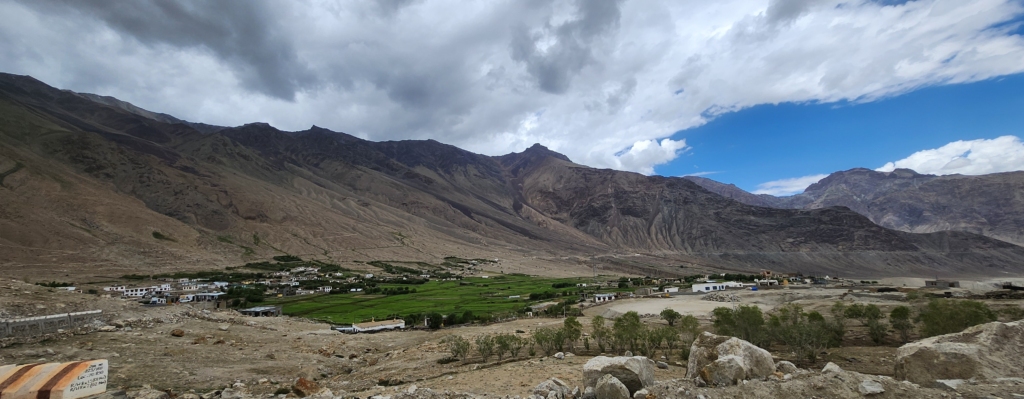
As we descended the mountains we reached the Shyok river basin at Khalsar, the road bifurcates at this point, the left road leads to Diskit – Turtuk / Thang and the other road leads to Panamik – Siachen. Nubra Valley includes the entire region of Turtuk and Siachen. Nubra is also called Dumra in Tibetan language. The average altitude of the valley is more than 10,000 ft.

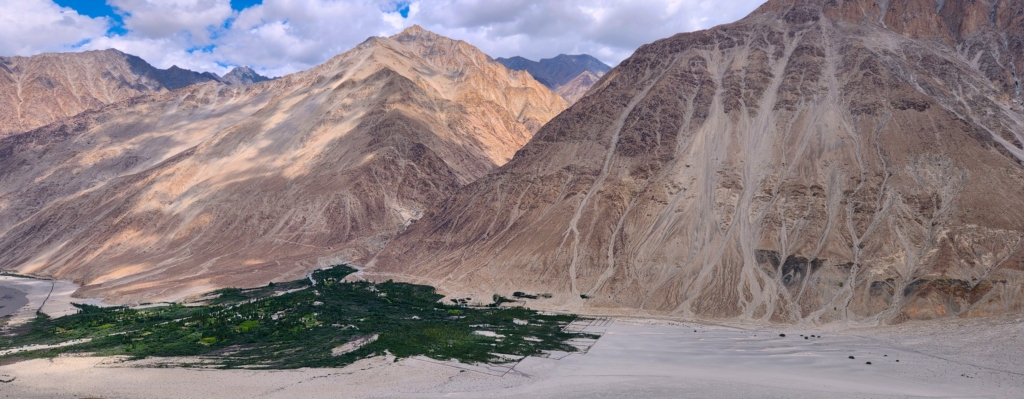
At Khalsar, you have a petrol station, where it is advisable to fill your tank full. Here you can satisfy your thirst for adventure activities. You can zip line from an altitude to the desert plains, and hire an ATV and drive endlessly through the desert. Just a word of caution, please keep a look out for the sand storm, you can badly get caught in one.
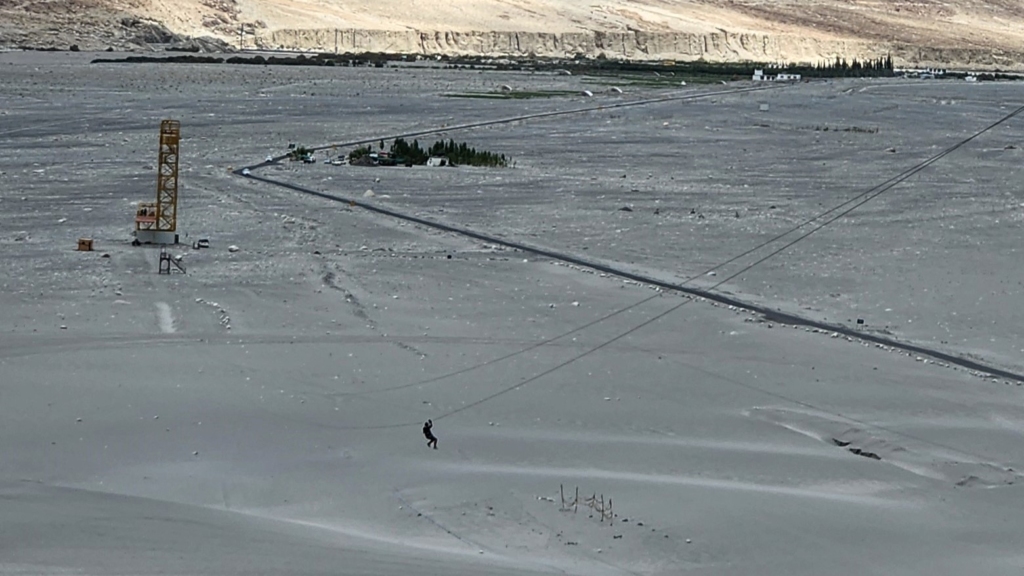
Rivers and Mountain Ranges at Nubra Valley
The Siachen (Nubra) River which flows from Siachen Glacier meets the Shyok River at Khalsar. During this season, water flow is more in Siachen River than Shyok River. Thereafter, Shyok River flows along the road up to Thang @ LOC. At Thang, Shyok enters Baltistan and eventually meets Indus in POK. Shyok River is also locally termed as “river of death”, as it frequently floods its sides, cutting banks causing soil erosion. Many times the river has wiped out entire villages often forcing villagers to move away and seek home elsewhere. The Shyok has not quietened with time and with an increased volume during the summer, it is impossible to cross the river. People living in villages such as Hunder are forced to use boats, for crossing it at remote places where there are no bridges.
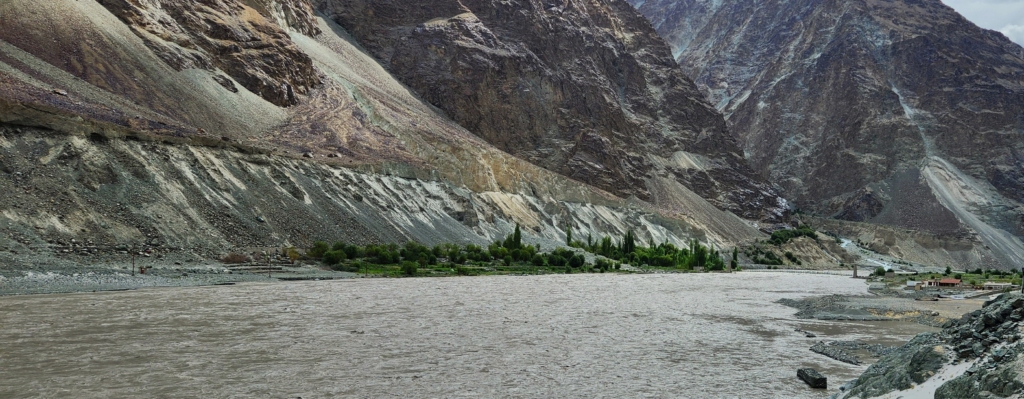
The Siachen / Nubra river basin is flanked on the east by the mountains of Saser Muztagh range and by the Saltoro range on the west. The Saltoro mountain range splits Turtuk region from Siachen. The Nubra valley forms the southern end of the Saltoro mountain range.

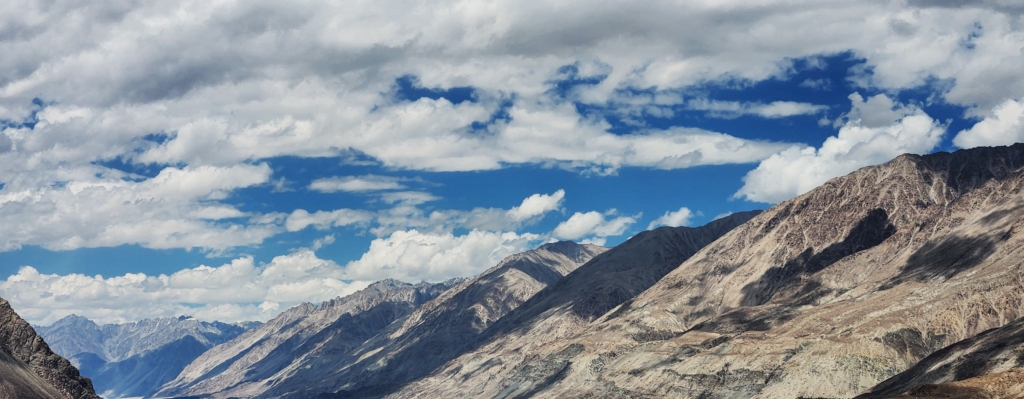
The Saltoro mountain range begins at the point of confluence of Shyok and Siachen rivers (southern end) , spreads northwards in an inverted triangle shaped formation. The left (western) branch passes through Thang @ LOC and extends into Gilgit-Baltistan. The right (eastern) branch extending all the way to Indira Col (near Siachen Glacier Basin) in the Karakoram. The base of the triangle (northern end) marks the LOC between India and Pakistan upto NJ9842 point. Saltoro mountains have heights upto 22,000 ft.
Khalsar to Turtuk
We had planned to explore Diskit and Hunder (or Hundar) on our return journey from Turtuk. There are no food joints between Hunder and Turtuk. We had made mistake of not stopping at Diskit for lunch. So it is advisable to fill your stomach and car fuel tank at Diskit before heading towards Turtuk.
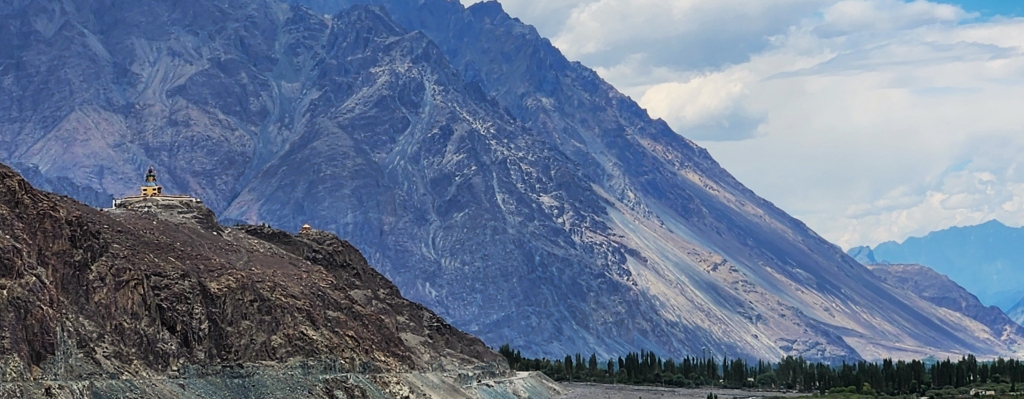
The old European lady on the motorbike was still riding ahead of us. We could sense she was struggling. Her fellow friend was giving her company and driving along with her. After driving for few more km., she finally decided to give up. We checked with the duo, if they needed any help. As they were part of the large organized group, they assured us that they had a back-up coming up their way. After we had driven ahead for sometime, an ambulance passed by us, in all likelihood it was heading to pick her up.

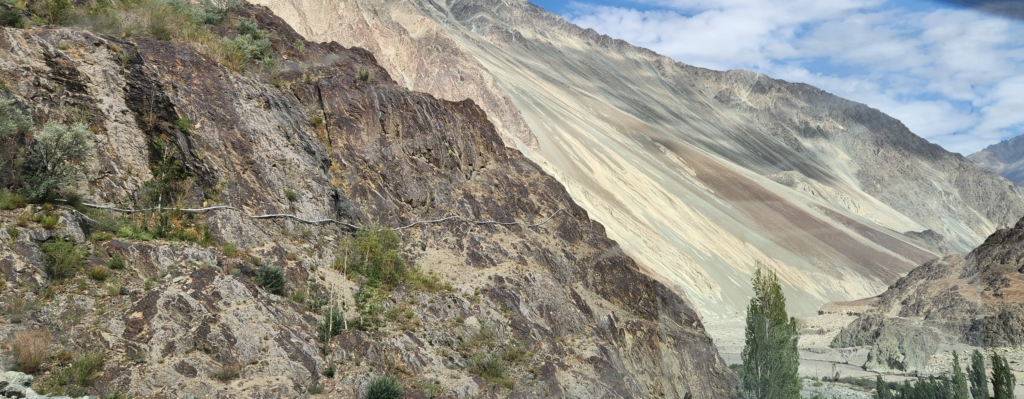
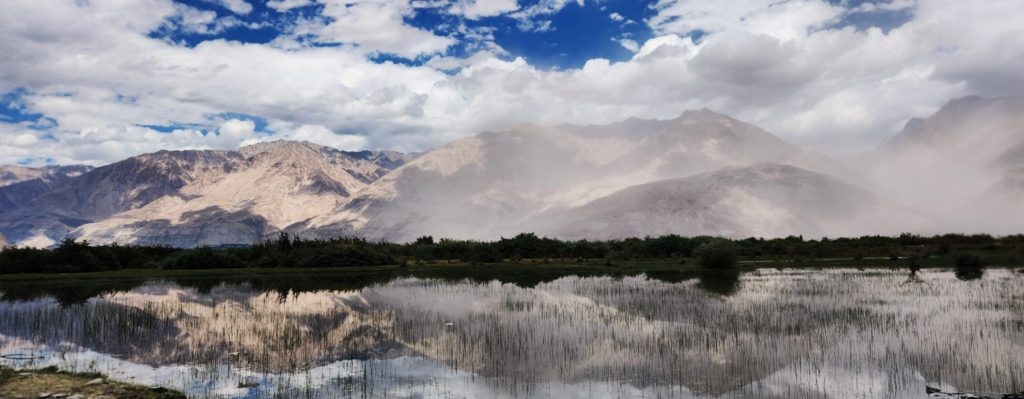
We were driving along one of the highest altitude located desert. All of sudden, we saw there was a sand-storm, which was following us from behind. I could see grey sand and dust building up like a dense cloud on the riverbank. The storm did catch us sooner than we thought, reducing the visibility to near zero. As the sandstorm passed, we could see nothing. We thought it was prudent to take a small pit-stop hoping the storm would either mellow down or change its course. Luckily it changed it course.
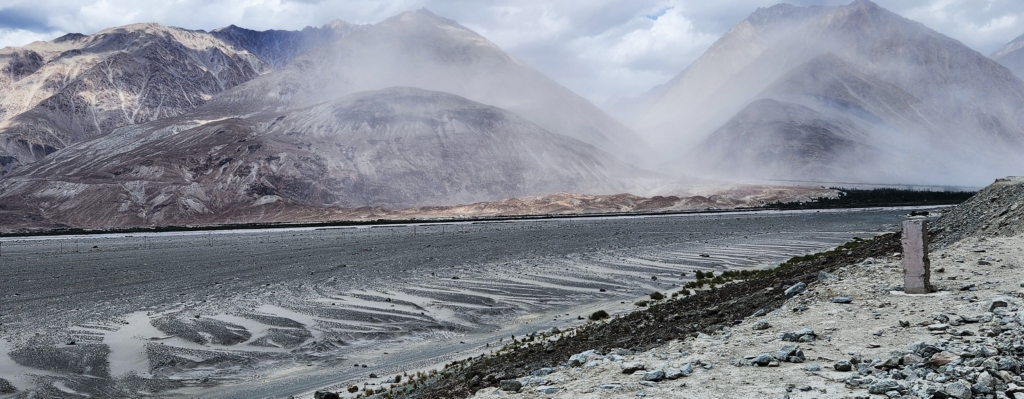

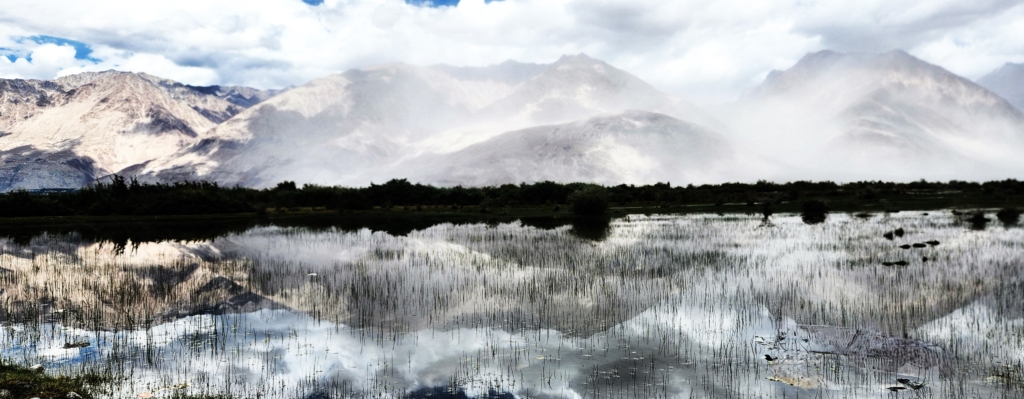
The drive from Hunder to Turtuk, about 90 km. / more than 2 hr., can be very tiring. The landscape is barren and some of the sharp peaks are intimidating. I could sense Danish was getting frustrated due to hunger. We had some dry-fruits, but Danish wanted some solid food. Luckily, the drive was not too difficult.
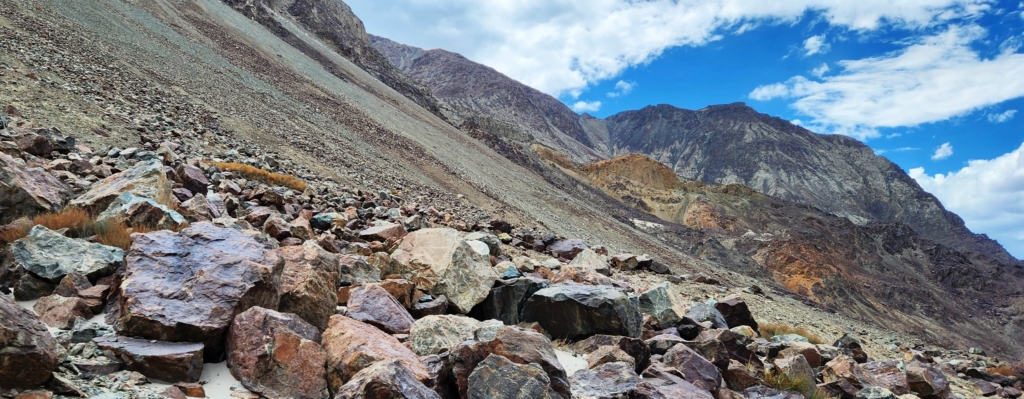
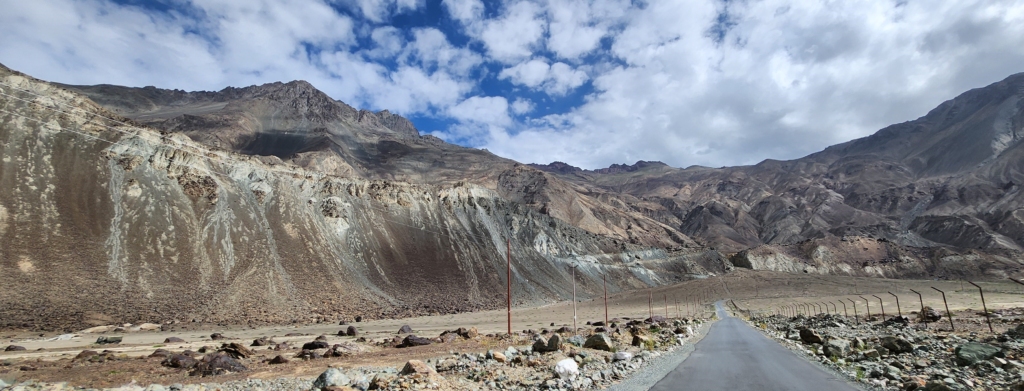
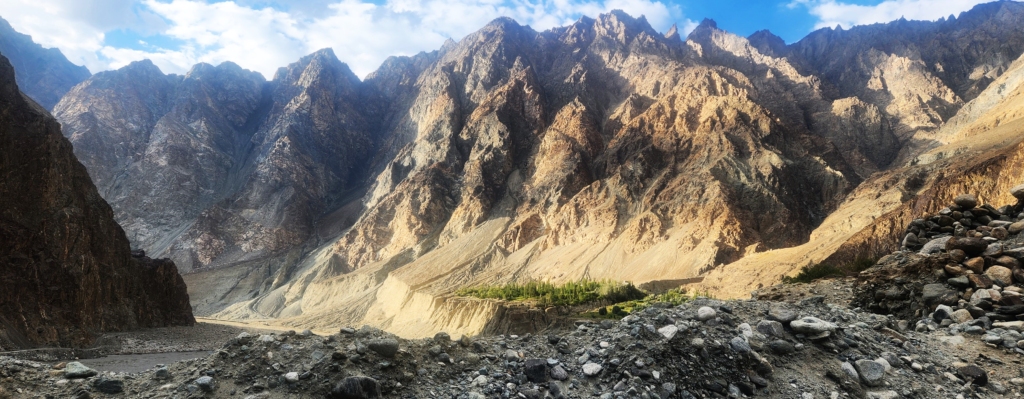
The Shyok river was flowing along with its buzz. The thought on returning back through the same long deserted route was not pleasing to me. I was wondering if there was a short cut somewhere along the way to Siachen by-passing Diskit. If we could find one, we would save lot of unnecessary travel and most importantly fatigue.
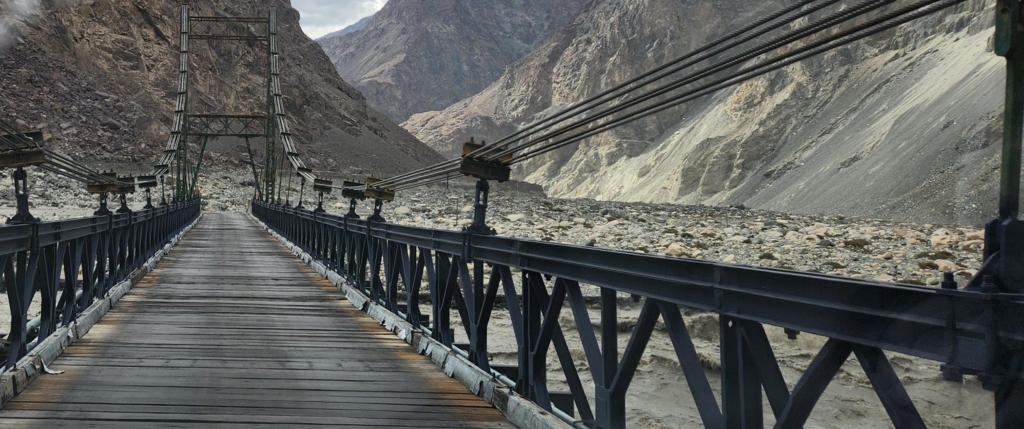
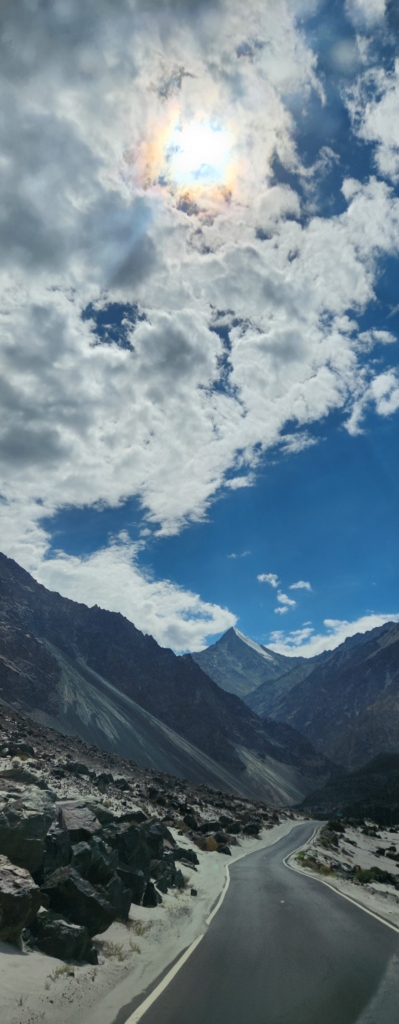
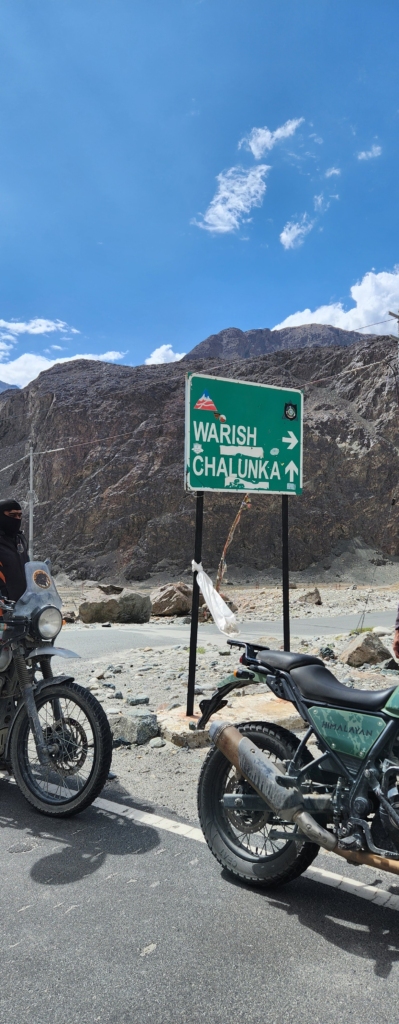
Eventually we found one diversion, there was a road sign, which said “Warish”. But my excitement was very short lived. As I followed my eye-sight along the diversion, I saw the bridge over Shyok river submerged. But later I realized that “Warish” and “Warshi” are two different places and constructing a road pass through Saltoro mountain range to Warshi would be another level feast for the BRO.

Israel Connection
Just before half an hour before Turtuk, we spotted a small restaurant on the wayside. Danish rushed in to check what was available. Unluckily, the restaurant was out of stock with food. They did not even have any maggi or eggs left. I have not been able to understand the stock-out situation in restaurants in Ladakh. There were three pretty young girls sitting outside the restaurant. One of them was hand gesturing, probably asking for something, which I could not understand. So I walked upto them and figured out that they were asking for lift upto Turtuk. With Danish’s consent, they all hoped into the car.
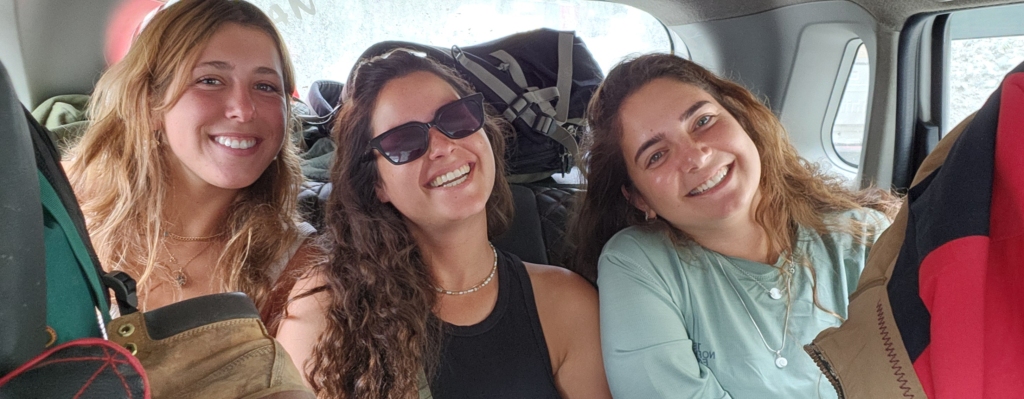
Maya, Noam and Ofir were from Israel, backpacking through Ladakh. They had started from Leh earlier during the day in state transport bus. They had got off at Diskit where the bus had terminated. From Diskit they had hitched a lift upto here. Noam was the leader of the three. I am pretty sure she negotiated all the hitch-hiking. They had been waiting for more than an hour near the restaurant to hitch another lift upto Turtuk. I was impressed by their daredevil adventure. I wish I get a chance to experiment such a travel journey once in my life. A vagabond trip with no serious route planning, no hotel bookings, and just public transportation. But I need a travel companion with such spirit, I dont think I am ready for a solo travel, yet.

It was fun talking to three lovely girls and understanding their views on various aspects of life. They had differing views on resolving Israel-Palestine conflict, although all three of them believed there was possible solution to the problem, if the politicians from both the sides of the border had heart-mind in the right place. They were following the hostage situation everyday. They exactly knew the number of hostages that were still held by Hamas as captive. They were smart to bring the India-Pakistan conflict discussion and we soon changed the topic from war to peace.
When I asked them about their views on marriage – Ofir and Noam wanted to get married but only to a Jewish boy who could speak Hebrew. They thought effective communication was an essential element in a relationship and it was best achieved in local language. Maya was not inclined to get bounded by marriage. She was in search of “nirvana”. After her visit to Ladakh, she was heading to a retreat in Dharamsala for a short residential course on Buddhism.

Jokingly, I offered Maya to preach her principles of Jainism instead, if she agreed to join me for the balance of the road trip. She hesitantly declined the sweet tempting offer.
Noam was heading back home after her prolonged travel through India and Ofir was heading to Thailand for an extended vacation. Turtuk attracts lot of young tourists from Israel. I am not sure what attracts them to far flung place like Turtuk. Maybe a peaceful “border”. Nevertheless, a good choice – good natural surrounding with cool weather, amidst amazing set of people.
As we discussed the history of Turtuk, I said to the girls that I had a meeting with King of Turtuk the following day and they could join me. Surely, they did not believe me and thought that I was spinning a story. Actually neither I was so sure about it, as I had only heard stories around it. I was yet to explore it. Click Here – Yabgo Dynasty
As soon as we entered Turtuk village, Danish stopped at the first visible restaurant. We invited the girls for lunch and they joined, they were famished too. The girls had no hotel reservation but was sure that they would get something in the village. Post lunch, the girls went their way looking for the hotel in Turtuk village and we continued to our accommodation in Tyakshi. I was pleasantly surprised with the setting of our campsite. The Shyok river was flowing behind our resort and the mountain peaks of the Saltoro range ran behind the river. It was perfect setting and my tiredness from long drive had just evaporated. Danish needed to stretch so he went for a short nap. We agreed to meet after an hour and head towards LOC.

Thang LOC
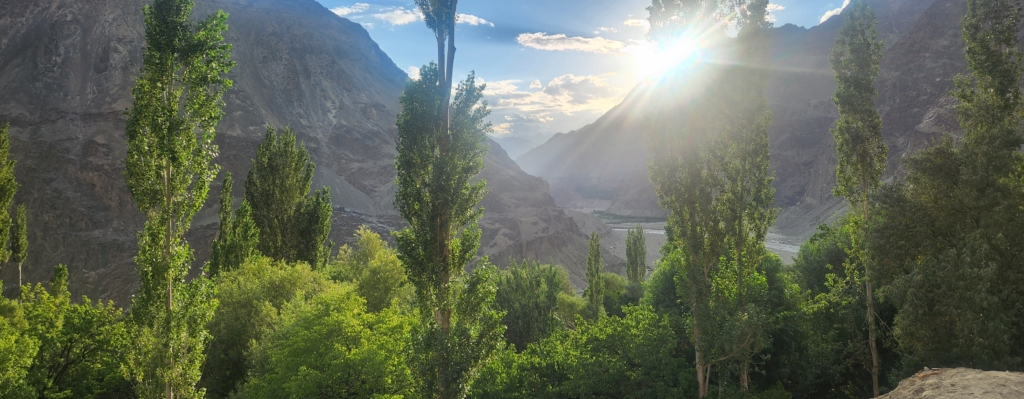
Thang village, the last village along LOC was a short drive away from our resort. As we reached Thang along the LOC, we were captivated by the natural beauty.

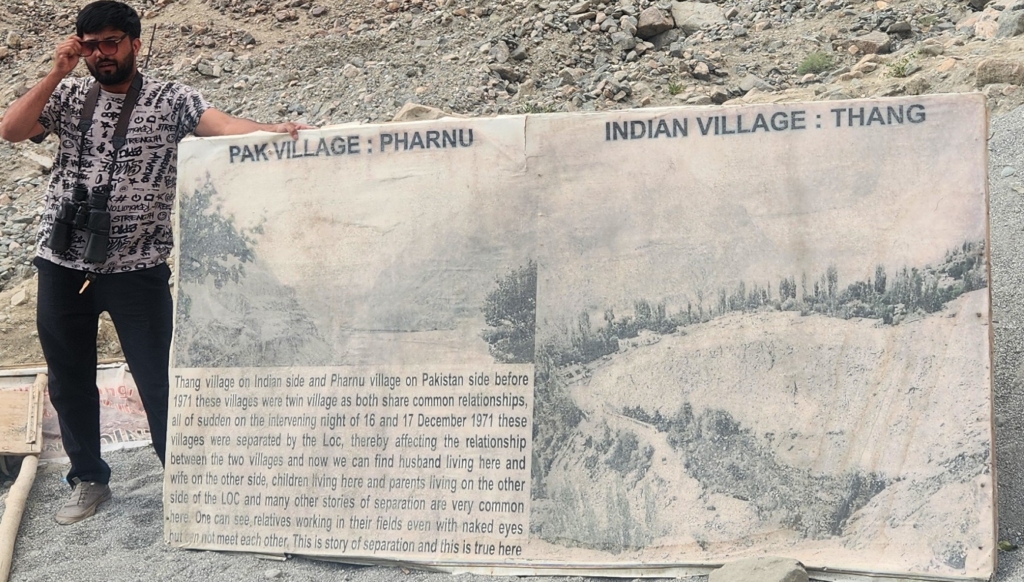
The sign board at the village said that post-independence this region (as part of Gilgit-Baltistan province) was annexed by Pakistan. On December 16, 1971, while the Pakistan army were focused on Bangladesh front, the Indian army recaptured a part of the Gilgit-Baltistan territory along the LOC, mostly mountains of Saltoro range and four small villages in this region. The Indian army first took 18,620 ft. peak overlooking Chalunka and the four villages followed. India continues to retain control over these villages. Today, Thang is the last village along the LOC on Indian side, while Pharnu is the last border village on the Pakistan side of LOC.

A little bit of geo-political synopsis about this area. For India, the gains of holding Saltoro are so apparent and Indian soldiers are also well dug in there in a very commanding position. The Indian Army posts on Saltoro range, give them a commanding position as they can look deep into territory held by Pakistan towards west and north.

You can see a small wall running across the Shyok river banks onto the mountain for some distance, to demarcate the border. We were just few meters away from Pakistan and the area is prone to trespassing, possibly heavily monitored by the armies from both the sides for any infiltration. I am sure many would have tried to cross the boundaries to reunite with the families, some successfully and some would have paid the price with life. The Shyok river eventually merges with Indus across LOC.

Just like Hundarman village, the residents of villages in this newly acquired patch of land became Indian overnight, creating a conundrum for its inhabitants. In just a few hours, loved ones turned into the living dead. The villagers across the borders after initial attempts to reunite have now accepted the change of event as fate for good. The redefined boundaries redefine relationships and one’s allegiance to nation.
These border villages have history which is filled with moments where the civilian voices in a conflict go unheard. Some people have to sacrifice their family lives for nations strategic interests. Back home, I was reading an interesting article in the newspaper, which carried stories of where livelihood had been impacted or family members had to bear the brunt of separation – a villager who had retired from the Pakistani army, demanded pension from the Indian army. He took up the issue with then India’s home minister Shri. L.K. Advani, when he had visited Turtuk. Though he did not receive pension, but his son joined the Indian armed forces against the father’s wishes. Another villager had a story that his aunt was separated from her husband, stuck in Pakistan. She tried many times to get a visa before her tragic death by drowning in the Shyok river. Was it an accident or an act of sorrow? Along with this pain, the villagers harbour a regret that the Indian army did not take over the entire Baltistan that fateful night during the war.
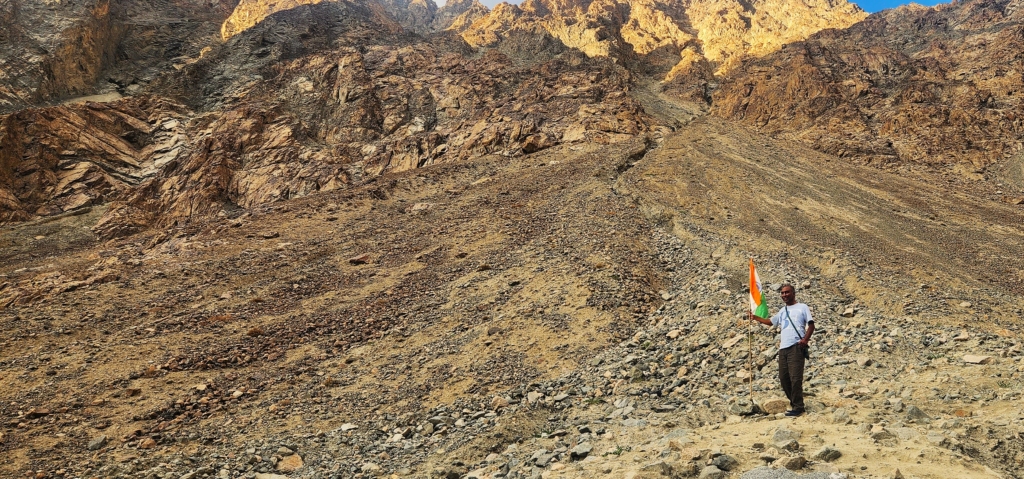
The villagers separated by the LOC make no distinctions. First the families adjusted to the boundaries drawn in 1947 during Independence. These boundaries remained in state of flux for several months as Pakistan changed the boundaries by annexing Gilgit-Baltistan. The families who had accepted their fate over 24 years, had to readjust their lives in 1971.

The shifting boundaries of these regions weave countless stories, eventually shaping the fabric of history. Yet, the truth within these tales often lies at the mercy of the storyteller – some accounts reveal the whole truth, while others only fragments. The true anguish of families living on the borders seldom pierces the veil of mainstream media. At most, their pain is distilled into films for the fleeting amusement of a privileged few, while the deepest, most wrenching stories remain untold. Life along the borders is a relentless dance with unpredictability – harsh, unforgiving, and heartless in its whims. As I spoke to the villagers, I was struck by their warmth and sincerity. Despite their hardships – enduring the ceaseless shifts of territorial lines and braving the punishing winters – they face their trials with quiet resilience, navigating a world that tests them at every turn.
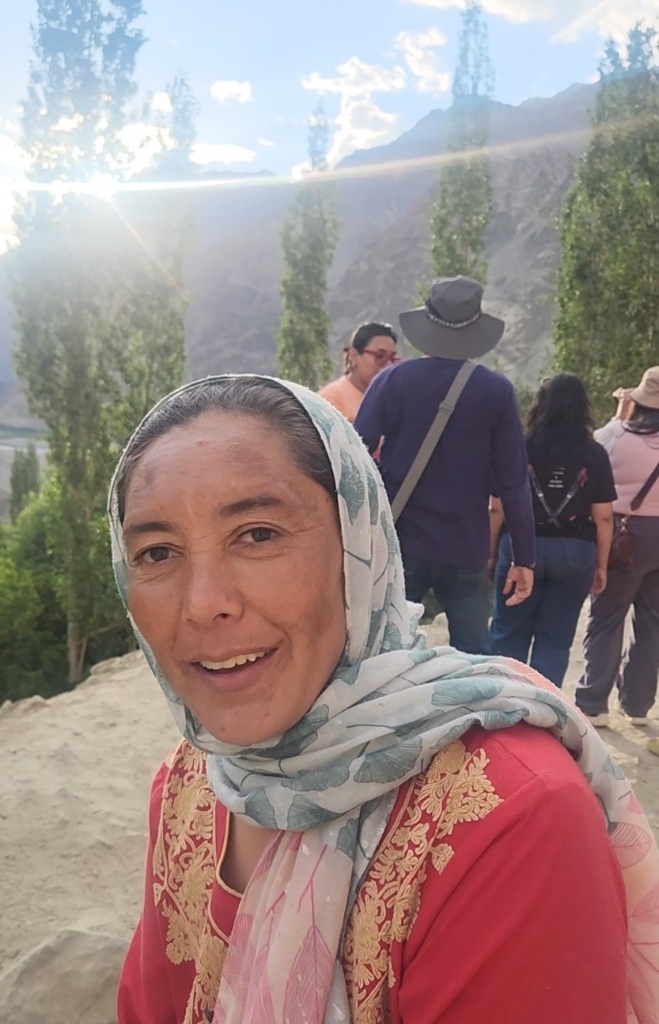
At Thang LOC, the ex-Pakistan villagers, now true-blooded Indians, run small venture were they rent out binoculars to visiting tourists to see the Pakistani army posts across the LOC and explain the history of the region. The young female guide, Shamiya, resident of Thang village, described the strategic contours. She said that to maintain peace on either side of the LOC, India and Pakistan had marked a small portion of land from the LOC as no-man land.
Shamiya pointed to us the army bunkers on the either side of the boundaries. She said that the no-man land on either side has been laid with land mines, to deter civilians from crossing the boundaries. I asked Shamiya, why did the Indian army stopped at Thang and not advance any further. Based on the topography, there did not seem any physical challenge for the army to continue their march forward.
Shamiya said that the Indian army was prepared to launch an attack on Pharnu, however on December 17th, the Pakistan government agreed to a ceasefire and the Indian army held their position back.

Shamiya was very shy and hesitantly agreed to speak to me on camera about her family. At my request, she first spoke in her native Baltic language and translated it back into Hindi.
Tourism spreads culture, tradition and assimilation of people by language. Thang was a living prime example of this assimilation.
The village restaurants had adapted quickly to serve Jain food. Am sure the menu has designed to cater to Gujarati tourists, who travel to far-flung places. I was pleasantly surprised. Shamiya and other villagers had taken up horticulture and selling dried apricots and other local agricultural produce to the tourists visiting the LOC. Although I had already filled my appetite for Apricots, I could not resist her charm. I bought more than what I could carry with me back home. It was starting to get dark so we decided to return back to resort quickly.
The region has gained immense popularity amongst the tourists, although non-Indian citizens are not allowed beyond Tyakshi.
To win the hearts and confidence of the new citizens, Lt Gen Arjun Ray, who was then based in the region, started ‘Operation Sadbhavna’ in 1999, which aimed at reviving a positive civil-military relationship. Under this operation, the army undertook many projects that ranged from building schools, developing infrastructure, to establishing computer and other vocational training centres, programs aimed at women empowerment, medical services and public transportation service. Salute, Indian Army!!!
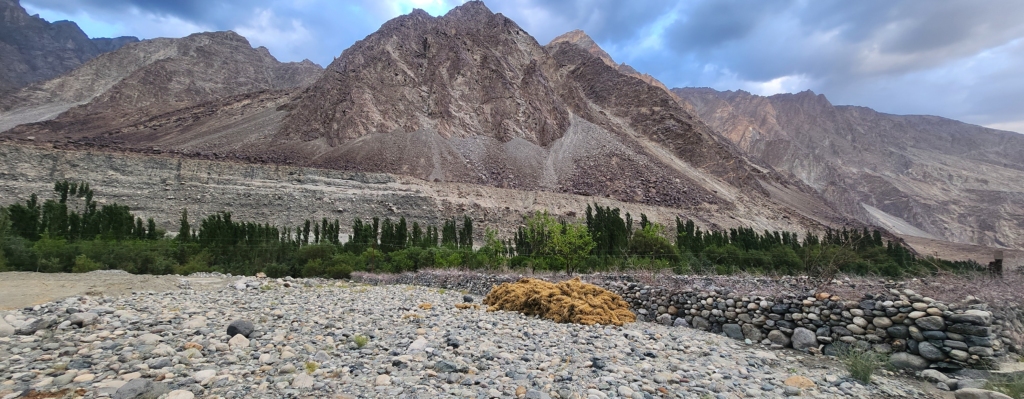

Tyakshi
Next we stopped at a memorial to celebrate the lives of the Indian soldiers who laid their lives at the border.

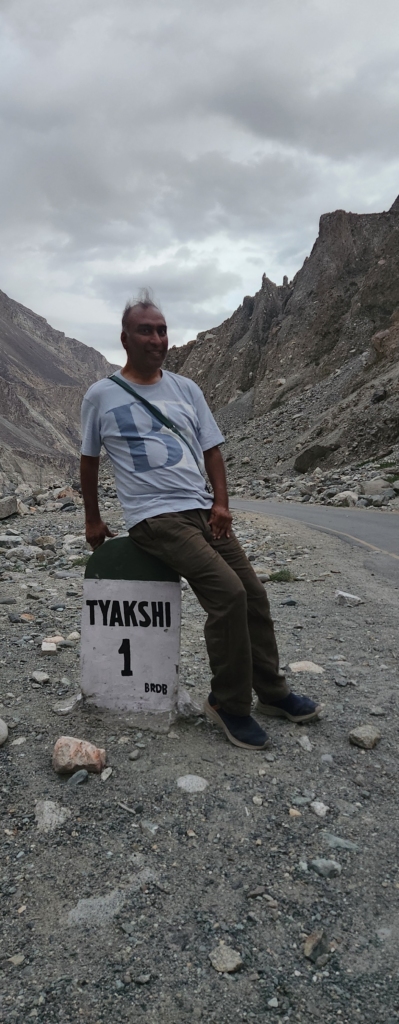
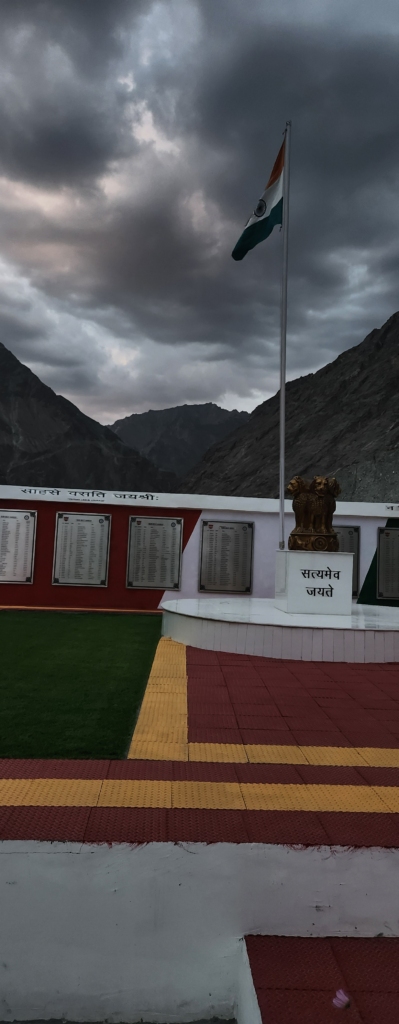
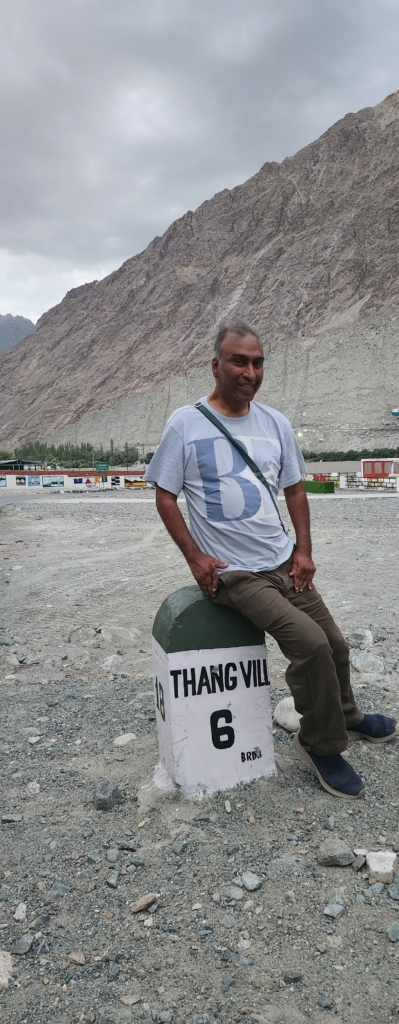
On our way back, Danish wanted to stop at Tyakshi village to offer his evening prayers. As he went inside the village by-lanes, I found myself standing near a bakery. A local bakery always finds me. It was a small bakery operated by the local army unit. It was late evening so most of the products were sold out. There were few plum cakes left, so I bought one.


As I was waiting for Danish return, a local man greeted me and gave a warm hug. He introduced himself as Hason Ali, a local shop-keeper from across the street. I was pleasantly surprised. He said that he has been watching me stand all alone for some time, so he thought he could come over and have small conversation. As he hugged me, I realised he had an amazing toned body. He said that he was not working-out specifically in any gym to build his body muscles but it was an outcome of his daily labour on his farm and lifting his two kids on his shoulders. We spoke about my life back in Mumbai and my travel experience in Ladakh. As we bid good-bye, I handover the plum cake to him for his two kids back at home. He hesitantly took it with all the gratitude a strong man could express.
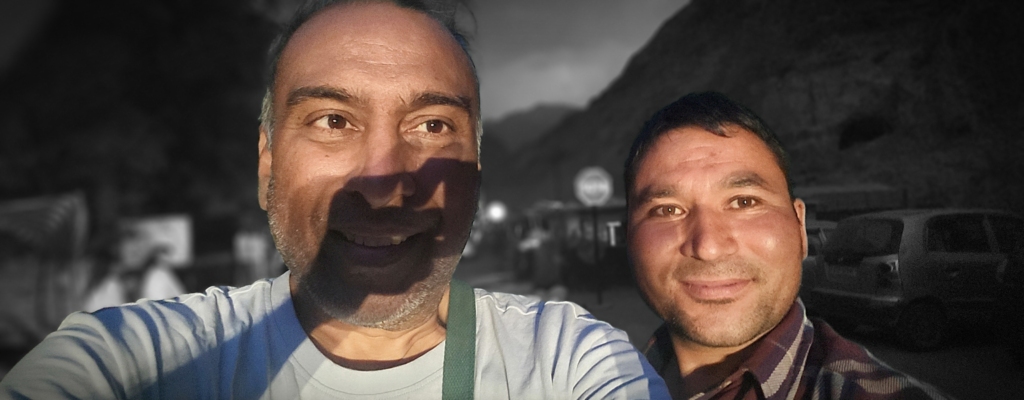


Danish was still not back from his prayers. I found myself standing near a vegetable vendor, who was also busy wrapping up his day. He said that most of the vegetables and fruits came from Leh. There was hardly any local produce except for some rice.
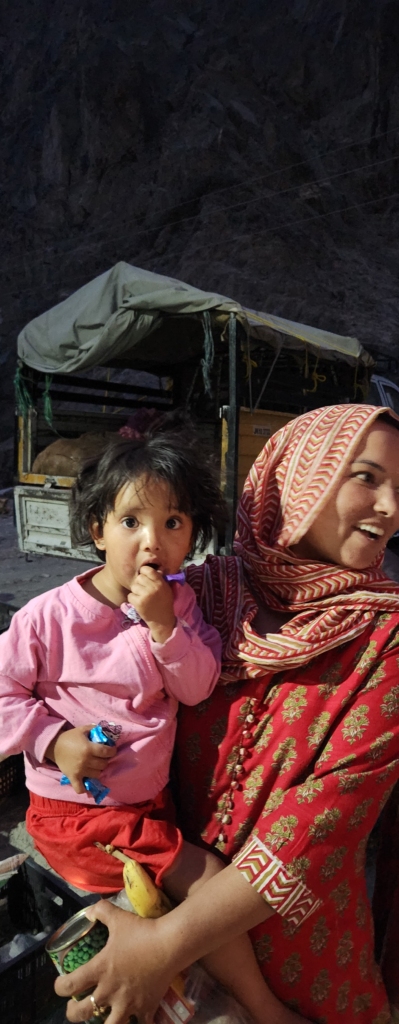
A young lady came along with a small baby girl to purchase vegetables. I could only offer her some sweets which I had in my pockets. Although I offered her if she came with me to the resort, I would offer some more, which she readily accepted. Danish drove us all back to the resort, where I shared some more chocolates to the baby. She was over joyed.
As we were sitting in the verandah waiting for the dinner to be fixed, I noticed that Hason Ali was walking back in the rain. I called him out. He said that the plum cake would not have been sufficient for his large extended family. So he had gone to Turtuk market to buy some more cake. The Turtuk market was atleast 2-3 km. away and Hason Ali had walked all the way up and down. I was totally moved by his love for his family.
The chef had put together simple yet tasteful dinner. We were quite tired for the day so we retired to bed quickly.
If you’re planning a trip to Nubra Valley or explore Ladakh, we at HappyHorizon would be thrilled to curate your holiday plans to enhance your travel experiences. Feel free to reach out to us: connect@happyhorizon.in
Day 5: Turtuk – Read More
Gallery





Sukumar Jain, a Mumbai-based finance professional with global experience, is also a passionate traveler, wildlife enthusiast, and an aficionado of Indian culture. Alongside his career, which includes diverse roles in international banking and finance, he's working on a wildlife coffee table book and enjoys sculpture and pottery. His interests span reading non-fiction to engaging in social and global networking.