

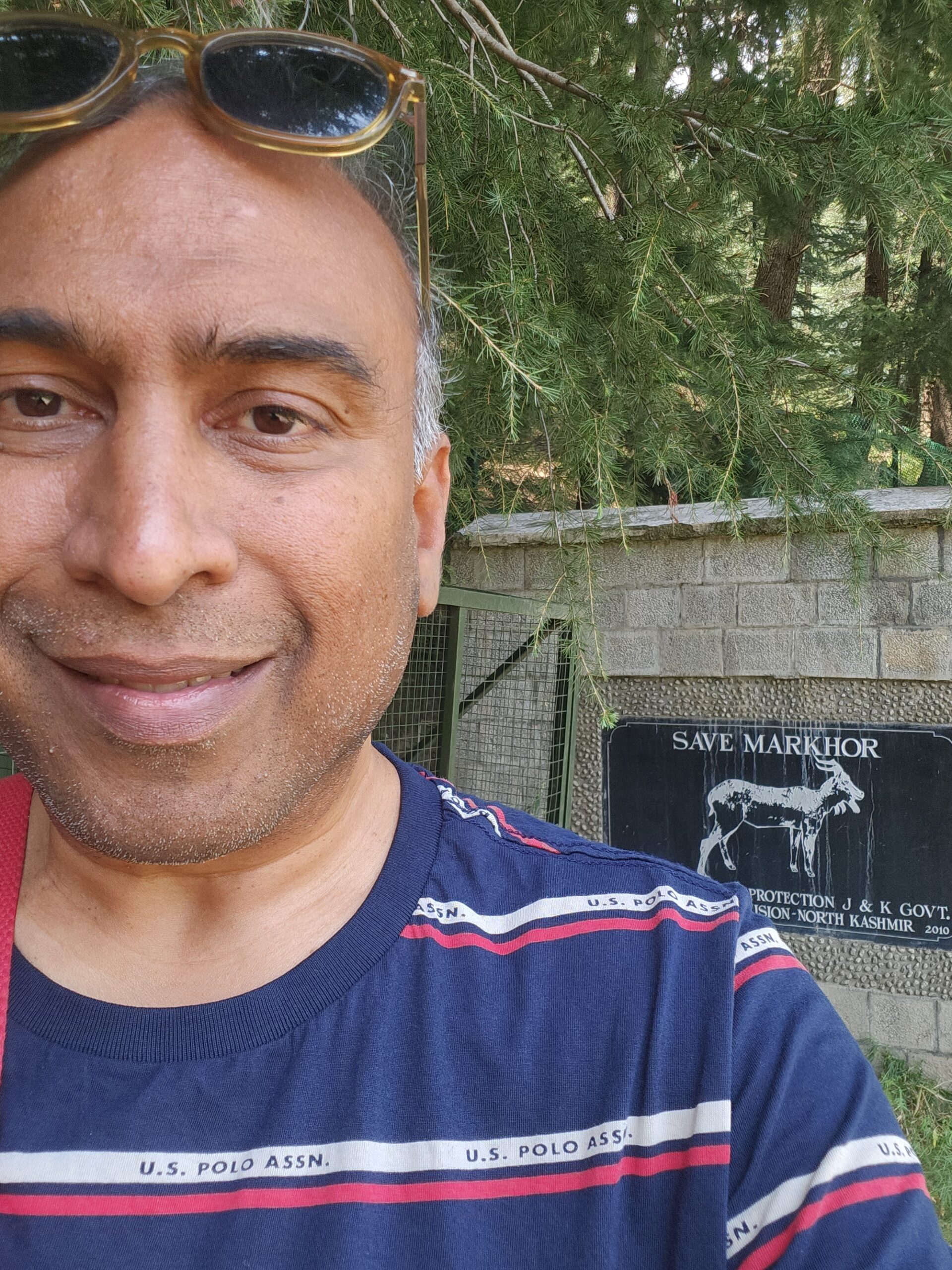

Background
For years, I have been enchanted by adventurous travel stories and breathtaking photographs of Ladakh’s landscapes. The allure of its hidden beauty and romantic charm became impossible to resist. Danish, my newfound friend from my Kashmir adventure last year, graciously agreed to drive me through this stunning region. Here’s the broad travel route we followed:
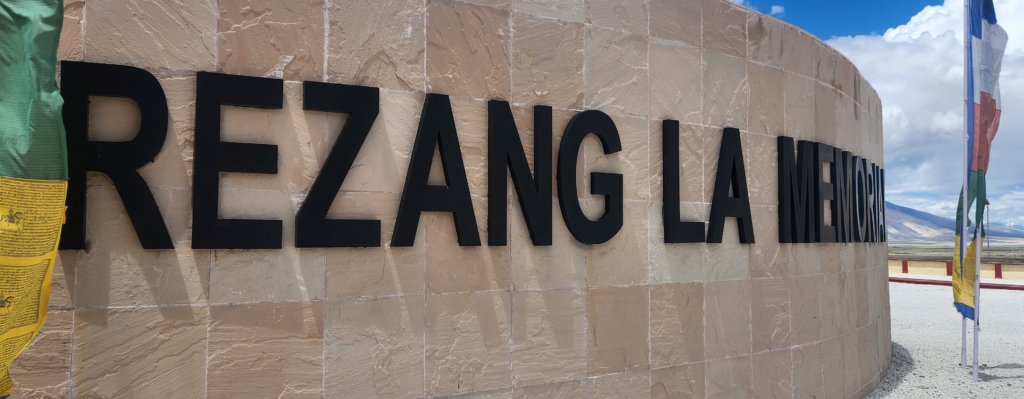
Srinagar – Kargil (via Drass / Kharboo) – Lamayuru (via Batalik) – Leh – Thang / Tyakshi / Turtuk – Siachen – Merak / Pangong Tso (via Leh) – Hanle (via Rezang La) – Umling La – Karzok / Tso Moriri (via Puga) – Tso Kar – Leh
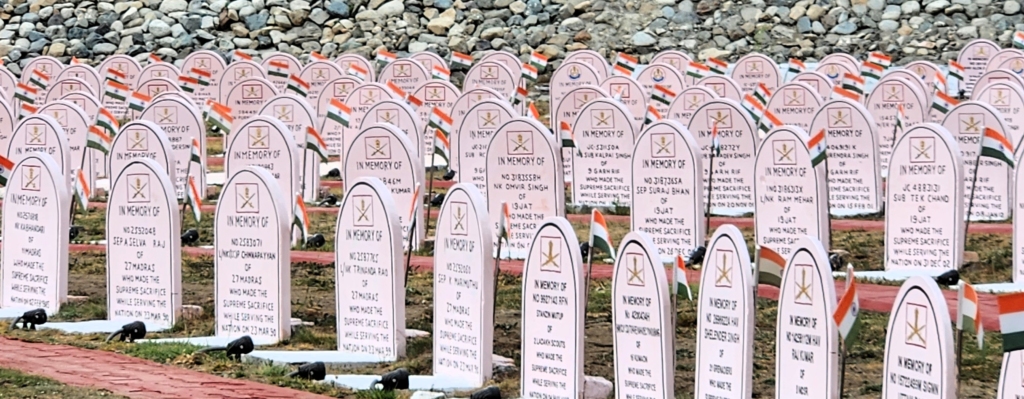
As soon as you enter Ladakh, you are greeted by the magical word – Julley! This welcoming phrase resonates throughout the region, much like how we greet people with “Hello,” “Namaste,” or “Vanakkam”. The innocence and warmth of the locals envelop you with every heartfelt “Julley!” – a sheer magic that lifts your spirit.

“La”
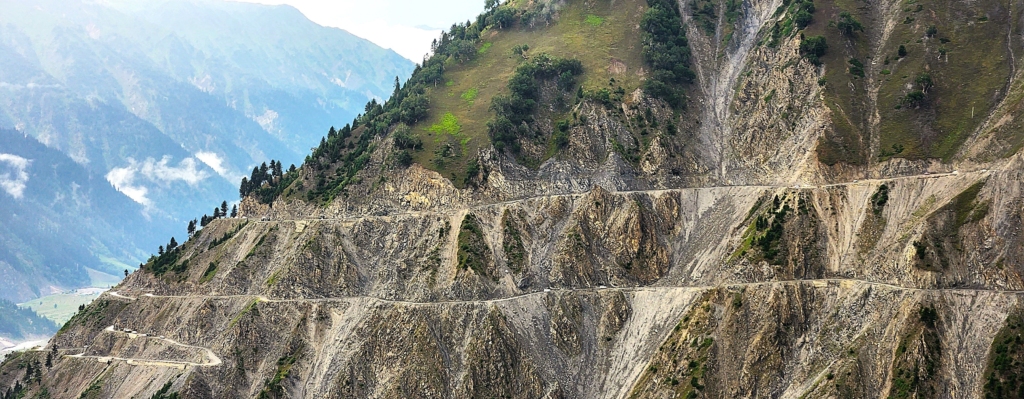
Historically, Ladakh occupied a strategic position on the ancient Silk Road, serving as a vital junction of trading routes amidst the majestic mountain ranges. To the east lies Tibet, to the west Kashmir, to the north Xinjiang, and to the south, mainland India. In the Ladakhi language, “La” means “mountain pass,” and the name Ladakh beautifully translates to “The Land of High Passes”.
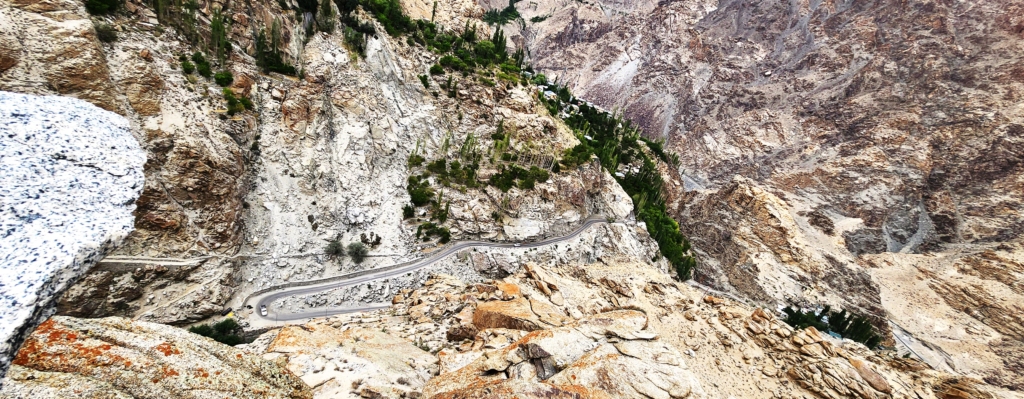
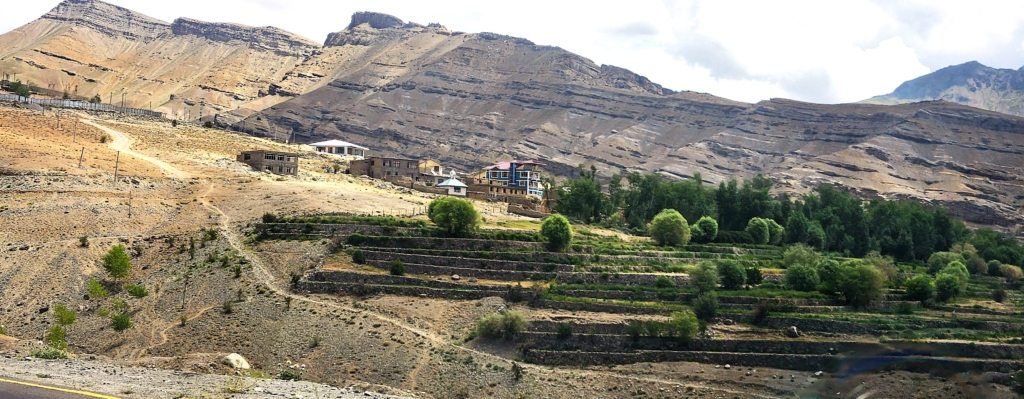
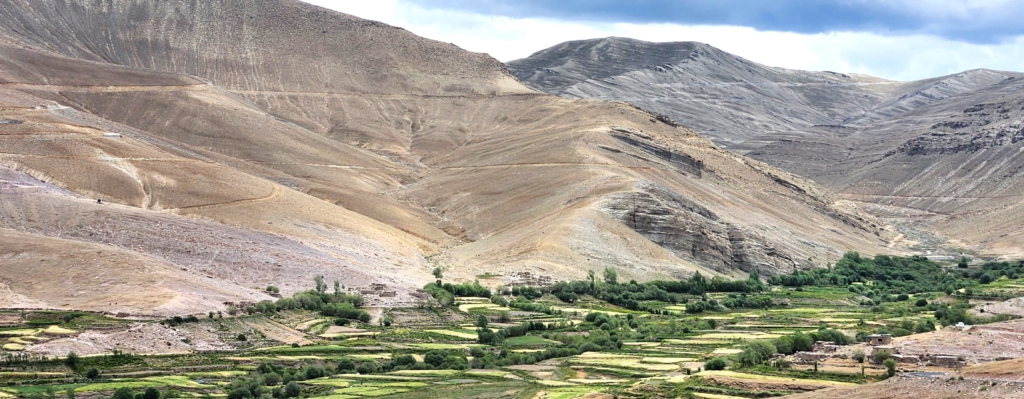
After spending 13 unforgettable days traversing the breathtaking landscapes of Ladakh and crossing several “La(s)”, I’ve come to realize that “La” signifies much more than a mere pass or bridge connecting one place to another. It embodies humanity’s enduring quest to scale heights and explore the mysteries that lie beyond. Driven by a thirst for trade, knowledge, or simple curiosity, people have bravely overcome what once seemed insurmountable natural barriers and hostile climates.

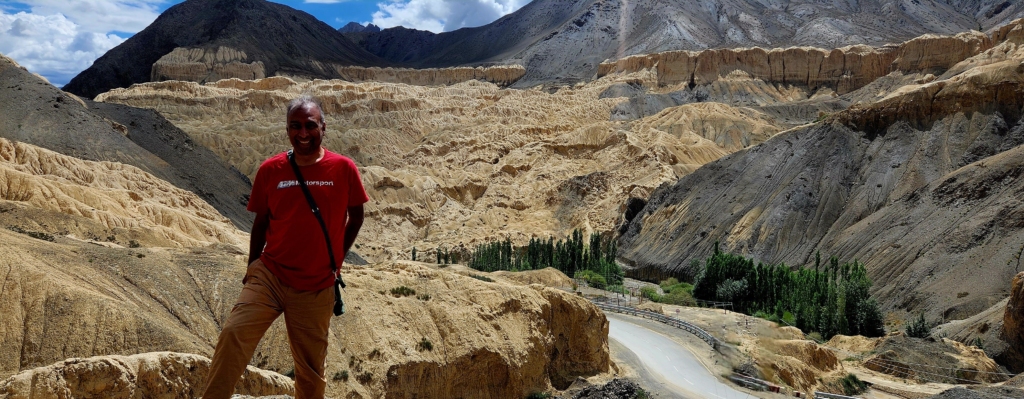
This endeavour often unfolds in phases: first, a small group of intrepid explorers dares to brave the rough and unforgiving terrain. Many may never reach the other side, their stories fading into history – adventures left untold. With time, others, accompanied by sturdy mules, begin to follow these beaten paths to expand trade, while some bring armies to conquer new lands. Regardless of the motive, these “La(s)” have stood the test of time, providing passages that forge new boundaries of love, trade, and, most importantly, cultural exchange.


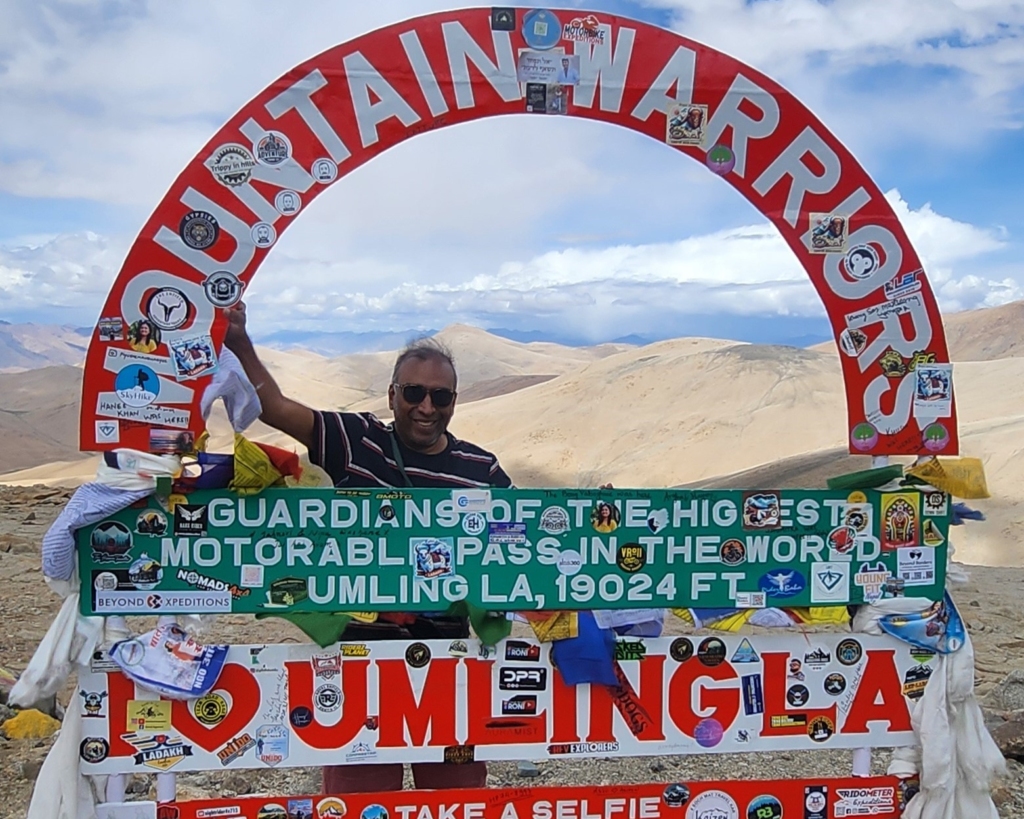
Umling La, soaring at an elevation of 19,024 ft., is touted as the highest motorable road in the world. For motorcycle enthusiasts eager for adventure, this is the ultimate challenge you must conquer! With stunning landscapes and pristine natural beauty, road trips through the “La(s)” of Ladakh promise jaw-dropping vistas and memories that will last a lifetime.

pahaad bhaanp raha tha mire iraade ko
vo is lie bhee ki tesha mujhe uthaana tha
Poet Akhtar Shumar writes: “The mountain was trying to assess my intentions, it’s also because I had to lift the axe”.
The poet’s lines suggest a profound interaction between the speaker (human) and nature. The mountain, often seen as a symbol of strength and permanence, seems to be almost sentient, weighing the speaker’s intentions. The act of lifting the axe adds a layer of tension; it implies a confrontation with nature and perhaps a struggle between destruction and creation. This imagery invites reflections on humanity’s relationship with the natural world – are we merely intruders, or can we coexist harmoniously? What do you think about this dynamic?

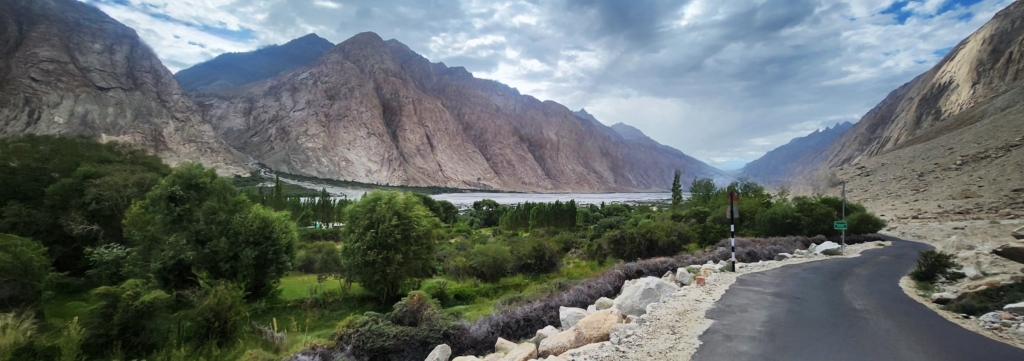
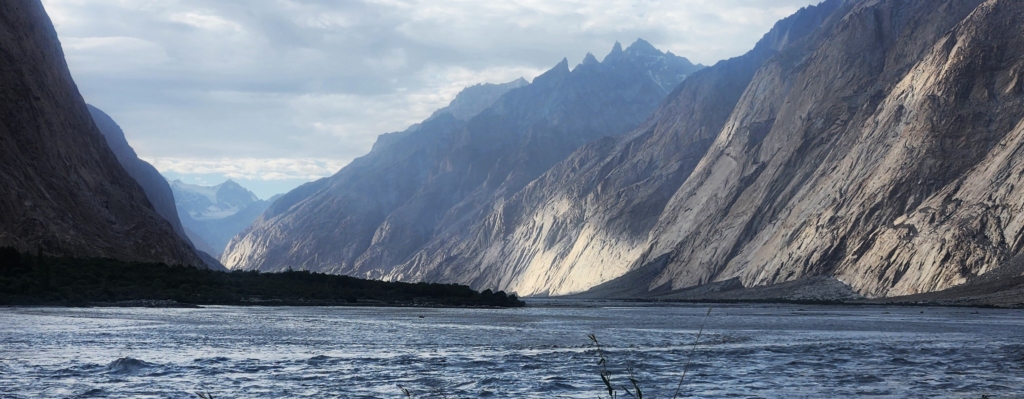
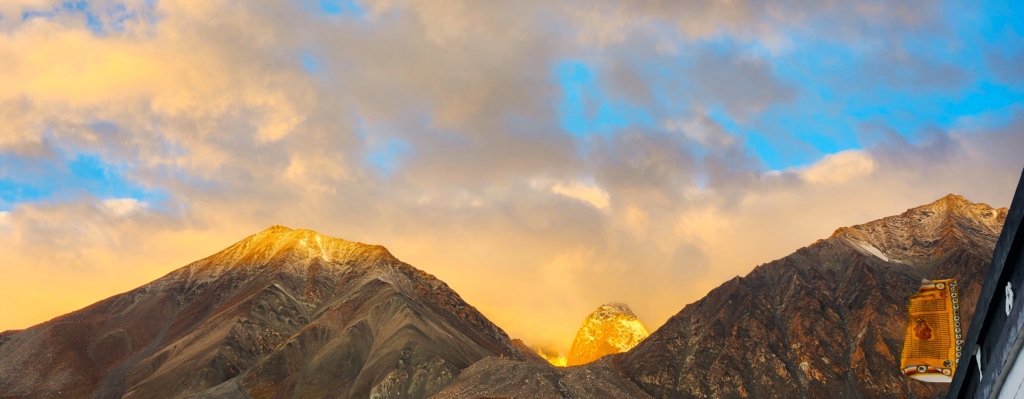
A maze of enormously high snow-capped peaks dominate the terrain where valley heights up to 15,000 ft. and peaks / passes up to 20,000 ft. can be seen all around. Ladakh is also home to the world’s largest glacier outside the polar region – the Siachen.
“Tso”
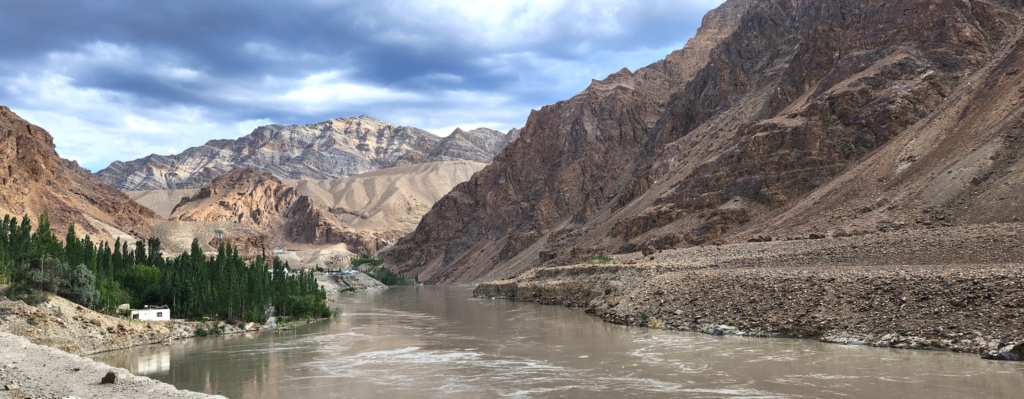
Ladakh was once known as Maryul, meaning “Red Country”, a name that reflects the striking red hues of its mountains and soil. Bordered by the majestic Karakoram range to the north and the towering Himalayas to the south, the great Indus River flows gracefully through this stunning landscape.
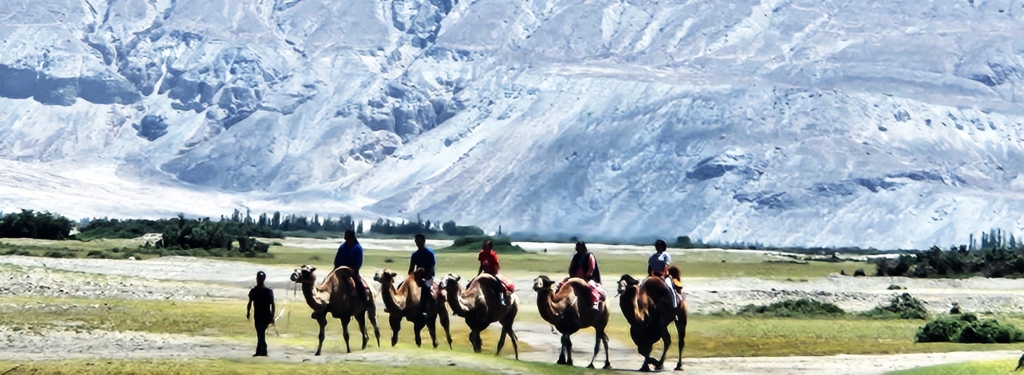
The Himalayan range itself was sculpted by continental drift, a dramatic collision between the Indian and Eurasian plates. In some areas, ancient ocean waters became trapped, forming some of the highest saline lakes in the world. These lakes are not only mesmerizing but are also considered sacred by the locals. In Tibetan, “Tso” translates to “lake”.
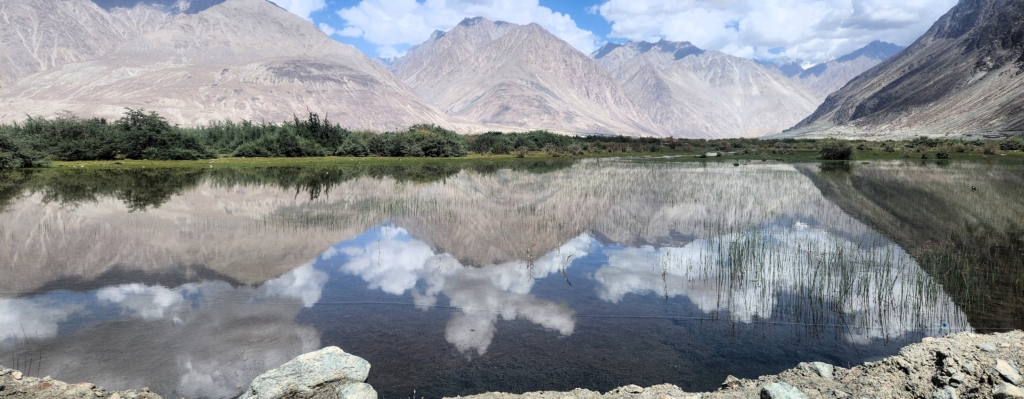
Tso Moriri, nestled among the snow-capped peaks at an altitude of over 15,000 ft., left me breathless with its tranquil azure waters. You truly have to be there to appreciate its beauty.
Culture, Civilization & Gompa’s
As we travelled through Ladakh, we encountered its rich and diverse history. Through various interactions with locals, I take the liberty of weaving together the intricate narrative of Ladakhi culture. The first immigrants to Ladakh are said to be the Brokpas from Dardistan (current region of Gilgit-Baltistan), who settled along the Indus River. Their customs and spiritual practices closely resembled the ancient pre-Buddhist religion known as Bon. Following them were the Mons, who migrated from the Kulu region in Himachal Pradesh. Over time, nomadic Mongols from Central Asia also arrived and settled in the region. These tribes established themselves in various parts of Ladakh.
In the 10th century, the ruler of Tibet, invaded Ladakh, consolidating all these settlements that had long lacked central authority. The flourishing trade ultimately attracted the Dogra invasion, further shaping the unique culture of Ladakhi history. Subsequently Kashmir along with Ladakh came under the British rule.

Over the centuries, the cultural tapestry of the Ladakh region has woven together the threads of various races so profoundly that present-day Ladakhis proudly claim descent from a blended heritage of Mons, Dards, and Mongols. Buddhism journeyed from central India to Tibet via Ladakh, leaving an indelible mark on the landscape. Today, the vibrant influence of Buddhism and Tibetan culture is vividly reflected in Ladakhi festivals, which burst forth with traditional dancing, singing, and colourful masks. Due to Tibetan influence, Ladakh is also known as “Little Tibet”.

Gompas, or monasteries, serve as sacred centres of worship for the Ladakhis. The term “Gompa” translates to “solitary place” in Ladakhi and “meditation place” in Tibetan. Most gompas are perched high on cliffs, overlooking breathtaking vistas, to ensure the monks or lamas have a tranquil space for reflection. The walls of these gompas are adorned with exquisite illustrations of Lord Buddha and his manifestations, each colourful mural telling its own unique story. Within the serene walls of gompas, lamas, carry out their ancient duties, largely oblivious to the world beyond. Ladakh is home to a variety of monasteries; some are renowned centres of learning, while others are smaller and nestled in remote corners.
Alchi Gompa stands as a remarkable example of this rich heritage. This monastery complex showcases beautifully crafted architecture, vibrant paintings, and a profound history. Built around 1,000 to 1,500 years ago, it preserves the traditions and culture of its era. Unlike many famous gompas that soar at high altitudes, Alchi Gompa gracefully sits on the banks of the Indus River, inviting travellers to immerse themselves in its tranquillity. The world-famous Thiksey Monastery, located at an altitude of 11,800 ft. is a 12-storey complex filled with Buddhist art and beautiful wall paintings.

During my travel through Ladakh, I observed three striking traits among the Ladakhis: cheerfulness, honesty, and an unwavering willingness to work. There’s also a unique form of courage here, one that resembles the resilience of a sturdy animal rather than the valour of a warrior. The Ladakhis are healthy, physically robust, and hard-working, renowned for carrying heavy loads across high mountain passes in extreme temperatures.
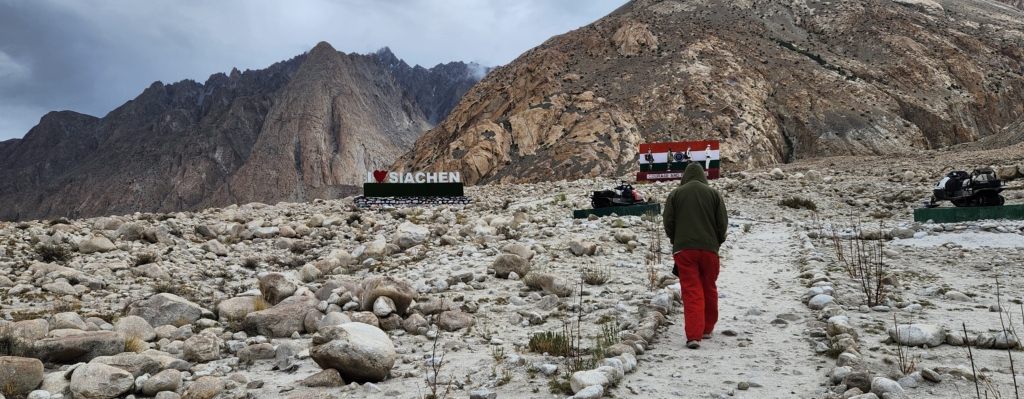
During my stay near Siachen Base Camp, Lotus our homestay host casually recounted his days as a porter, leading treks to Siachen posts upto an altitude of 20,000 ft. in temperatures that plummeted to -50 degrees. His stories exemplified remarkable grit and valour.
It is with great enthusiasm that I share my journey through the enchanting landscapes of Ladakh, where I encountered some of the most charming individuals and experiences filled with unforgettable moments. I hope you enjoy reading about my adventures as much as I relished travelling through this magical land. Ladakh is truly a timeless beauty, captivating with its stunning vistas. So, when it comes time to choose your next travel destination, you’ll know exactly where to go!
Pack your bags and make your move – it just might be a game-changer!
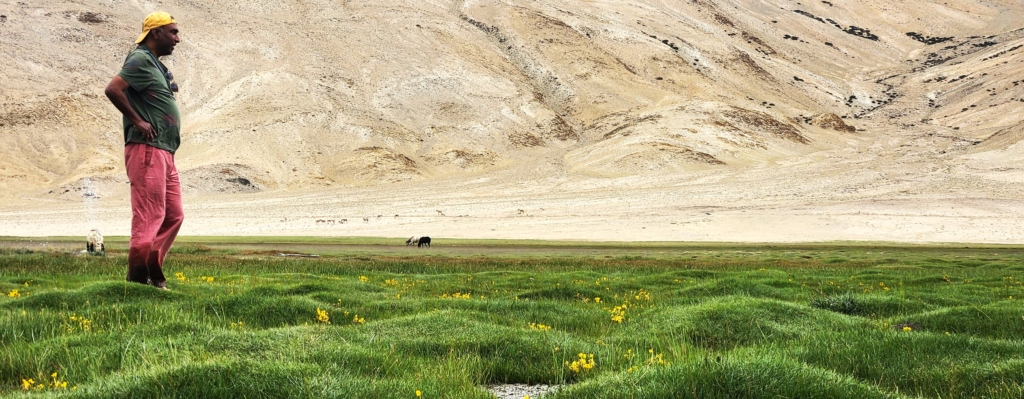
Essential Travel Pro-Tips
Here are some essential travel pro tips for your journey through Ladakh. These insights will help you navigate the region while ensuring a safe and memorable experience:
1. Travel Permits: If you’re planning a trip to Ladakh, don’t forget to pay the Environment Fees. You can easily settle this fee online by selecting the necessary routes; it’s advisable to choose all the locations on the list. My 13-day road trip cost me Rs. 600 per person (for Indian citizens). Keep a hard or soft copy of the receipt handy for random checks. No additional travel permits are required.
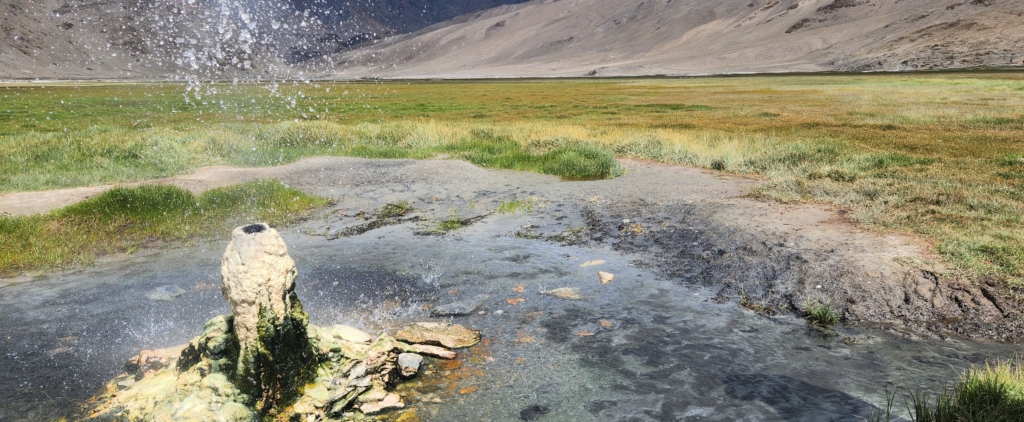
2. Weather Considerations: Ladakh is a land of high altitudes, with motorable destinations soaring up to 19,000 ft. Regardless of how you enter Leh – by road or air – be sure to follow acclimatization and medication guidelines. Consult your physician before your trip to avoid any risky decisions. If in doubt, carry a portable oxygen canister. Exercise extra caution if travelling during the winter, especially during heavy snowfall. Irrespective of the seasons, don’t bet against the nature – don’t take undue risks.
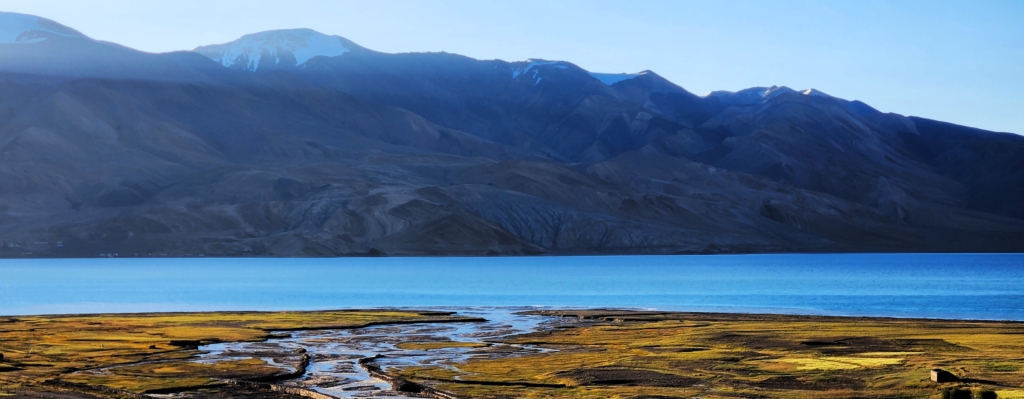
3. Navigation: In offbeat locations, Google Maasi (read as Maps) may not always be reliable. Aim to reach your homestay during daylight hours. Always have a backup route ready in case your preferred path becomes inaccessible. The distances between destinations can be daunting, so plan your road trip with plenty of rest and a couple of buffer days. Be mindful of your fuel requirements, as some areas lack fuel stations.
4. Taxi Regulations: Government regulations prohibit J&K (or other State’s) number plate taxis from operating in Ladakh.
5. Homestays: Most homestays in these serene destinations are nestled in picturesque surroundings and offer basic yet self-sufficient facilities. Some locations in Ladakh, like Karzok, still lack Wi-Fi/data networks; however, things are evolving rapidly.
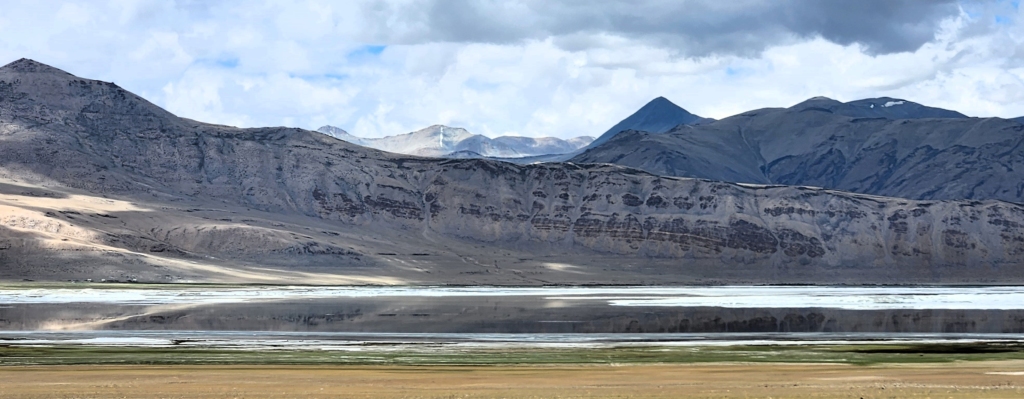
Most importantly, travel responsibly – do not litter. Reuse – Recycle – Restore
If you cherish and protect the local environment, not only will you be able to revisit the beautiful Tso(s) and La(s), but you’ll also contribute to preserving the rich local culture and traditions that have withstood the test of time.
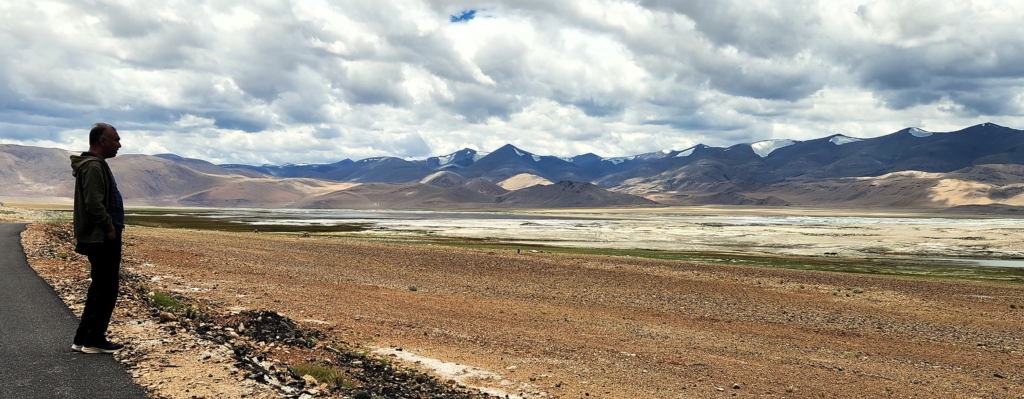
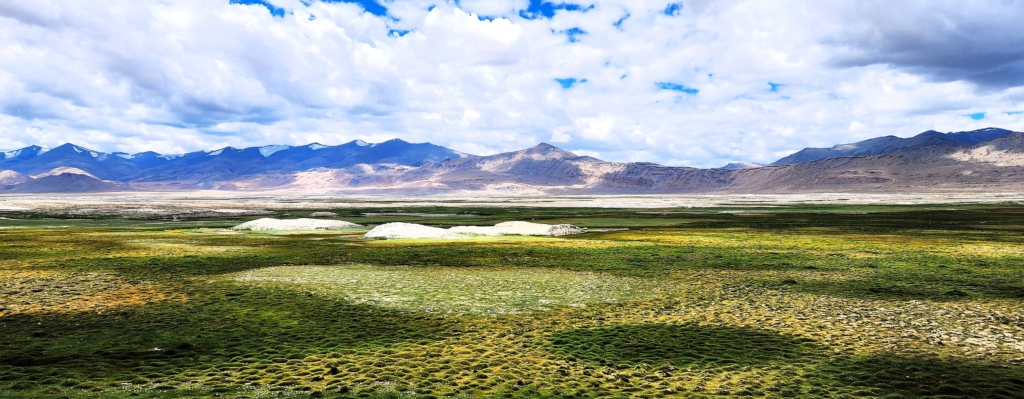
Ladakh is a paradise; it deserves to be treated as such!
dekho kab tak baaqee hain
dariya jangal aur pahaad
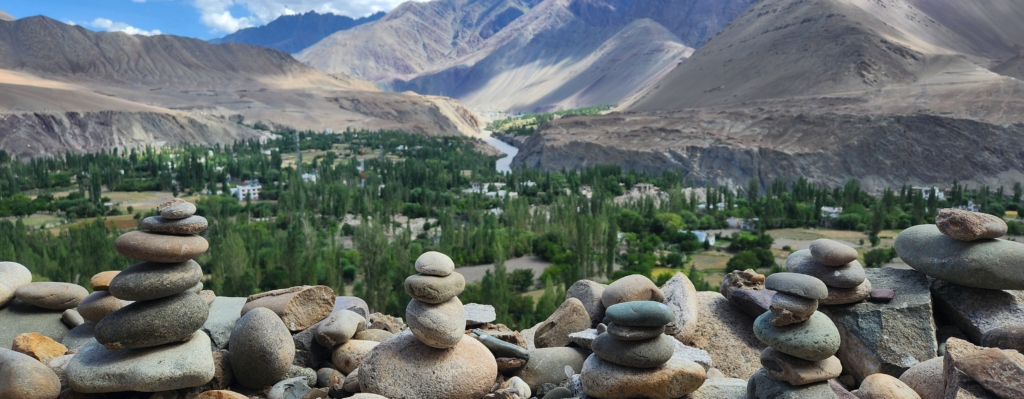
In English, it translates to: “Let’s see how long the rivers, forests, and mountains will remain”. Mujafar Hanif’s lines rightly reflects a poetic contemplation on the endurance of nature in the face of change, particularly human impact. These words convey a subtle yet powerful message about the fragile state of natural landscapes and their uncertain future. They hint at the looming concerns over environmental degradation and challenge us to think about how much longer these wonders of nature will endure amidst development and exploitation. It’s a call to cherish, protect, and be mindful of the natural world.

August 2024
If you’re planning a trip to explore Ladakh, we at HappyHorizon would be thrilled to curate your holiday plans to enhance your travel experiences. Feel free to reach out to us: connect@happyhorizon.in
Sukumar Jain, a Mumbai-based finance professional with global experience, is also a passionate traveler, wildlife enthusiast, and an aficionado of Indian culture. Alongside his career, which includes diverse roles in international banking and finance, he's working on a wildlife coffee table book and enjoys sculpture and pottery. His interests span reading non-fiction to engaging in social and global networking.

